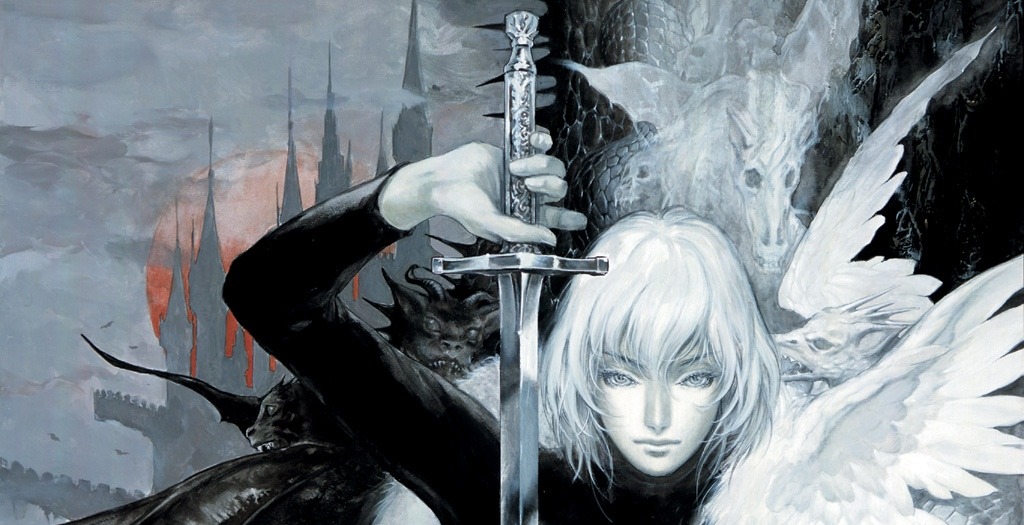
Castlevania: Aria of Sorrow stands as a monumental achievement in the action-platformer genre, serving as the third and final installment of the series on the Game Boy Advance. Developed and published by Konami, this title arrived in North America on May 6, 2003, to critical acclaim. While it draws heavily from the legendary "Metroidvania" formula perfected in Symphony of the Night, it introduces futuristic elements and innovative mechanics that set it apart from its medieval predecessors.
A Modern Twist on a Classic Legend
Departing from the traditional gothic horror settings of previous entries, Castlevania: Aria of Sorrow takes players into the year 2035. The story follows Soma Cruz, a teenager who finds himself drawn into Dracula's world during a mysterious eclipse. Unlike the classic Belmont lineage, Soma is a character granted occult powers due to his potential status as the vessel for Dracula's reincarnation. As he navigates the re-materialized castle, he must battle dark figures intent on seizing the power of the undead lord.
This shift to a more modern setting provides a refreshing change of pace for the franchise, offering a storyline filled with twists that challenge long-time fans' expectations. Despite the new era, the game maintains the atmospheric tension and exploration-heavy gameplay that defines the series.
Innovative Gameplay and the Tactical Soul System
At its core, the game is an exploration-driven action RPG. Players traverse a massive, ever-growing castle, unlocking new areas by acquiring specific abilities and navigating complex maps. The gameplay loop focuses on room-to-room exploration, finding hidden items, and engaging in combat to progress through the labyrinthine halls.
One of the most significant innovations in this title is the "Tactical Soul" system. This mechanic allows Soma to randomly collect the souls of defeated enemies, granting him their unique powers. These souls are categorized into three types:
- Guardian Souls: Defensive or utility-based abilities.
- Bullet Souls: Ranged attacks and projectile-based magic.
- Enchant Souls: Buffs that augment Soma's existing stats or properties.
Additionally, the game features "Ability Souls"—often identified by their black color—which are typically obtained after defeating bosses or discovering secrets. These provide permanent upgrades, such as the ability to double jump or breathe underwater, offering a deep level of customization and rewarding completionist players.
Key Features and Experience
Castlevania: Aria of Sorrow offers a rich experience for both newcomers and veterans of the franchise. Notable features include:
- RPG Progression: Enemies possess HP and grant experience points, allowing Soma to level up and grow significantly stronger over time.
- Diverse Arsenal: While whips remain central, the game includes swords, maces, and even the subtle inclusion of guns.
- Exceptional Audio: A beautifully crafted soundtrack composed by Michiru Yamane, alongside Takashi Yoshida and Soshiro Hokkai, enhances the atmospheric journey.
- Replayability: The game features multiple endings, encouraging players to explore every corner of the castle and experiment with different soul combinations.
Whether you are a fan of the classic side-scrolling action found in Super Metroid or an RPG enthusiast looking for deep character customization, this title delivers. Available on the Game Boy Advance (and via re-releases such as the Wii U Virtual Console), it remains a high point of the era, boasting a Metacritic score of 91.00 and a reputation as one of the finest entries in the entire Castlevania lineage.