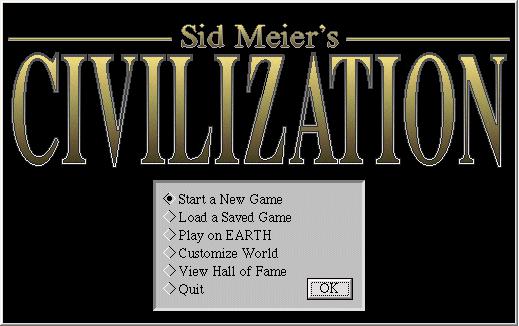
Sid Meier's Civilization is the pioneering title in a legendary series of turn-based strategy games. Created by Sid Meier and Bruce Shelley for MicroProse in 1991, this "4X" game challenges players to build an empire to stand the test of time. The franchise has evolved significantly over decades, with the latest entry, Civilization VII, launching in early 2025 to introduce major mechanical shifts and address community feedback regarding the core experience.
Genre and Gameplay Mechanics
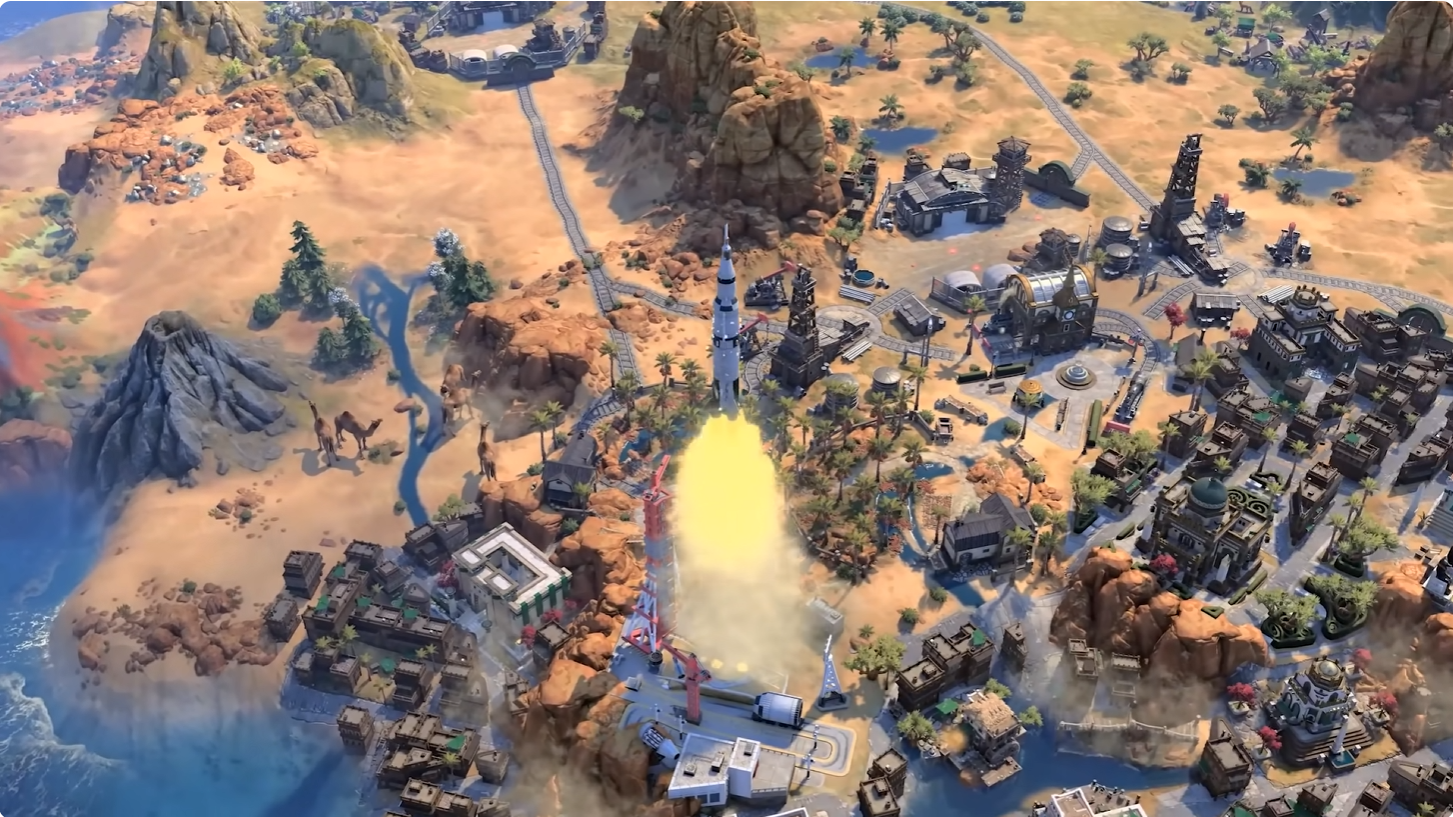
Civilization is a turn-based 4X strategy game focused on empire expansion, development, and management. Players guide a civilization from 4000 BC through the ages, making critical decisions regarding technology, diplomacy, warfare, and city planning. The gameplay emphasizes long-term strategic planning, as players attempt to expand and develop their empires from the ancient era into modern and near-future times. Recent iterations have enhanced this foundation with systems like the Crisis mechanic, which adds epic variety to the ages, and navigable rivers that deepen naval gameplay and realism. The interface and city planning require careful consideration, as players must balance resource management with territorial growth to achieve victory.
Story and Setting
The narrative of Civilization is emergent, generated by the player's choices as they traverse distinct historical epochs. The setting spans millennia, beginning in 4000 BC and progressing through ages that introduce specific goals and challenges. Each age brings new dynamics, such as military legacy points that encourage strategic city acquisition to secure advantages. The game features an Exploration age where players uncover new continents and encounter other civilizations, supported by narrative events that present interesting decisions to shape the course of history. The environment includes detailed terrain and maps that influence movement and settlement strategies.
Notable Features in Civilization VII
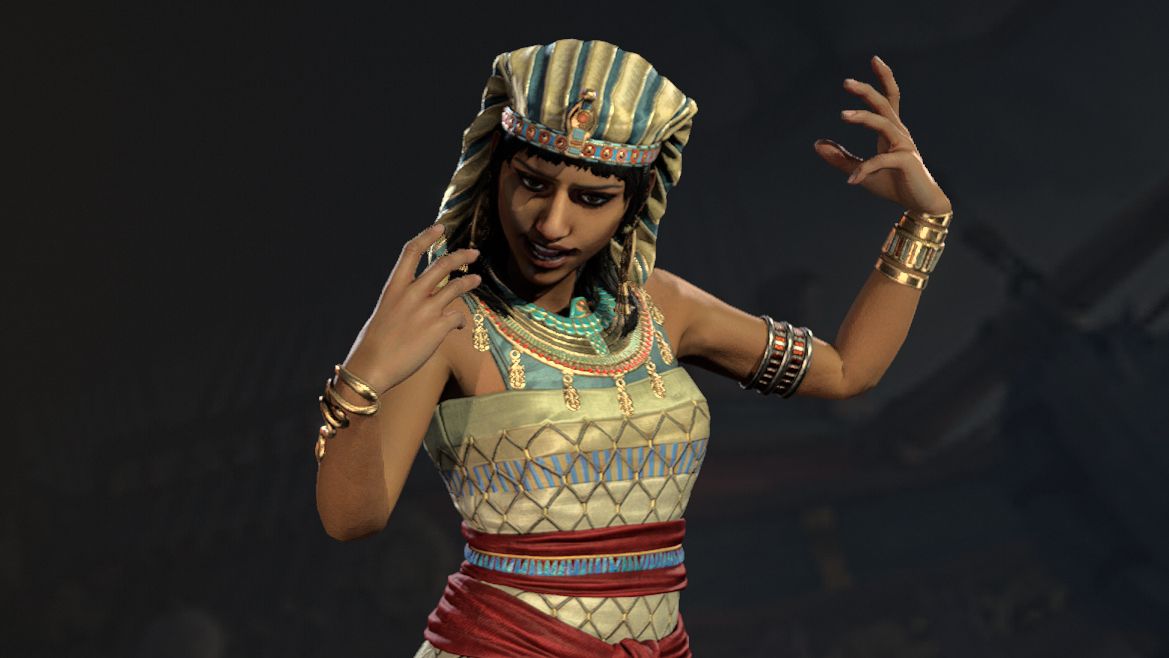
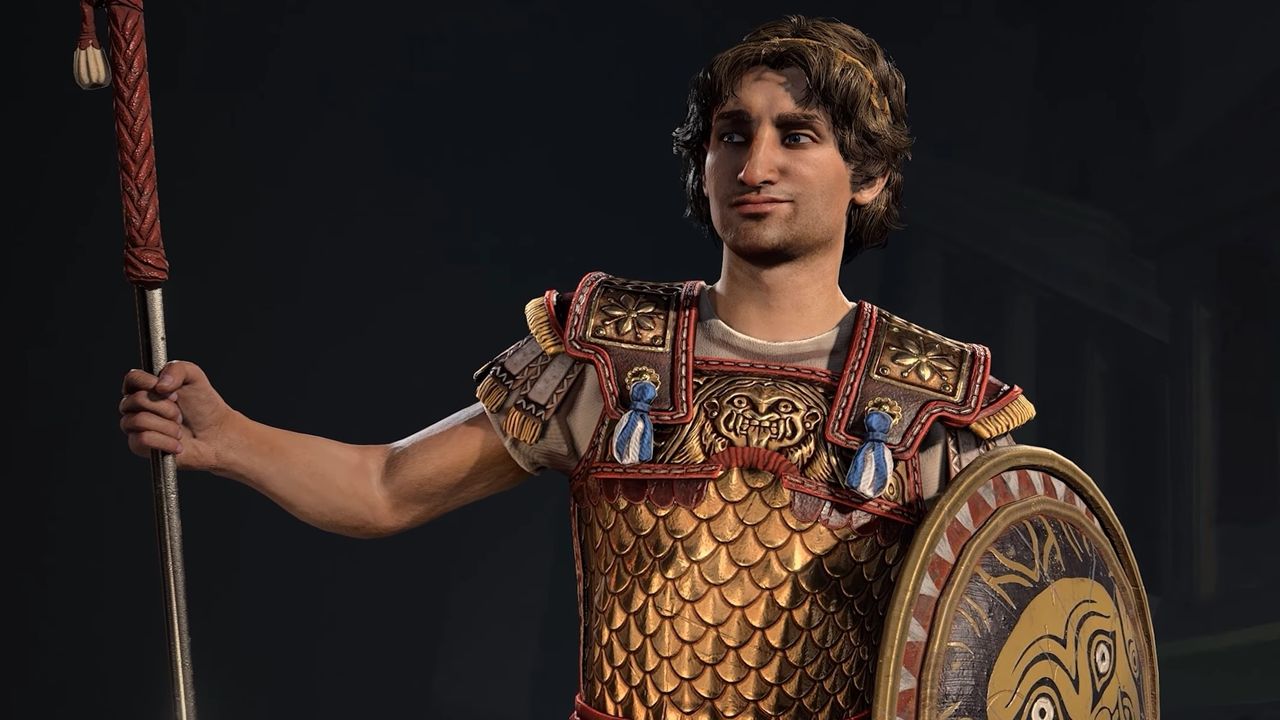
The latest installment brings significant updates and new mechanics to the series. A key addition is the ability to switch civilizations during Age Transitions, allowing players to experience different playstyles and unique units as they progress through history. In response to community requests, the "Time-Tested" feature allows players to take one civilization through an entire campaign, preserving the classic franchise experience. Notable features include:
- Syncretism Mechanic: Enables players to create new builds by adopting the Unique Units or Infrastructure from another civilization currently in its Apex Age.
- Affirmation Mechanic: Allows players to double down on their civilization's unique strengths.
- Fractal Continent Map: A new map generation system providing diverse and dynamic terrain.
- Reworked Victory Systems: Diverse paths to victory that reward strategic choices.
- Advisor Council: A new system for managing guidance and resources.
- Enhanced Exploration: Disappearing tiles and improved naval movement make discovery more engaging.
Platform Availability
Civilization has a rich history of platform support across multiple generations of hardware. Originally developed for MS-DOS, the series has been available on a wide array of systems. Current and past platforms include PC (Windows), PlayStation, Super NES, Classic Macintosh, Commodore/Amiga, Atari ST, Sega Saturn, and N-Gage. The latest game and its updates are available on PC, consoles, and other platforms.
Who It Appeals To
This series appeals to strategy enthusiasts and fans of deep, long-form gameplay. Players who enjoy managing complex systems, making diplomatic decisions, and watching their empire grow from antiquity to the near future will find the game rewarding. The inclusion of diverse victory paths, the choice to play as a single civilization or switch between them, and the focus on naval and exploration mechanics cater to both veterans of the series and newcomers looking for a polished strategic experience.