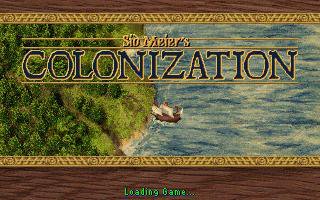
Released in 1994, Sid Meier's Colonization is a definitive turn-based 4X strategy game that offers a laser-focused experience for fans of the genre. Unlike many modern 4X titles that can feel meandering or bogged down by complex diplomacy and "dead turns," this classic title focuses intently on the core pillars of exploration, combat, and settlement management. Players are tasked with managing the cross-Atlantic expansion of an established European power, navigating the complexities of resource extraction, trade, and eventual revolution.
Master the Art of Colonial Expansion
In Sid Meier's Colonization, players choose to represent one of four imperial European nations: England, France, Spain, or the Americas (the Netherlands). Each nation possesses distinct abilities designed to favor different strategic approaches. The game is set against a historical backdrop spanning from 1492 to 1850, placing you at the heart of the colonization of the New World.
The gameplay mechanics revolve around managing individual units rather than just abstract nation-wide decisions. You begin your journey in 1492 with a single ship and two units arriving in the unknown. As you move through the fog of war, the map is revealed, allowing you to encounter indigenous populations, establish settlements, and build essential infrastructure like roads and fields. The game offers both a historical map of America and randomly generated maps, along with a scenario editor for custom gameplay.
Strategic Resource Management and Unit Assignment
A standout feature of the game is its granular approach to population management. You are not just managing a civilization; you are controlling a nation of individual colonists, each with specific roles such as scouts, carpenters, blacksmiths, weavers, priests, teachers, and soldiers. Success depends on your ability to recruit and assign these individuals to the tasks they are best suited for to maximize efficiency.
The economic loop is deeply interconnected with the environment:
- Exploration & Extraction: Identify resource-rich tiles, such as forests for lumber or mountains for ore.
- Production Chains: Move units like ore miners and blacksmiths to transform raw materials into valuable commodities. For example, you might mine metal to create tools, which are then used to produce muskets.
- Global Trade: Use your ships to return to Europe, where you can sell processed goods—like cloth or cigars—at a significant profit and purchase much-needed supplies or new immigrants.
The Path to Independence
While the early game focuses on building self-sufficient colonies, the ultimate goal is far more challenging. As your colonies grow in strength and independence, your relationship with your home country shifts from beneficial to harmful. To achieve victory, you must eventually declare independence and successfully defeat the Royal Expeditionary Force in battle.
Game Features at a Glance
- Focused 4X Gameplay: Avoids the "meandering" pitfalls of modern strategy games by focusing on exploration, building, and combat.
- Deep Economic Systems: Complex production chains involving raw materials, processed goods, and international trade.
- Individualized Units: Manage a diverse workforce of specialists including carpenters, weavers, and soldiers.
- Multiple Map Options: Play on a historical American map or explore randomly generated New World landscapes.
- Platform Availability: Originally released for MS-DOS, with subsequent ports available for Windows, Mac, and Amiga.
This title is ideal for strategy enthusiasts looking for a high-stakes management experience that rewards meticulous planning, efficient resource allocation, and tactical combat prowess.