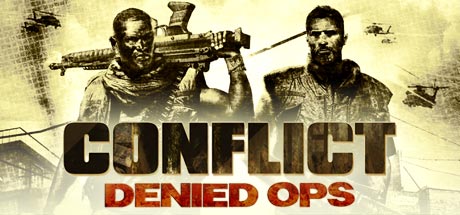
Conflict: Denied Ops represents a significant evolution for its long-running franchise. Developed by Pivotal Games and published by Eidos Interactive, this fifth installment marks a definitive departure from the third-person tactical squad management that defined previous entries, pivoting instead into a high-octane first-person shooter (FPS) format. The game focuses on intense combat and environmental destruction, aiming to deliver a visceral experience through specialized combat roles.
A High-Stakes Mission in Venezuela
The narrative of Conflict: Denied Ops is set against the backdrop of a fictionalized civil war in Venezuela. Following a brutal military coup that overthrew the existing government, the nation has been plunged into chaos. As various factions struggle to reinstate democracy, a new regime has emerged, threatening to deploy nuclear weapons should the United States attempt to intervene in Venezuelan affairs.
To neutralize this threat without sparking a global nuclear conflict, the CIA’s Special Activities Division is deployed. Operating under a veil of absolute secrecy, these operatives are "deniable"; if captured, any connection to the U.S. government will be officially disavowed. Players step into the boots of two specific CIA operatives tasked with taking down General Ramirez and dismantling his growing threat across ten mission-based stages.
Mastering Two-Man Tactics
Unlike previous titles in the series that featured a four-man squad, this entry focuses on the dynamic between just two characters: Lincoln Graves and Reggie Lang. The gameplay is built around "Two-Man Tactics," which allows players to switch between perspectives at any time to maximize control over the battlefield. This seamless switching allows players to leverage the unique strengths of each operative:
- Lincoln Graves: A stealthy sniper focused on precision and long-range engagement.
- Reggie Lang: A heavy gunner equipped with a machine gun for suppressing fire.
While the transition to first-person gameplay changes the tactical landscape, players can still issue basic commands to their partner. You can direct your teammate to rally to your position, move to a specific location, or provide cover fire by targeting an enemy. However, the game places a heavy emphasis on player intervention; without active commands, the AI partner may struggle to follow effectively, often requiring the player to manually direct them through tight corridors and intense firefights.
The weaponry in this title is fixed to each character's specific role, meaning players cannot switch weapons between Graves and Lang. While agents can receive certain upgrades and attachments as they progress, the core identity of each operative remains constant throughout the campaign.
Notable Features
- Cooperative Play: A primary feature of the game, allowing players to team up via LAN or the internet to battle through the campaign or tackle individual levels with friends.
- Environmental Interaction: The gameplay utilizes explosive barrels and destructible elements within the environment to add chaos to combat encounters.
- Arcade-Style Action: A fast-paced experience that prioritizes rapid-fire shooting and heavy action over complex squad management.
Conflict: Denied Ops is best suited for players looking for a straightforward, arcade-style shooter that emphasizes cooperative play. It appeals to those who enjoy high-intensity combat and are looking for a "switch off" experience where the focus remains on teamwork and explosive results rather than deep tactical simulation.