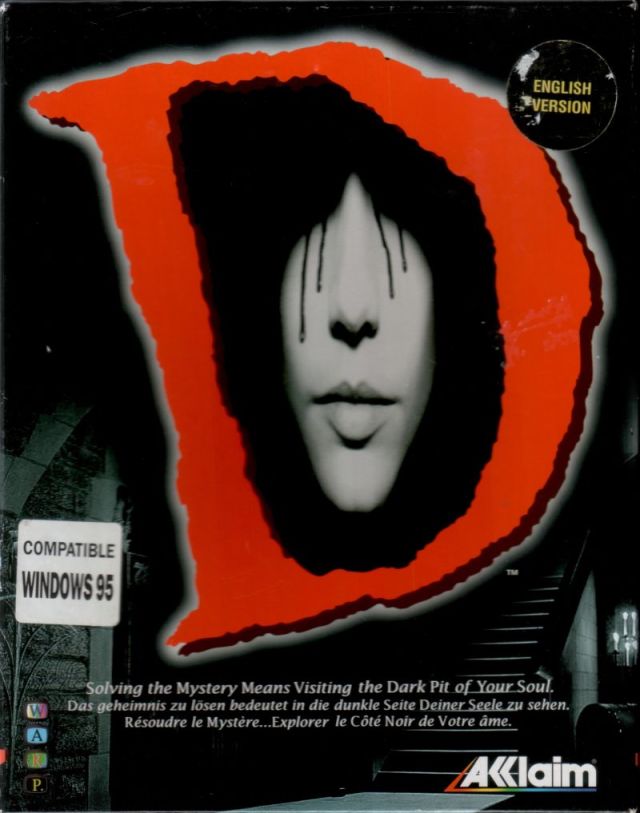
Released on March 30, 1996, and now accessible through modern preservation efforts by Nightdive Studios and Throwback Entertainment, D: The Game stands as a distinctive entry in the adventure and puzzle genres. Originally crafted by the experimental Japanese studio WARP, this title offers a unique blend of atmospheric storytelling and exploration-based gameplay. It remains a notable piece of gaming history, recognized for its cinematic presentation and unconventional approach to horror during an era when interactive media was rapidly evolving.
Story and Setting Overview
The narrative unfolds in the dead of night in 1997 Los Angeles, beginning with a harrowing mass murder at a general hospital on the city's outskirts. The perpetrator, hospital director Dr. Richter Harris, has barricaded himself inside and taken numerous patients hostage, leaving law enforcement powerless to intervene. His daughter, Laura Harris, learns of the crisis and travels alone from San Francisco to the tragic scene. Upon entering the hospital, she witnesses the aftermath of the massacre, only to be drawn into a shimmering disturbance that transports her to a completely different location. Laura awakens inside a dimly lit, stone-walled manor, surrounded by a dining room table and multiple doors leading to various wings. Guided by the disembodied voice of her father, who pleads with her to leave, she must nevertheless press forward to unravel the mystery, save her parent, and escape the surreal environment herself.
Gameplay Mechanics and Genre in D: The Game
Categorically a blend of adventure and puzzle elements, the title prioritizes exploration, environmental interaction, and narrative progression. Rather than focusing on combat or reflex-based challenges, the experience revolves around navigating shifting spaces, deciphering environmental cues, and piecing together the unfolding mystery. The game is widely recognized as a technically impressive and uniquely designed cinematic production, utilizing its medium to build tension through atmosphere rather than traditional horror tropes. While it shares thematic ground with later survival horror titles, its core loop remains firmly rooted in point-and-click exploration, item management, and logical deduction. The pacing is deliberate, encouraging players to absorb the unsettling ambiance and methodically work through each room and corridor.
Platform Availability and Notable Features
Today, the game is accessible on PC, Linux, and Classic Macintosh systems, allowing a wide range of players to experience this landmark release. Several defining features set it apart from its contemporaries:
- A pioneering cinematic presentation that utilizes full-motion video and atmospheric sound design to immerse players in its eerie world.
- An experimental structure that defies strict genre classification, blending adventure exploration with psychological horror elements.
- Highly detailed environments that shift in tone and layout, requiring careful observation and patience to progress.
- A legacy tied to WARP, a studio known for pushing interactive entertainment boundaries during the mid-1990s.
Who It Appeals To
This experience is best suited for players who appreciate classic adventure titles, intricate puzzle design, and atmospheric horror. Fans of experimental games, those interested in the evolution of cinematic gaming, and veterans of the genre will find particular value in its historical context and deliberate pacing. It is not aimed at those seeking fast-paced action or linear, straightforward narratives, but rather at enthusiasts who enjoy uncovering secrets, interpreting environmental clues, and experiencing a carefully crafted, mood-driven journey. Whether approached as a nostalgic retrospective or a fresh entry into vintage adventure gaming, it offers a distinct and memorable experience for the right audience.