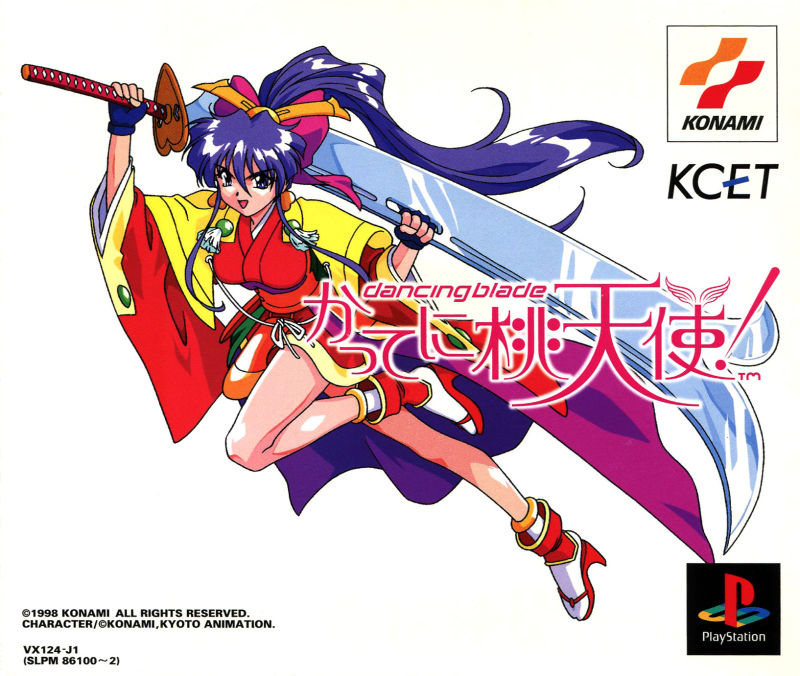
Dancing Blade Katteni Momotenshi II: Tears of Eden (known in Japanese as Dancing Blade かってに桃天使 II -Tears of Eden- and literally translated as Dancing Blade: Capricious Momotenshi II - Tears of Eden) is a title developed and published by Konami. Released exclusively in Japan in 1999, this game serves as the sequel to the original Dancing Blade entry. It offers a narrative-focused experience that blends adventure gameplay with visual novel elements, allowing players to continue the story of the Momotenshi series. The game stands as a distinct artifact of the late 90s Japanese gaming landscape, delivering a continuation that expands upon the franchise's established lore.
Genre and Gameplay Mechanics
The game is classified as an Adventure title, though it incorporates strong visual novel characteristics. This hybrid approach suggests a gameplay loop centered on story progression, character interaction, and exploration rather than action-oriented mechanics. As a sequel, it builds upon the foundation established by the first game, providing a continuation for those invested in the franchise. Players engage with the narrative through a mix of visual storytelling and adventure-style interactions, a format that was prevalent in Japanese gaming during the late 1990s. The gameplay allows fans to immerse themselves in the world created by the development team, making choices that drive the story forward.
Story and Setting Overview
While specific plot details require playing the game, the full title Dancing Blade Katteni Momotenshi II: Tears of Eden indicates a narrative that delves into emotional or dramatic themes, as suggested by the "Tears of Eden" subtitle. The game acts as a direct follow-up to the first installment, expanding on the established world and characters. The literal translation of the Japanese title includes "Capricious Momotenshi," hinting at character-driven dynamics and personality-focused storytelling. For fans of the series, this entry is essential for understanding the complete arc of the Momotenshi saga. The story continues the journey initiated in the predecessor, maintaining the thematic consistency of the franchise while introducing new developments.
Platform Availability for Dancing Blade Katteni Momotenshi II: Tears of Eden
One of the defining aspects of this release is its availability across multiple platforms during a competitive era. The game was developed for both the PlayStation and the Sega Dreamcast, reflecting Konami's strategy to reach audiences on different hardware systems. The release date is recorded as September 30, 1999, for the Japanese market. It is important to note that the game was released in Japan only. This regional exclusivity makes it a distinct artifact for collectors and enthusiasts interested in the localization history of the late 90s. The dual-platform support highlights the game's significance during the transition period of the console wars.
Notable Features
- Developer Legacy: Produced by Konami, the title benefits from the studio's reputation for creating engaging narrative-driven games and its expertise in the adventure genre.
- Multi-Platform Support: Available on PlayStation and Sega Dreamcast, ensuring broader accessibility within the Japanese market across different user bases.
- Sequel Content: As the second game in the series, it offers a direct continuation that rewards familiarity with the first title and expands the Momotenshi narrative.
- Japan-Exclusive Release: Released solely in Japan, contributing to its status as a regional specialty title and a point of interest for collectors of unlocalized games.
Who It Appeals To
This game appeals primarily to dedicated fans of the Dancing Blade series and those interested in Konami's catalog of adventure and visual novel titles. It is also of significant interest to collectors of Japan-only releases from the PlayStation and Dreamcast eras. Players who enjoy the narrative depth and style of late-90s Japanese adventure games will find this sequel to be a valuable addition to their understanding of the franchise. Additionally, enthusiasts of gaming history may appreciate the game for its role in the platform wars of the era and its status as an unlocalized release that preserves the cultural context of its time.