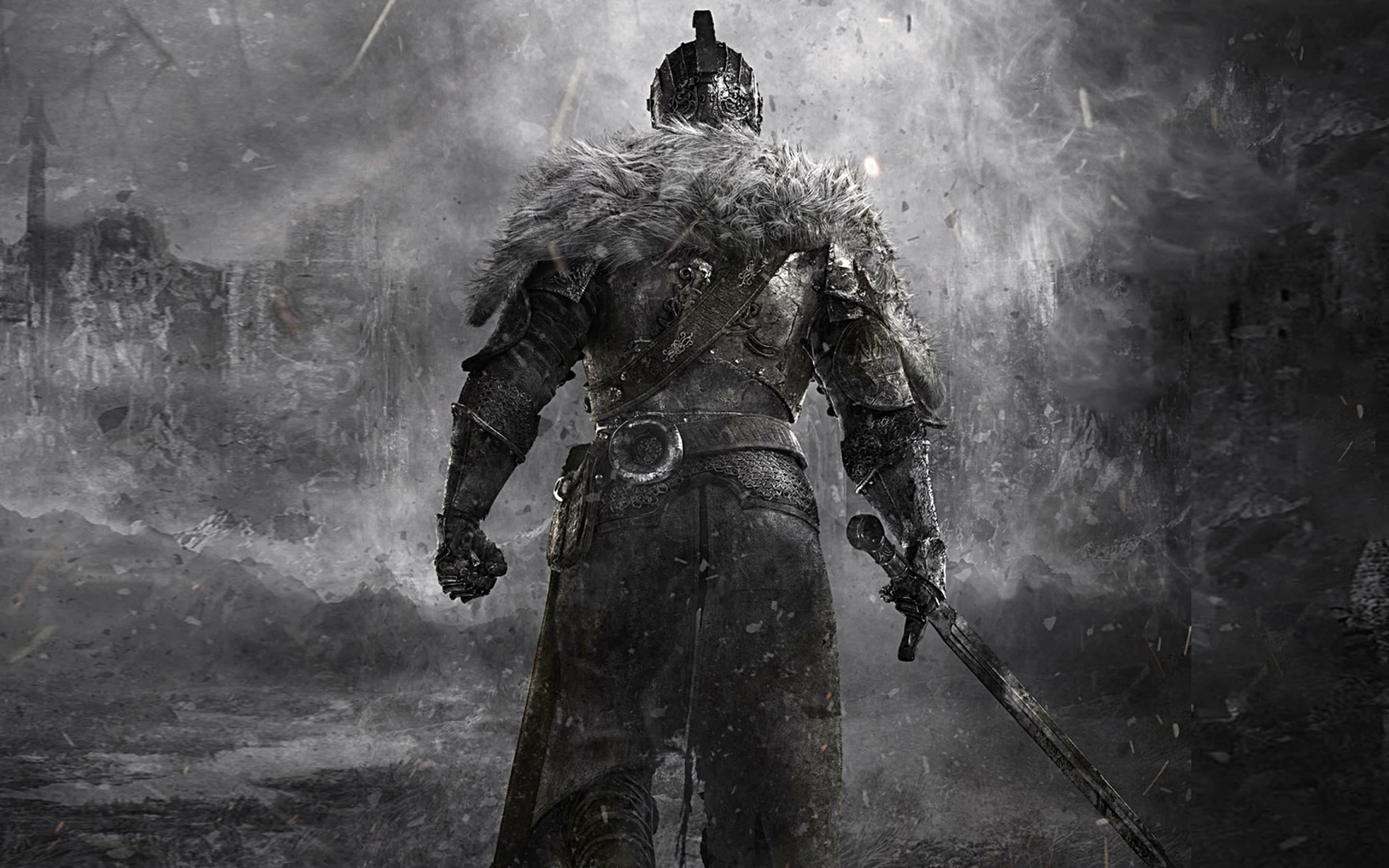
Dark Souls II is the much-anticipated third installment in the legendary Souls series, bringing its signature brand of punishing difficulty and deep exploration to a massive, interconnected world. While Hidetaka Miyazaki moved into a supervisory role for this entry, directors Tomohiro Shibuya and Yui Tanimura have maintained the core DNA that defines the genre. The result is an action RPG that feels like playing with a familiar mitt, even as the rules of the sport undergo significant tweaks. It remains an exceptional, demanding, and ultimately rewarding experience that stands as a must-play for any fan of the franchise.
A Challenging New Era in Drangelic
Set within the sprawling kingdom of Drangelic, Dark Souls II offers a journey through diverse and breathtaking environments. Players will traverse everything from crumbling seaside kingdoms and poison-filled marshes to the terrifying depths of what feels like hell itself. While some critics have noted a lack of geographic cohesion compared to the original's Lordran, the sheer variety of locales—including notable areas like Drangleic Castle and Earthen Peak—provides an incredible sense of discovery.
The game’s world is designed for non-linear exploration. If a particular route or boss proves too daunting, players can often find alternative paths, such as descending a well to find a tomb or heading toward the Shaded Woods to level up before returning to a difficult encounter. This freedom makes the massive, 60-hour journey feel like a true test of persistence and adaptation.
Refined Mechanics and Brutal Stakes
While the core combat loop of blocking, rolling, parrying, and managing stamina remains intact, Dark Souls II introduces significant mechanical shifts. The importance of the stamina bar is more pronounced than ever; exhausting your resources mid-combat is almost certainly a death sentence. Furthermore, the introduction of "Vigor" as a key skill alongside Vitality and Endurance requires players to be much more strategic with their stat allocations. Notably, rolling no longer provides the same level of invulnerability frames, making precise timing even more critical.
The game also introduces several "quality of life" improvements that make it more accessible to newcomers, such as:
- Majula: A central hub town that serves as a home base for NPCs and vendors.
- Streamlined Systems: Improved clarity regarding covenants and bonfire fast travel.
- Enhanced Progression: A more transparent approach to how various mechanics interact with the player.
However, with these improvements comes new, harder challenges. The game features a punishing death penalty where player maximum HP can decrease upon death, a mechanic that can only be mitigated using rare Human Effigies. Additionally, while boss battles may occasionally focus on managing multiple enemies at once rather than a single titan, the sheer number of "gank" encounters and environmental traps ensures the difficulty remains legendary.
Who Should Play Dark Souls II?
This title is tailor-made for players who crave high-stakes gameplay and the sense of achievement that comes from overcoming near-impossible odds. If you enjoy deep RPG systems, character customization through varied weapons, armor, and spells, and a world that rewards curiosity, Dark Souls II will provide countless hours of engagement. It is an ideal pick for "grizzled veterans" of the genre and those looking for a punishingly beautiful adventure where no death is ever in vain.
Platform Availability: PC, Xbox One, PlayStation 4, Xbox 360, and PlayStation 3.