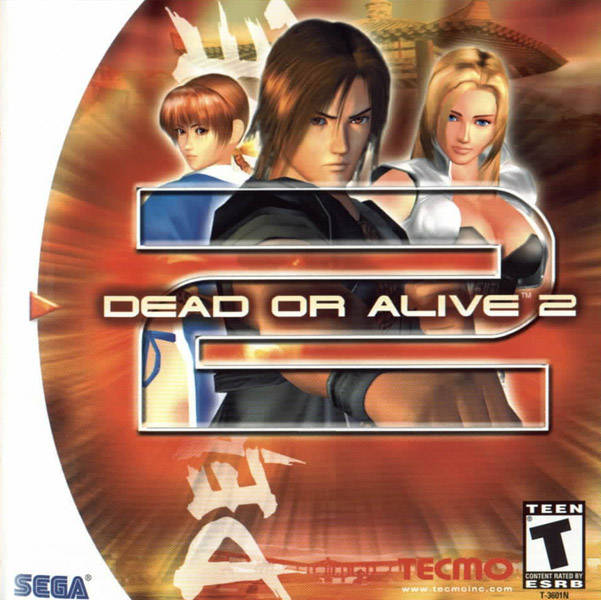
Master the Art of the Counter in Dead or Alive 2
A definitive moment in the fighting game genre, Dead or Alive 2 serves as a high-octane sequel that expanded the boundaries of its predecessor with stunning technical advancements. Developed by Team Ninja and published by Tecmo, the title originally made its debut in arcades in 1999 before making waves on home consoles. Known for its polished combat and visually arresting environments, this installment solidified the series' reputation as a heavy hitter alongside industry titans like Tekken and Soul Calibur.
Revolutionary Gameplay and Multi-Tiered Environments
At its core, Dead or Alive 2 features a gameplay system that is simple to pick up yet offers immense depth for competitive players. The defining mechanic of the series—the reversal system—is central to every encounter. Skilled fighters can utilize directional motions combined with the "free" button to catch and reverse an opponent's strikes, throws, or offensive holds, turning an enemy's aggression against them.
The gameplay experience is further enhanced by several notable features:
- Tag Battle Mode: A strategic addition allowing players to swap characters mid-combo. By tagging a second fighter into the fray at the precise moment, players can juggle opponents in mid-air, maintaining devastating pressure. and Dynamic Stages: Utilizing the Sega NAOMI arcade hardware, the game introduced multi-tiered environments. Battles are not confined to flat planes; players can launch opponents through stained-glass windows or off high ledges, continuing the fight floors below.
- Expanded Roster: The game features a diverse cast of fighters, ranging from massive, wrestler-style characters like Bass to sleek, agile combatants like Tina.
Stunning Visuals and Immersive Setting
The transition to more advanced hardware allowed Team Ninja to deliver breathtaking graphics for the era. The environments are beautifully rendered with astonishing detail, providing a lush backdrop for the high-stakes combat. This visual fidelity extends to the character models, which moved away from the angular designs of the first game toward a more polished, detailed aesthetic. While the series is often noted for its provocative character designs, Dead or Alive 2 balances this with highly impressive cinematic cutscenes and meticulously crafted battle arenas.
A Legacy of Versions
Following its arcade success, the game saw multiple high-profile releases across different platforms:
- Sega Dreamcast: Brought the arcade experience to home users in early 2000.
- PlayStation 2: Released in Japan and later updated via Dead or Alive 2: Hardcore, an enhanced version featuring additional content.
- Xbox: A remade version titled Dead or Alive Ultimate arrived in 2004.
Whether you are a fan of the classic "story mode" where you battle through a line of opponents to reach the final boss, or a competitive player looking to master the complex tag mechanics, Dead or Alive 2 offers a rich, high-fidelity fighting experience that remains a landmark of the sixth generation of gaming.