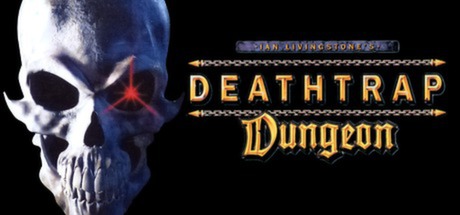
For enthusiasts of classic fantasy literature, the transition from the written word to a digital medium is often fraught with difficulty. Deathtrap Dungeon stands as a notable attempt to bring the high-stakes tension of Ian Livingstone’s legendary Fighting Fantasy gamebook series into a visceral, third-person experience. Developed by Asylum Studios and published by Eidos Interactive, this action-adventure title seeks to translate the perilous tabletop storytelling of the 1980s into a 3D polygonal world filled with lethal mechanisms and ancient curses.
A Perilous Descent into the Trial of Champions
The narrative of Deathtrap Dungeon immerses players in the heart of a sinister tradition known as the "Trial of Champions." The setting is a massive, magical labyrinth constructed by the nefarious Baron Sukumvit, hidden directly beneath the bustling city of Fang. To enhance the sense of ancient dread and immense scale, the game's environments draw heavy architectural inspiration from the intricate, ruin-filled drawings of artist Giovanni Battista Piranesi.
Players enter this gauntlet with a singular, daunting objective: to navigate a maze of deadly traps, monstrous inhabitants, and unpredictable environmental hazards to claim ultimate glory and untold riches. The labyrinth is designed to be as unforgiving as its name suggests, requiring players to use careful observation to overcome foes much larger and more dangerous than themselves. While the plot follows classic fantasy tropes involving a mad warlord challenging adventurers, it provides the necessary framework for some of the most fiendishly difficult traps found in the genre.
Mastering the Labyrinth: Gameplay and Protagonists
As a third-person action-adventure game, Deathtrap Dungeon emphasizes both environmental navigation and combat. A defining feature of the gameplay is the ability to choose between two distinct protagonists, each fundamentally altering the player's approach to the trials ahead:
- Red Lotus: An Amazon warrior whose character design was influenced by a combination of real-life inspirations and comic book aesthetics.
- Chaindog: A hard-bitten barbarian who provides a more rugged alternative for traversing the dungeon.
The gameplay mechanics often involve solving intricate puzzles and navigating complex terrain, drawing comparisons to the 3D action-puzzler mechanics found in early Tomb Raider titles. While the game's 3D engine shares similarities with other Eidos-published titles of the era, it was developed independently to capture the specific atmosphere of Livingstone's work. Although some players have noted challenges with the virtual camera and controls, the adventurous design and puzzle complexity remain central to the experience.
Platform Availability and Appeal
Originally released in 1998, Deathtrap Dungeon was made available for players on the following platforms:
- PlayStation
- Microsoft Windows
This title primarily appeals to fans of the Fighting Fantasy series and retro gaming enthusiasts who enjoy high-stakes fantasy settings. It is a must-play for those who appreciate the tension of classic dungeon crawling and players looking for a challenging, atmosphere-driven experience where every trap and monster poses a genuine threat to survival.