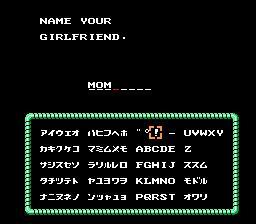
Digital Devil Story: Megami Tensei II stands as a foundational entry in one of gaming’s most enduring franchise lineages. Originally released on April 6, 1990, this role-playing video game blends tactical turn-based combat with deep narrative choices, establishing core systems that would define the series for decades. Players step into the shoes of an unnamed protagonist navigating a fractured world where the boundaries between humanity and the supernatural have completely collapsed.
Gameplay and Mechanics
At its core, the experience revolves around exploration, strategic combat, and moral decision-making. Players navigate dungeon environments from a first-person perspective while traversing an overhead overworld map between locations. During their journey, parties can visit towns and shops to gather story context, restock supplies, and purchase items using in-game currency. Combat is triggered randomly across the map and unfolds through turn-based encounters. Participants can choose to attack using melee weapons, cast magic, or deploy items to weaken enemies or bolster their own ranks. A defining mechanic allows players to battle demons and subsequently recruit them, integrating these supernatural allies into their party. Throughout the journey, morality-based dialogue options shape how non-player characters respond to the protagonist and ultimately determine which of the multiple endings is unlocked.
Story and Setting of Digital Devil Story: Megami Tensei II
The narrative is set in a post-apocalyptic wasteland following a devastating nuclear conflict that shattered civilization. Thirty-five years after the disaster, survivors take refuge in underground shelters or the ruined wards of Tokyo, while demonic forces claim dominion over the surface. A passage between the human world and the Expanse has opened, flooding the region with supernatural entities. When two shelter residents accidentally release a powerful demon, they are declared messianic figures destined to free humanity. The protagonist is subsequently thrust into a sprawling ideological war pitting the demonic forces of Lucifer against the army of the One True God, forcing players to examine preconceptions surrounding order and chaos.
Platform Availability
Originally developed by Atlus and published by Namco, the title first launched for the NES (Famicom) in 1990. An enhanced Super Famicom (SNES) port followed in 1995, developed by Opera House and released by Atlus, featuring improved visuals and refined mechanics. Decades later, the game was also made accessible through mobile platforms, ensuring its longevity across multiple generations of hardware.
Notable Features
- Original Narrative: Unlike its predecessor, which adapted an existing novel trilogy, this installment presents a fully original story that explores complex theological and philosophical themes.
- Morality System: Dialogue choices actively influence NPC interactions and dictate the final outcome, encouraging multiple playthroughs.
- Creative Team: Directed by Kouji Okada with music by Tsukasa Masuko and character artwork by Kazuma Kaneko, the game established a distinct aesthetic and tonal identity.
- Series Foundation: Core mechanics introduced here were partially remade in the 1992 Super Famicom release Shin Megami Tensei, cementing its status as a highly influential entry in gaming history.
Who It Appeals To
Digital Devil Story: Megami Tensei II primarily appeals to dedicated role-playing enthusiasts and players with an interest in classic Japanese RPG design. Those who enjoy tactical turn-based combat, demon recruitment systems, and branching narratives with heavy moral weight will find its design principles deeply engaging. It also serves as an essential historical touchstone for fans of the Megami Tensei and Shin Megami Tensei franchises, offering a direct look at the roots of one of gaming’s most intricate mythologies.