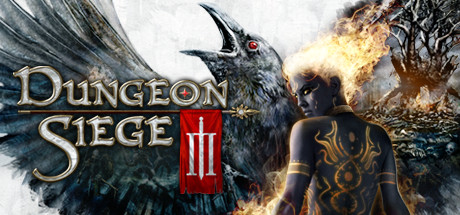
Released on June 20, 2011, Dungeon Siege III represents a significant evolution within the action RPG genre. Developed by Obsidian Entertainment, this title shifts the focus of the long-running franchise toward a more fluid, combat-oriented experience. Blending deep character progression with fast-paced encounters, the game invites players to step into a world where tactical movement and ability mastery are just as vital as the gear you find in the depths of ancient ruins.
Mastering Combat in Dungeon Siege III
At its core, the gameplay revolves around the management of four distinct playable legionnaires: Anjali, Reinhart, Lucas, and Taliya. Rather than relying on traditional, slower-paced dungeon crawling, the game emphasizes responsive combat mechanics and dynamic movement. Each character class is built around a system of nine core abilities—split into three defensive moves and six offensive moves—which are distributed across two distinct fighting stances.
Players must frequently utilize stance shifting to access different tactical options during battle. For instance, a player might use a ranged form to summon elemental effects or allies before quickly switching to a melee stance to execute devastating physical strikes. As characters gain experience and level up, these abilities can evolve; a simple firestorm might grow to include healing properties, or glyph magic might gain the power to slow encroaching enemies. While the game features a variety of loot with statistical bonuses and elemental effects like stun or fire damage, the true depth lies in the ability mastery system and how players chain together their skills to survive waves of enemies.
A Tale of Vengeance and Choice
The narrative is set in the kingdom of Ehb, a land still reeling from the destruction caused by Jeyne Kassynder thirty years prior. Players take control of the remnants of the 10th Legion, tasked with rallying the scattered forces to reclaim their glory. The setting offers a unique blend of classic high fantasy and unexpected technological twists, featuring everything from political intrigue to mysterious robotic automatons.
A defining characteristic of the experience is the impact of player agency. Through choice-driven dialogue trees and branching quests, players must navigate complex moral dilemmas. Decisions regarding whether to treat enemies with respect or pursue cold vengeance can influence relationships with allies and subtly alter how encounters unfold later in the game. These narrative threads tie the various acts together, making the reconstruction of the 10th Legion feel deeply personal to the player's chosen path.
Key Features and Accessibility
Dungeon Siege III is designed for both solo adventurers and those looking for a shared experience. Notable features include:
- Seamless Cooperative Play: The game supports smooth drop-in online play as well as couch co-op, allowing friends to join the fray without the technical hurdles of older era multiplayer titles.
- Dynamic Combat System: High-intensity combat that prioritizes dodging, stance shifting, and ability chaining over traditional menu-based interactions.
- Evolving Character Builds: A deep progression system where abilities evolve through use and experience, allowing for unique character specializations.
- Branching Narratives: A story shaped by player decisions, affecting the political landscape and character relationships within the kingdom of Ehb.
The game is available on Microsoft Windows and PlayStation 3. With a Metacritic score of 72.00, it remains a compelling choice for fans of action-heavy RPGs who enjoy tactical combat and cooperative dungeon exploration.