Eador: Masters of the Broken World
Eador: Masters of the Broken World stands as a unique entry in the realm of fantasy turn-based strategy gaming. Released by Snowbird Games in April 2013, this title serves as an enhanced version of the earlier Eador: Genesis, offering players a deep and complex experience on PC. The game is set in an infinite space where fragments of hard rock fly freely, each fragment representing a distinct world with its own inhabitants. This cosmic setting provides the backdrop for a strategic rivalry among immortal beings known as Masters, who must navigate the challenges of unifying a shattered reality.
The Story and Setting of Eador
The narrative core of the game revolves around a world that has been shattered into a multitude of shards of different sizes by a great cataclysm. Eador is a world on the brink of falling into chaos, with this chaos acting as the true antagonist along with its demonic denizens. Their goal is to devour Eador and end its existence entirely.
Standing between this impending doom and the destruction of the world are the Astral Masters. As one of these nearly immortal beings, the player’s primary objective is to conquer these floating shards and join them to an ever-expanding home shard. It is believed that if Eador can be reunited, it may be possible to keep chaos at bay. However, the player is not alone in this mission; there are 16 other Astral Masters also vying for control. Time itself becomes an enemy, as every shard attempted to take or defend consumes a turn. If too much time passes, depending on the selected difficulty, chaos will inevitably overtake Eador.
Gameplay Mechanics and Strategy
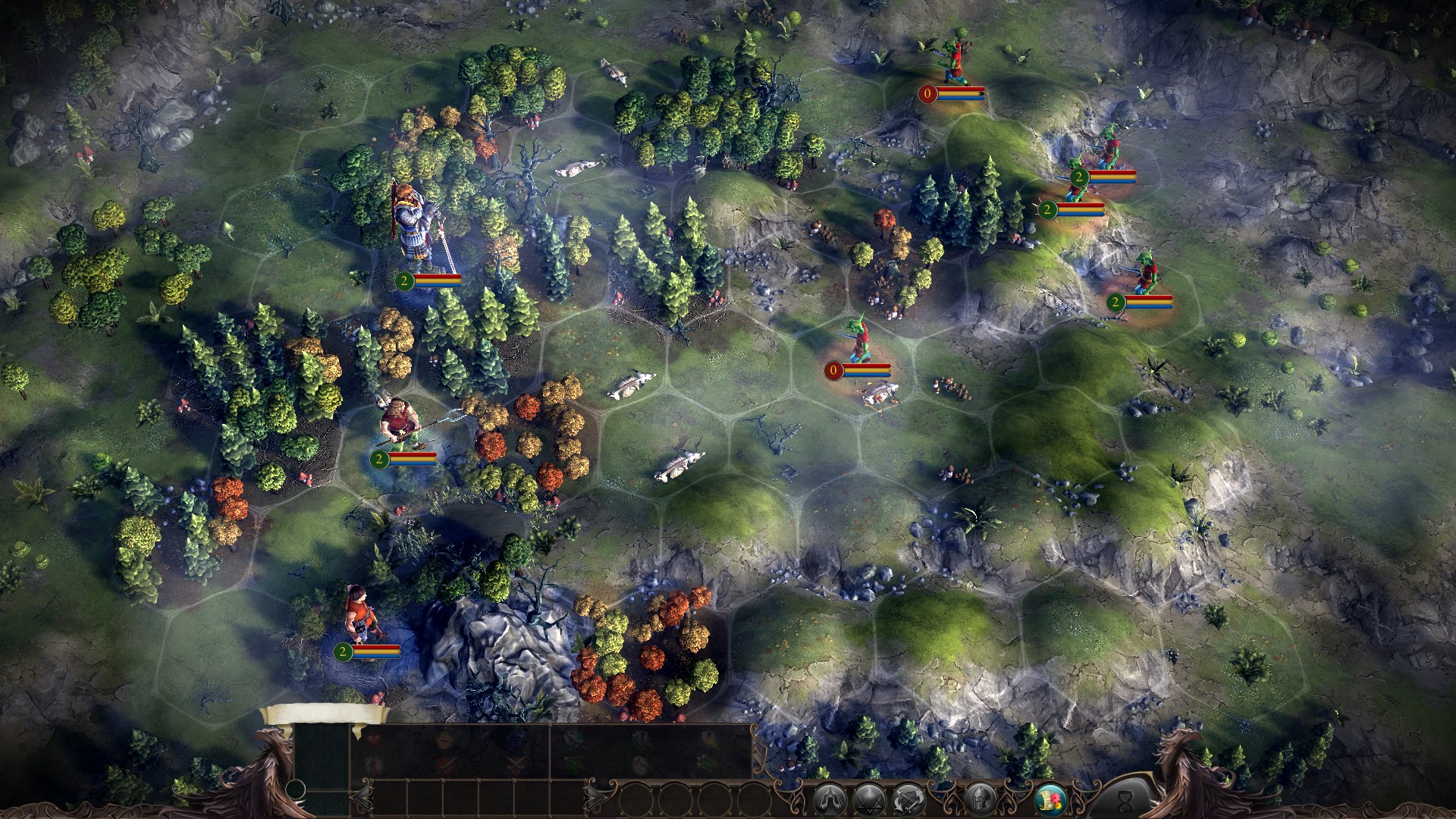
Eador: Masters of the Broken World combines elements from several fantasy games into a cohesive, albeit challenging, package. The gameplay is rooted in turn-based strategy, where players must manage resources and expand their territory. The basis for the growth of one’s own world is astral energy, which is generated by every fragment under your control. This energy can even affect the amount of gold received for successful strategic moves.
Resources play a crucial role in the economy of the game. In addition to astral energy, there are two primary currencies: gold and blue crystals. Gold is used to purchase "ordinary" items such as soldiers, builders, or loyalty. Conversely, blue crystals are converted into magical actions, allowing for offensive or defensive maneuvers. The game units themselves are not impersonal; they gain skills and strength as they play. Players have a large choice of skills to develop, as well as various finds and locations where these can be discovered.
The strategic depth is further enhanced by a complex karma system. Everything that happens to the player is affected not only by their own actions but also by the actions of their subordinates. This adds a layer of unpredictability and complexity, ensuring that the AI remains challenging and strong. While the mechanics may be simple for those familiar with the genre, the sheer volume of choices and the persistent threat of chaos make it a demanding experience.
Platform Availability and Notable Features
Eador: Masters of the Broken World is available for PC, having been released on April 18, 2013. The game is particularly noted for its campaign mode, which is considered the best innovation the title offers to the genre. The campaign is extensive, with players spending dozens of hours navigating the political and military landscape of the shards. The game’s interface and design have been noted for their beauty, though some critics have pointed out issues with monotony and a lack of clear interface elements that can undermine the final experience.
Who It Appeals To
This title is best suited for hardcore PC turn-based strategy enthusiasts who enjoy deep, complex systems and fantasy settings. It appeals to players who appreciate a mix of Civilization-like empire building and Age of Wonders-style tactical combat. The game’s reputation for challenging AI and repetitive yet engaging loops makes it a strong recommendation for those who enjoy mastering intricate strategic puzzles, though it may be too slow or monotonous for casual players seeking immediate gratification.