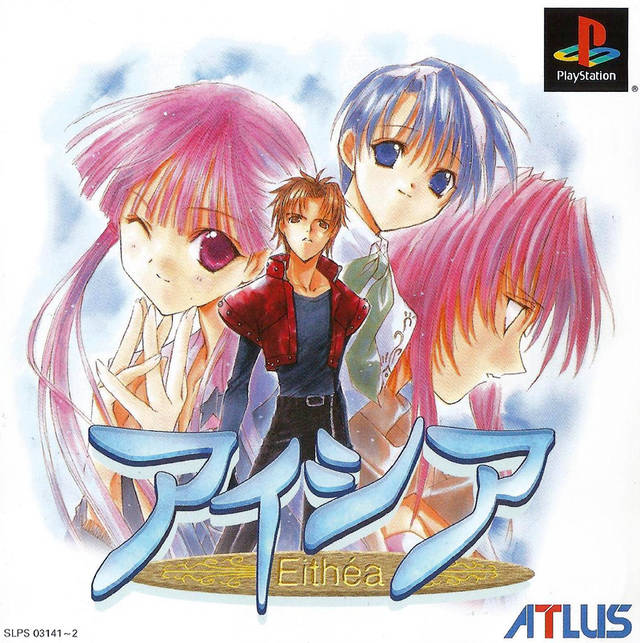
Eithea: A Linear Narrative Journey on PlayStation
Eithea is a plot-driven RPG originally developed by TamTam and published by Atlus for the Sony PlayStation. Released to players on February 22, 2001, the title stands out as a distinct entry in the late-90s and early-2000s JRPG landscape. Built by a development group primarily known for adventure genres and visual novel spinoffs, the game leans heavily into storytelling and atmospheric presentation over traditional gameplay freedom. While it shares the classic exploration and progression elements typical of its era, Eithea differentiates itself through a rigid narrative structure and extensive voice acting that leaves little room for player deviation.
Genre and Gameplay Mechanics
As a role-playing game, Eithea follows a strictly linear progression that prioritizes narrative pacing over open-ended exploration. The game's world map is structured like a giant horseshoe, guiding players from one starting point, through a central bend, and back around to the finale. This design means that movement between locations is almost entirely dictated by story events, with only occasional opportunities to backtrack to towns for rest and resupply. Combat and exploration are straightforward, but resource management plays a crucial role. Enemies rarely drop enough healing items to sustain players through longer stretches, making it essential to stock up before venturing into dangerous areas. The pacing is further shaped by massive blocks of exposition, and with over ninety-five percent of the dialogue voiced, players must navigate long conversation segments that can significantly impact the flow of the game.
Story and Setting Overview
The narrative begins when protagonist Shou Nimi and his classmates say their goodbyes to a transferring student. In an instant, the world shifts, and five students along with their teacher are transported to the alternate realm of Eithéa. This new world is sustained by sacred trees and defined by a long-standing conflict between two major factions: the nature-worshipping Moonlight clan and the technologically advanced Fire Dragon clan. A third group, the Night Dreamers, remains hidden within the deep forests, observing the struggle from the shadows. While the premise introduces an intriguing clash between environmental harmony and technological progress, the plot ultimately embraces late-90s anime tropes, leaning into predictable twists and harem-style dynamics. Aside from Shou, very few male characters remain playable, and the story frequently relies on familiar fantasy archetypes to drive its emotional beats.
Notable Features
- Heavy Voice Acting: Nearly the entire script is fully voiced, creating an immersive but sometimes rigid narrative experience.
- Strict Linear Progression: The horseshoe-shaped map and story-gated travel ensure players follow a predetermined route without side quests or branching paths.
- Resource Scarcity: Limited enemy drops force careful inventory management and strategic town visits.
- Atmospheric Presentation: The game was noted at launch for its visually impressive environments and distinct character designs that reflect its anime-inspired tone.
Who Eithea Appeals To
Eithea is best suited for players who prioritize strong narrative pacing and character-driven stories over open-world exploration or complex mechanics. Fans of early 2000s anime-styled RPGs will find its aesthetic and thematic elements highly familiar, while collectors and historians of Atlus's catalog may appreciate its place in the publisher's broader portfolio. The game works particularly well for those who enjoy fully voiced adventures and do not mind a tightly controlled, story-first approach to progression. However, players seeking extensive side content, branching dialogue, or traditional exploration freedom may find the rigid structure limiting. Ultimately, Eithea remains a distinct time capsule of its era, offering a straightforward yet visually engaging RPG experience for the right audience.