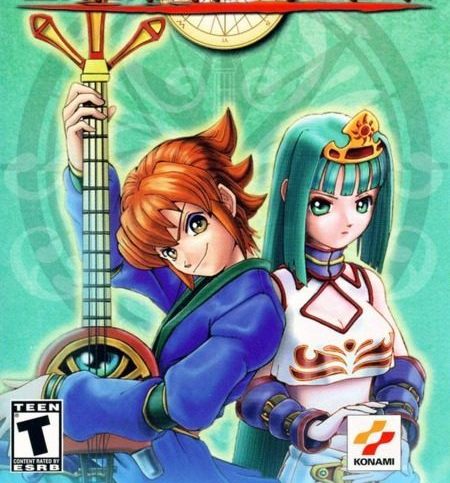
An Unforgettable Loop: Exploring Ephemeral Fantasia
Released on August 10, 2000, for the PlayStation 2, Ephemeral Fantasia (originally known in Japan as Reiselied) is a title that defies easy categorization. Part traditional RPG and part musical adventure, it offers a gameplay experience defined by its ambitious, non-linear structure and a unique "Groundhog Day" narrative hook. While critics have noted its technical hurdles, the game remains a cult classic for those who appreciate deep systems and an unconventional approach to storytelling.
A Story Caught in Time
The adventure begins with Mouse, a traveling musician and part-time thief, who arrives at the Island of Pandule after receiving an invitation to perform at a royal wedding. However, the festivities are overshadowed by a dark secret: the island's ruler, Lord Xelpherpolis, is an evil being from another realm. To sustain his existence, he has placed the island under a magical time loop, draining the magic power of the inhabitants before resetting the clock.
As the day before the wedding repeats indefinitely, Mouse finds himself uniquely protected from the memory wipe caused by the spell. Players must navigate this five-day cycle, recruiting up to ten different characters—each with distinct abilities—and breaking them out of the cycle by helping them remember past loops. Your goal is to uncover the truth behind the curse and bring permanent peace back to the island.
Gameplay Mechanics and Time Management
The core of Ephemeral Fantasia revolves around a persistent, accelerated clock. Time moves forward whether you are playing or not, and the day/night cycle directly impacts in-game events. This creates a high-stakes environment where certain story beats, NPC schedules, and quests are tied to specific days and times. If you miss an event, you may have to wait for the next loop to attempt it again.
The game features several notable gameplay pillars:
- Real-Time 3D Combat: Battles take place in a dynamic 3D field using a positioning system. The placement of party members and enemies determines tactical advantages and disadvantages.
- Evolving Skills: Similar to the SaGa series, characters can learn new attacks automatically as they progress through combat.
- Non-Linear Exploration: The game is famously open-ended. You can spend your time grinding for levels, mapping out the island, or studying NPC patterns to maximize your efficiency within the loop.
- Consequential Choices: With multiple endings and characters that can be missed entirely based on your actions, player agency is central to the experience.
Technical Performance and Appeal
It is important for prospective players to note that Ephemeral Fantasia is a polarizing experience. On the technical side, the game is known for frequent loading screens due to its sector-based world design, which can interrupt exploration. Some critics have also pointed out that the graphics may feel dated, as the game utilizes an engine comparable to earlier Dreamcast titles.
Despite these flaws, the game appeals strongly to players who enjoy "hardcore" RPG elements. It does not hold the player's hand; it requires investment, observation, and patience. For those who enjoy complex stories, intricate character webs, and a world that rewards deep engagement, Ephemeral Fantasia offers an offbeat adventure unlike anything else in the PlayStation 2 library.