A Masterclass in Psychological Horror
Originally conceived as a title for the Nintendo 64, Eternal Darkness: Sanity's Requiem arrived on the GameCube in June 2002 as a polished, atmospheric powerhouse. Developed by Silicon Knights and published by Nintendo, this psychological horror action-adventure stands as one of the most ambitious titles of its era. While often compared to the Resident Evil series due to its survival horror elements, Eternal Darkness distinguishes itself through a deep, multi-generational narrative and groundbreaking mechanics that actively engage—and unsettle—the player.
The game's development cycle was famously long, spanning several years as the project transitioned between consoles. This extended period allowed for an uncanny attention to detail, resulting in a slick, polished experience that features stunning graphics and immersive sound design for its time. While it may not have achieved massive commercial success upon launch, its critical reception was legendary, earning high praise and numerous awards for its ability to push the boundaries of the genre.
A Spanning Epic: Story and Setting
The narrative of Eternal Darkness: Sanity's Requiem is a complex web of history and horror centered around the Roivas family. The story begins in the modern day with Alexandra Roivas, a young student who returns to her family's dark mansion in Rhode Island to investigate the gruesome murder of her grandfather. As she delves into the mystery, she uncovers a connection to an ancient book known as The Tome of Eternal Darkness and a sinister force known as the Ancients, who seek to use its power to enslave humanity.
What makes the setting truly unique is its temporal scale. The game's quests span approximately 20 centuries, allowing players to experience the struggle against the Ancients through various historical lenses. Players do not just inhabit one person; they navigate a branching storyline that connects different eras and characters across time.
Gameplay Mechanics and Sanity Effects
Unlike many survival horror titles of the early 2000s, Eternal Darkness offers fluid gameplay with full analog control, removing the frustration of fixed camera angles found in contemporary classics. The game features a massive cast of 12 different playable characters, each representing a distinct period in history. Players might find themselves controlling:
- A Roman Centurion
- A monk during the Spanish Inquisition
- A doctor during World War I
- An architect or a firefighter
- Ancestors of the Roivas bloodline in various eras
Each character brings unique attributes to the table, including different health, magic, and movement capabilities. For instance, younger characters may be more agile, while older characters might move with more lethargy. This variety ensures that every few hours, players must adapt to new weapons and combat styles.
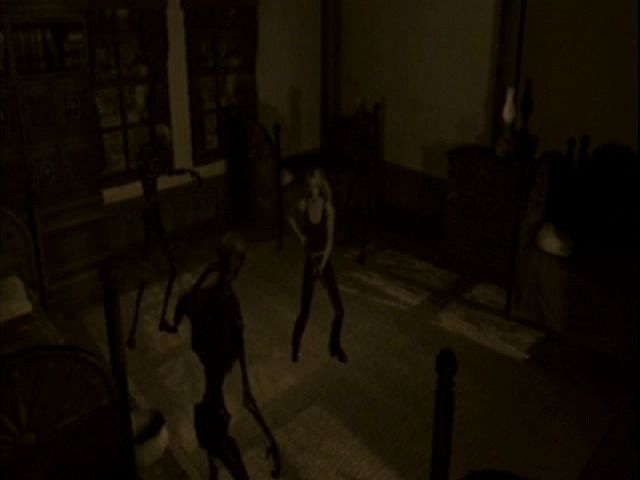
The most defining feature of the game is the "sanity effects." As characters encounter terrifying events, their sanity meter depletes, triggering psychological hallucinations that play tricks on the player themselves. These effects are designed to blur the line between the game's reality and the player's perception, making it one of the first titles to truly "play" the person holding the controller.
Who is this game for?
Eternal Darkness: Sanity's Requiem is a must-play for fans of psychological thrillers, historical fiction, and deep, character-driven narratives. If you enjoy games that challenge your perception of reality and reward patient, thorough exploration, this GameCube classic offers an unparalleled experience. It appeals to those who crave more than just jump scares, offering instead a sophisticated, twisting tale that remains haunting long after the controller is put down.