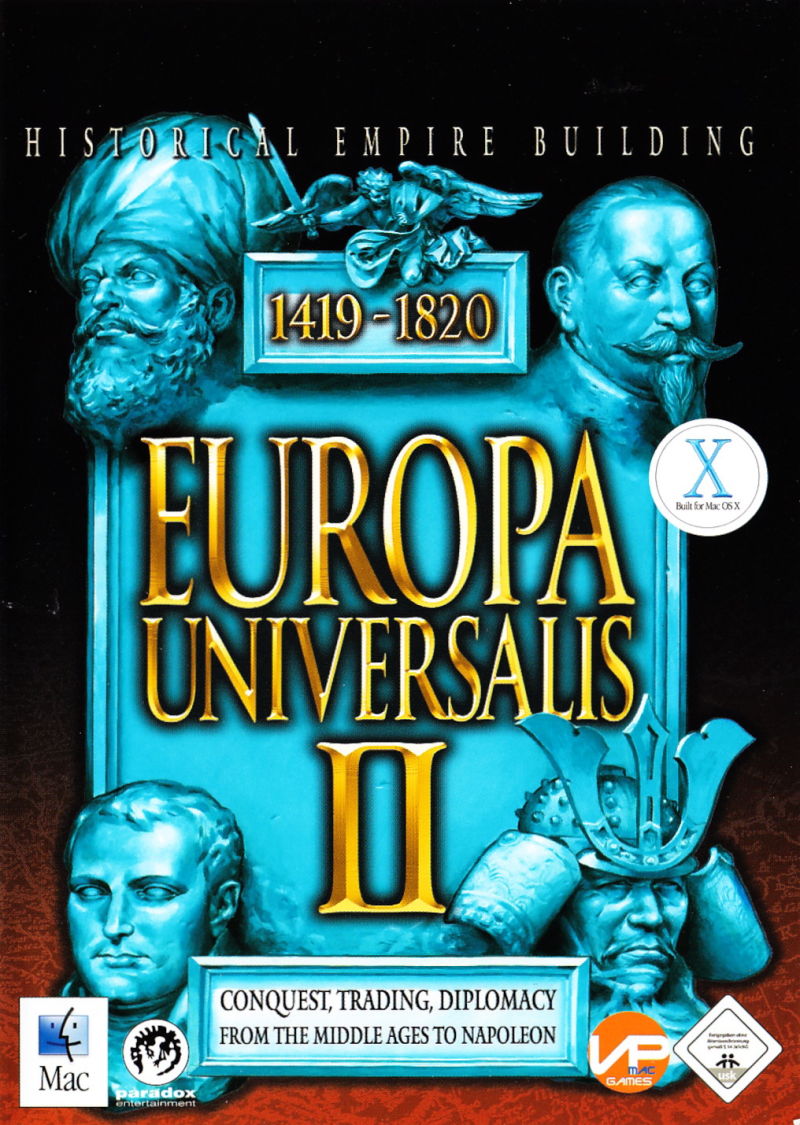
Europa Universalis II: Mastering Global Hegemony in a Strategic Epic
Europa Universalis II stands as a monumental entry in the grand strategy genre, offering players an unparalleled opportunity to shape the course of history from the dawn of the Renaissance to the Napoleonic Wars. Released for PC on December 10, 2001, this title invites you into a vast global struggle for supremacy that spans centuries. As the leader of a sovereign nation, your mandate is to guide both domestic and foreign policies with precision, navigating the complex web of international relations that defined an era of exploration, conquest, and religious fervor.
Gameplay Mechanics and Strategic Depth
The gameplay in Europa Universalis II is defined by its elaborate and expanded systems regarding diplomacy, trade, military might, and national development. Players are not merely combatants but architects of statecraft. You must manage the delicate balance of leading your country to prosperity while engaging in the brutal realities of war. This involves sending privateers to roam the seven seas, plundering enemy commerce and securing maritime dominance. On land, you must muster mercenaries to bolster your defenses or launch invasions into neighboring territories.
Beyond military and economic management, the game introduces a deep focus on cultural and religious dynamics. The game expands upon history’s greatest cause of war—religion—by introducing Hinduism, Confucianism, and Buddhism alongside traditional Christian faiths. This addition significantly impacts gameplay, as cultural groups based on linguistic differences are now portrayed with greater nuance. Players will experience the difficulty of controlling subjects of a different culture during various time periods, making assimilation and rebellion management critical aspects of long-term strategy.
Historical Events and the New Event Engine
One of the most compelling aspects of Europa Universalis II is its integration of true historical events and persons. These interactions allow players to influence the path their nation takes, ensuring that history feels dynamic rather than static. The game features a brand-new event engine that generates historical, random, and special events, keeping the gameplay loop fresh and engaging.
This event engine is designed with flexibility in mind, allowing players to create their own events and scenarios, which adds a layer of replayability and creative freedom. Many of these events offer multiple choices, forcing players to make difficult decisions that can have lasting consequences on their nation’s stability and reputation. The ability to demand or offer any combination of provinces, gold, and diplomatic agreements as a result of peace further enhances the strategic depth, allowing for nuanced treaty negotiations that reflect real-world diplomatic pressures.
Setting and Narrative Scope
The setting of Europa Universalis II is as ambitious as its mechanics. The game begins in the dark times of Jeanne D'Arc and stretches forward to the flaming wars of Napoleon. This vast timeline allows players to experience the evolution of statecraft, from the early struggles for religious supremacy to the complex geopolitical maneuvering of the 19th century. You can set up expeditions to claim the New World, sending missionaries to convert infidels to your state religion, or engage in the religious struggles that tore Europe apart for centuries.
Platform Availability and Accessibility
Europa Universalis II is available exclusively for PC, a platform that suits the complexity and detail of its strategic simulation. Recognizing the steep learning curve associated with grand strategy games, the release included a new tutorial system, a new manual, and improved graphics, music, and sound. These enhancements were designed to lower the barrier to entry, allowing new players to grasp the intricate systems of diplomacy and warfare while providing veteran players with a more immersive experience.
Who Should Play Europa Universalis II?
This game appeals primarily to fans of deep strategic simulations, history enthusiasts, and players who enjoy managing complex systems over long time horizons. It is ideal for those who appreciate the intricacies of diplomacy, trade routes, and military logistics. The inclusion of a robust event engine also makes it attractive to players interested in sandbox-style gameplay, where they can alter historical outcomes or create entirely new scenarios. Whether you are guiding a minor kingdom to great power status or managing the sprawling empire of a global hegemon, Europa Universalis II offers a rich and rewarding strategic experience.