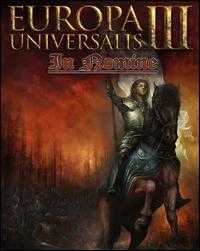
Step back into the shadows of the Middle Ages with Europa Universalis III: In Nomine, a premier grand strategy expansion that redefines the historical scope of the acclaimed base game. Developed by Paradox Development Studio and published by Paradox Interactive, this expansion allows players to push the boundaries of the Clausewitz Engine, offering a deeper, more complex look at the era of shifting empires and rising religious tensions.
A Deeper Dive into Grand Strategy
As a significant expansion to the original 2007 title, Europa Universalis III: In Nomine fundamentally alters the timeline of your campaign. While the base game begins in 1453 following the fall of Constantinople, In Nomine moves the starting point back to 1399. This allows players to navigate a much more volatile period of history, managing the rise and fall of dynasties long before the dawn of the Renaissance.
The gameplay remains rooted in the core mechanics of the series: controlling a nation through the intricate management of war, diplomacy, trade, and economy. Players can select from hundreds of historical nations—ranging from massive powers like Ming China to smaller regional players like Bohemia or Kazan. Within this vast sandbox, you must manage your nation's internal direction by adjusting "sliders" to influence societal values, such as mercantilism or free trade, and appoint court advisors to guide your progress.
New Challenges: The Rebel System
The standout feature of the In Nomine expansion is its overhauled rebel system. In this expansion, rebellion is no longer just a nuisance to be crushed with military force; it is a dynamic political force. Rebels now appear more frequently and possess unique, sophisticated agendas that can threaten the very sovereignty of your nation. Some groups may seek tax relief or religious reform, while others aim to break away entirely to establish their own independent states.
These rebels act much like sovereign nations, often boasting high morale and formidable generals. This introduces a new layer of strategic decision-making: do you march your armies to crush the uprising at the cost of heavy war exhaustion, or do you attempt to negotiate? Negotiating with rebels can preserve your troops but may force you to cede entire regions or accept unfavorable political shifts that impact your national prestige and centralization.
Key Features of In Nomine
- Expanded Timeline: Experience a much broader historical era by starting your campaign in 1399 instead of 1453.
- Dynamic Rebellion: Navigate a complex new rebel system where insurgents have specific political, religious, and territorial objectives.
- Strategic Diplomacy: Utilize new negotiation options to settle uprisings, balancing the cost of war against the loss of prestige and territory.
- Refined Colonial Mechanics: New rules for colonies encourage the development of substantial naval fleets while reducing the need for constant micromanagement.
- Focused Historical Gameplay: New mission and decision trees provide a more structured, historical feel to the otherwise open-ended sandbox experience.
Who is this game for?
Europa Universalis III: In Nomine is designed for fans of deep, "heavy" grand strategy who enjoy complex systems and long-term planning. If you find satisfaction in managing the macro-level politics of an entire continent and enjoy games that reward historical knowledge and strategic patience, this expansion offers the perfect level of increased complexity. It is ideal for players who want to move away from pure sandbox gameplay toward a more mission-driven, historically focused experience.
Platform Availability: This title is available for PC (Microsoft Windows).