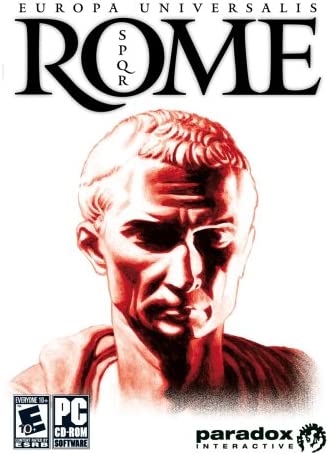
Step back into the ancient world with Europa Universalis: Rome, a deep grand strategy experience from Paradox Interactive. Moving away from the historical eras of previous entries, this title brings the acclaimed series to the Mediterranean during the classical age. Whether you are looking to expand the borders of a rising empire or struggle to maintain the sovereignty of a small city-state, the game offers a high-level geopolitical simulation that rewards long-term planning and decisive action.
Master the Ancient World
Europa Universalis: Rome is a "Pauseable Continuous Time" (PCT) strategy game that blends the immediate intensity of real-time strategy with the profound complexity of a 4X title. Players can select a starting date anywhere between 280 BC and 27 BC, choosing from approximately 50 different factions to command. From the massive powerhouses like Rome and Carthage to lesser-known nations such as Egypt, Numidia, Macedonia, or the Bosporan Kingdoms, every player faces a unique set of challenges.
The gameplay revolves around managing a world divided into provinces, each defined by its own religion, culture, and national power. As a leader, you must oversee various interconnected systems to ensure your nation's survival and growth:
- Resource Management: Utilize tax revenue and manpower from your provinces to fund technological research, build vital infrastructure, and raise massive armies.
- Diplomacy and Warfare: Navigate a landscape of shifting alliances, declare wars, forge peace treaties, and manage blockades against enemy ports.
- Expansion and Colonization: Expand your dominion by conquering territories or colonizing "barbarous" provinces to increase your reach.
- Internal Governance: Appoint governors and generals, manage espionage, and work to purge your empire of corruption and put down domestic insurrections.
Immersive Simulation Features
The game excels at creating an immersive atmosphere through its event system and smart AI. While the scale is grand, the interface is designed to be "lean and tooltippy," making it accessible enough that players can grasp core mechanics without constant reliance on a manual. Unlike earlier titles in the series that were often criticized for overwhelming pop-up messages, this entry strikes a balance by providing high visibility for essential alerts while allowing players to dig into specific details at their own pace.
While military engagements are highly abstracted—with outcomes often determined by army size and leadership quality rather than detailed tactical maneuvers—the wars themselves feel believable. The simulation covers the breadth of ancient life, including the impact of science, culture, and religion on your state's development.
Who is this game for?
Europa Universalis: Rome is an ideal match for players who crave deep, systemic gameplay and historical immersion. It appeals to:
- Grand Strategy Enthusiasts: Those who enjoy managing complex, interlocking systems like trade, diplomacy, and infrastructure.
- History Buffs: Players specifically interested in the ancient Mediterranean setting and the clash of classical civilizations.
- 4X Fans: Gamers who enjoy the "explore, expand, exploit, and exterminate" loop but prefer a more continuous, real-time flow over turn-based mechanics.
Available on PC, this title offers a playground for anyone looking to write their own history among the titans of the ancient world.