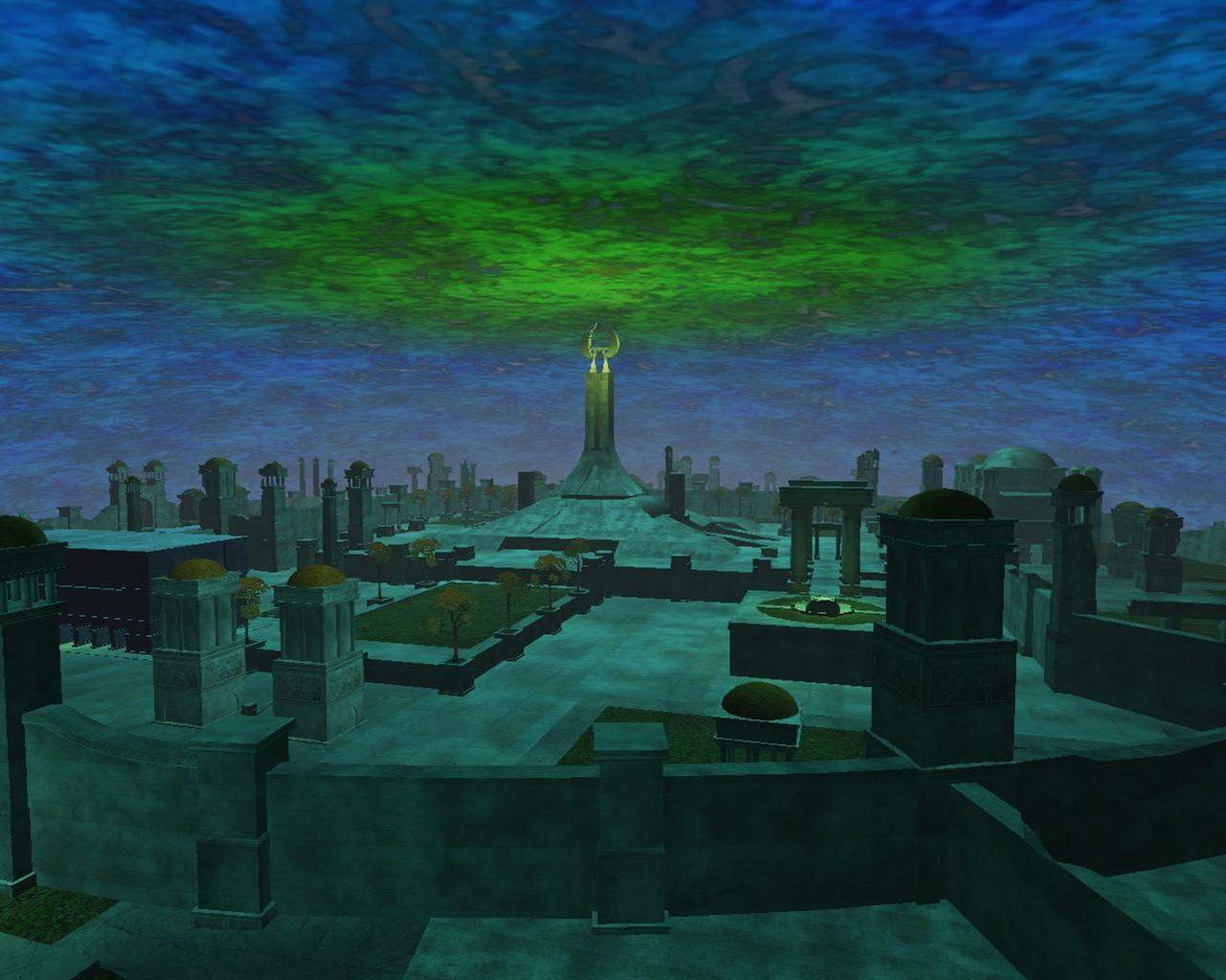
EverQuest: The Buried Sea
EverQuest: The Buried Sea represents a cornerstone in the history of online gaming, serving as a primary entry point into the world of Massively Multiplayer RPGs. Originally released on PC Windows in March 1999, this title established the framework for the genre, offering a persistent fantasy world where players create custom characters to explore, fight, and thrive. Developed by Verant and associated with publishers Sony Online Entertainment and Daybreak Game Company, the game remains a significant reference point for the evolution of RPG mechanics and online community dynamics.
Genre and Gameplay Mechanics
Classified as a Massively Multiplayer RPG, the game focuses heavily on character progression, loot acquisition, and social interaction. The core gameplay loop revolves around killing monsters, delving into dungeons, and forming large groups to tackle formidable enemies. Success requires a substantial time investment, making the experience less suitable for casual gamers due to the immense duration needed to level a character. High-level accounts can take months to create and are even traded on internet auctions for significant sums.
Combat mechanics vary by class. Warriors may rely on basic attacks at lower levels, while other classes must weave magic and melee attacks together effectively. The game features a vast array of race and class combinations, though assessments note a lack of balance between certain classes and races. Loot is a major draw, with rewards ranging from humorous items like slime boots to powerful gear. The gameplay has been rated highly for its variety and addictiveness, with players noting a replayability score of 10/10.
Story and Setting Overview
The game is set in a rich fantasy environment populated by numerous creatures, many of which attack players without clear provocation. While the setting is expansive, the narrative structure is described as having limited backstory, with much of the story conveyed through rare GM events rather than traditional storytelling. Players traverse diverse zones, including the bustling Bazaar and the challenging Planes of Power, encountering enemies across different continents such as Odus. The environment is widely praised for its wonderful atmosphere, with graphics improving significantly through the addition of "Luclin Graphics," which introduced new textures to the engine.
Platform Availability and Technical Details
EverQuest: The Buried Sea is available on PC Windows. Technical performance has evolved over time to accommodate the game's intensive nature. While early graphics were basic, the updated visuals are considered very nice for an MMO, though they must stay below high complexity to accommodate hundreds of players in a single zone. This optimization prevents overwhelming the system, though crowded areas like the Bazaar can still cause lag. Audio is delivered via MIDI music to optimize CPU usage, as the game is known for being one of the most processor-intensive titles available. Ratings for graphics and audio hover around 7/10, reflecting the technical constraints of the era while acknowledging the quality of the environment.
Notable Features and Player Appeal
The community dynamics define much of the experience, with players encountering various archetypes:
- The helpful veteran: Players who offer presents and advice to newcomers.
- The competitive player: Includes player killers, loot grabbers, and those focused on high-level account trading.
- The grinder: Those dedicated to leveling and collecting loot despite the steep time requirements.
Compared to contemporaries like Ultima Online and Asheron's Call, EverQuest is often viewed as a "one and a half" generation title, refining early MMO mistakes while introducing its own challenges. The title appeals to hardcore RPG fans who enjoy grinding for loot, engaging in complex class mechanics, and participating in a massive online world. It is ideal for players who value long-term progression, cooperative group play, and a fantasy setting with deep roots in gaming history, even if the story takes a backseat to the gameplay.