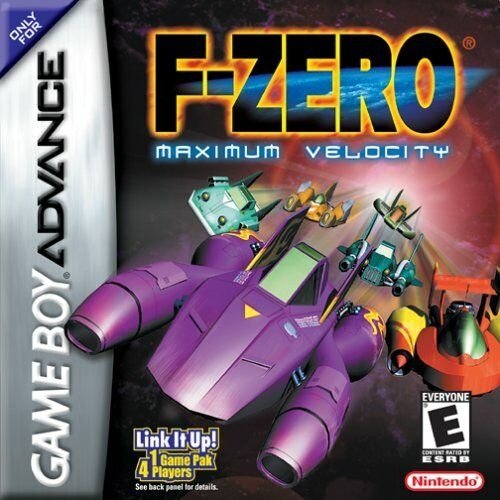
F-Zero: Maximum Velocity: High-Speed Racing on the Go
F-Zero: Maximum Velocity stands as a landmark title in the history of handheld gaming, bringing the franchise's signature high-octane thrills to a portable format for the first time. Developed by Nd Cube and published by Nintendo, this futuristic racing arcade game launched across Japan, North America, and Europe in 2001. As the inaugural entry in the series to appear on a handheld console, it delivers a blistering experience that captures the essence of the Grand Prix while adapting to the Game Boy Advance's capabilities. Players step into the cockpit of advanced hovercrafts, navigating treacherous circuits at breakneck speeds where split-second decisions determine victory, a feat of engineering and design that earned the title a Metacritic score of 86.00.
Setting the Scene for a New Generation
The narrative backdrop places the action twenty-five years after the events of the original F-Zero. This timeline shift introduces a new era of the Grand Prix, populated by a fresh roster of competitors. The game distinguishes itself by focusing on these new pilots, meaning familiar faces like Captain Falcon and Samurai Goroh are notably absent, having "piloted their way to fame" in previous generations. The setting remains true to the series' sci-fi roots, featuring diverse environments ranging from the Crater Land to the Epyrean Colony, all rendered with a distinct visual flair.
Gameplay Mechanics and Handling
While F-Zero: Maximum Velocity shares DNA with its SNES predecessor, the gameplay mechanics have evolved to offer a unique handling model. The core objective remains the same: race as fast as possible using speed-boosting abilities. However, the game introduces a distinct sense of weight to the hovercraft. Vehicles slide more aggressively during turns, requiring players to master a technique of leaning and stabilizing. To counteract inertia when skidding too wide, players must tap the accelerator to correct their trajectory. This mechanic adds a layer of complexity, demanding precision and dexterity from the directional controls.
The game features all-new tracks and vehicles, adhering to the "one new boost per round" rule established in the original. Daring players can discover shortcuts by cutting corners, rewarding risk-taking with time advantages. Progression is structured around three racing series: Pawn, Knight, and Bishop. Unlocking the prestigious Queen Series requires clearing all tracks in these initial classes on Expert difficulty. A fourth difficulty tier, Master, becomes available upon beating Expert in each class, though this mode presents a formidable challenge.
Notable Features and Visuals
One of the standout aspects of F-Zero: Maximum Velocity is its graphical implementation on the GBA. Utilizing the system's Mode7 engine, the game creates a convincing pseudo-3D environment that enhances the perception of speed. The visuals are packed with detail, featuring animated sprites and rich backgrounds that run at a smooth framerate. This technical achievement allows the game to convey an almost realistic sensation of velocity, making the high-speed navigation feel immersive despite the hardware limitations of the portable console.
- Mode7 pseudo-3D graphics delivering a strong sense of speed.
- Unique handling mechanics requiring inertia management and accelerator taps.
- Three racing series (Pawn, Knight, Bishop) leading to the Queen Series.
- Master difficulty featuring aggressive AI and opponent stat boosts.
The difficulty curve is a defining characteristic of the experience. While Beginner and Standard modes offer a manageable entry point, Expert and Master difficulties demand elite skill. In Master mode, opponents not only improve in speed but also adopt a more aggressive demeanor. CPU racers may actively bump into the player and knock them into obstacles, shifting the dynamic from pure racing to survival. This "meaner" AI behavior, combined with stat boosts for opponents, can render certain vehicles obsolete, forcing players to adapt their strategies.
Who Should Play F-Zero: Maximum Velocity?
This game appeals primarily to arcade racing enthusiasts and veterans of the franchise who crave a rigorous challenge. The learning curve is steep, particularly due to the unique sliding mechanics and the punishing nature of higher difficulty levels. It is best suited for dedicated players willing to invest time in mastering the controls and pushing their reflexes to the limit. While the repetitive nature of tracks and the aggressive AI in Master mode may deter casual gamers, those who embrace the difficulty will find a rewarding test of skill that delivers intense, adrenaline-fueled sessions.