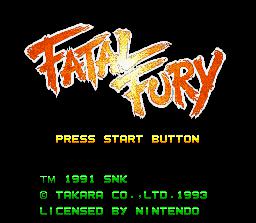
Fatal Fury: King of Fighters stands as a foundational title in the fighting game genre, originally released on November 25, 1991, by SNK for the Neo Geo arcade and home systems. Often misunderstood as a derivative of its contemporaries, this head-to-head brawler was actually developed in parallel with early Street Fighter II by former Capcom developers Takashi Nishiyama and Hiroshi Matsumoto. The game serves as the inaugural entry in the legendary Fatal Fury series and introduced the fictional King of Fighters tournament, a concept that would eventually spawn an entirely separate franchise. Today, the title is accessible across PC, Xbox One, PlayStation 4, Nintendo Switch, and PlayStation 3, allowing modern players to experience its historic impact.
Fatal Fury: King of Fighters: Genre and Gameplay Mechanics
As a classic one-on-one fighter, the game strips away complex command lists in favor of straightforward inputs: A for punches, B for kicks, and C for throws. Players can execute these basic attacks while ducking or jumping, but the true depth lies in its special moves, which are gradually unlocked through intermittent bonus stages. The control scheme is intentionally simple, though mastering joystick motions for specials requires precision. Combat takes place on stages featuring a unique two-lane battle system, where players switch lanes by jumping or rolling. While this mechanic adds visual flair, lane changes often occur somewhat randomly, prioritizing aesthetic presentation over competitive strategy. Despite a limited roster of only three playable fighters, each character offers a distinct playstyle and a large moveset that rewards practice.
Story and Setting Overview
Set in the gritty American west coast city of Southtown, the narrative revolves around a deeply personal quest for vengeance. Years prior, martial arts master Tung Fu Rue trained two promising students: Jeff Bogard and Geese Howard. Geese harbored ambitions to dominate Southtown’s criminal underworld, but when Tung chose to pass his legacy to Jeff instead, Geese’s resentment turned deadly. After Geese murdered Jeff—a crime witnessed by his young son Terry—the master took Terry in to be raised alongside his son Andy. Years later, the two brothers enter the King of Fighters tournament hosted by their father’s killer, battling through a gauntlet of non-playable boss characters to ultimately confront Geese Howard and avenge their family.
Platform Availability
Originally launched on the Neo Geo arcade cabinet and home console, the title has been preserved and re-released across numerous platforms over the decades. Early ports arrived on the Neo Geo CD, Sega Genesis, Super Nintendo, and PC platforms like the X68000. In recent years, preservation-focused releases have made the game widely available on contemporary hardware, including PC, Xbox One, PlayStation 4, Nintendo Switch, and PlayStation 3. These modern iterations often include both the original Japanese and international versions, giving players the choice to experience the game with historically accurate mechanics and presentation.
Notable Features
- Iconic Character Debuts: Introduced the Bogard brothers, Joe Higashi, and the ruthless Geese Howard, establishing core pillars of SNK’s fighting game legacy.
- Tournament Origins: First game to depict the King of Fighters competition, laying the narrative groundwork for a massive spin-off series.
- Two-Lane Stages: Pioneered a dynamic battlefield where combatants shift between lanes via jumps and rolls, adding spatial variety to traditional 1v1 combat.
- Historical Development: Crafted by former Capcom developers who aimed to reinterpret the fighting genre rather than replicate existing titles, resulting in a distinct pacing and design philosophy.
Who It Appeals To
Fatal Fury: King of Fighters primarily appeals to fighting game enthusiasts, retro arcade collectors, and players interested in the foundational lore of SNK’s universe. Its straightforward control scheme makes it accessible to newcomers, while its deliberate pacing and character-specific mechanics draw in veterans looking to explore the roots of the genre. Fans of the broader King of Fighters franchise will also appreciate this title for its direct narrative connections and the introduction of its most iconic rivalries. Ultimately, it serves as an essential historical document for anyone studying the evolution of competitive arcade gaming.