Final Fantasy I & II: Dawn of Souls is a comprehensive compilation of the first two entries in the legendary Final Fantasy series, reimagined for handheld play. Released on July 29, 2004, this RPG collection brings the introductory titles to the Game Boy Advance and Nintendo DS, offering players a chance to experience the roots of one of gaming's most iconic franchises. With a Metacritic score of 79.00, the game stands as a polished bridge between classic gaming history and modern accessibility, provided by Square Enix.
Gameplay Mechanics and Systems
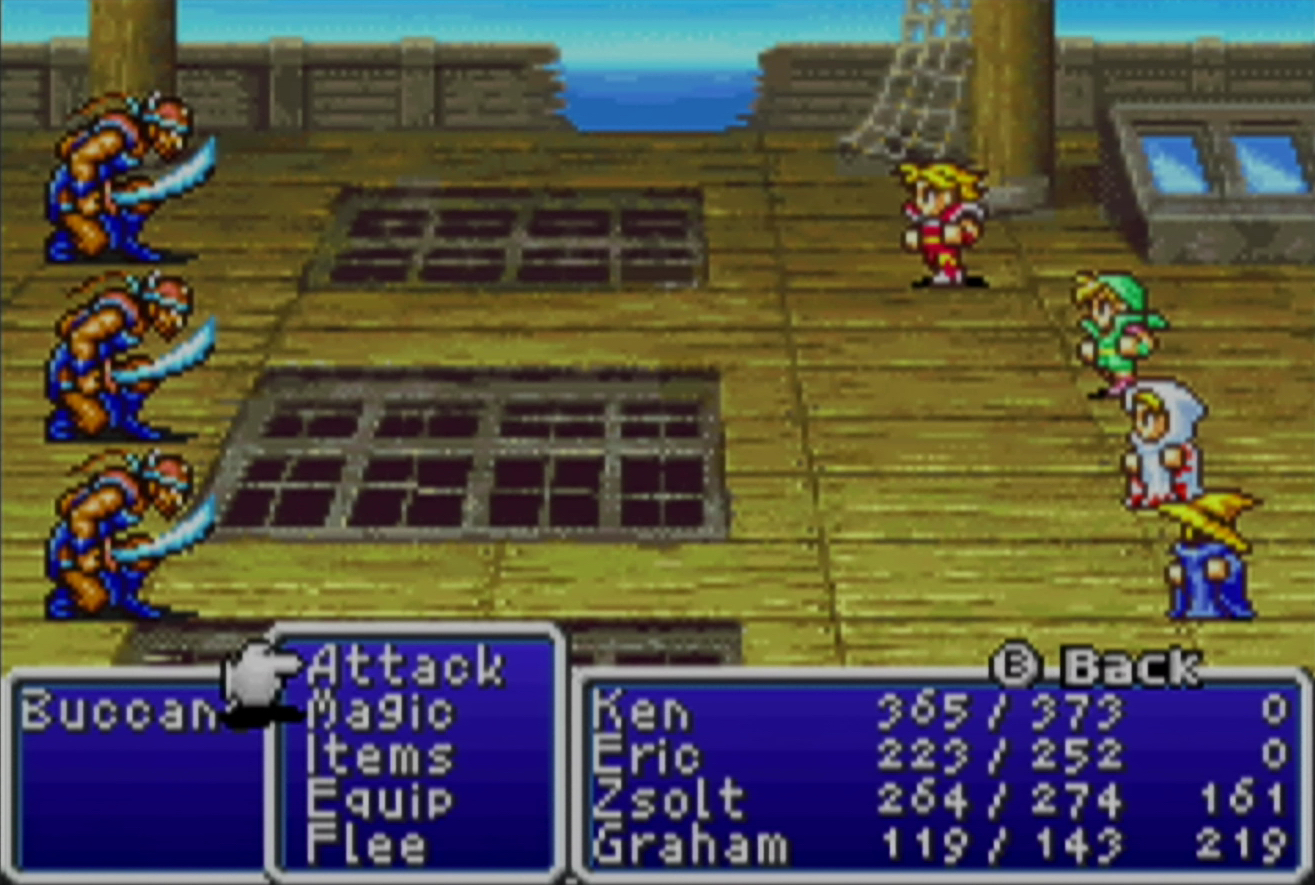
The compilation showcases two distinct approaches to role-playing progression. Final Fantasy features traditional turn-based battles where players input commands for their party of four Warriors of Light. The game has been updated with a modern magic system, allowing characters to draw from a pool of magic points rather than using limited magic levels. Players will find that experience levels now span up to 99, with characters gaining levels more frequently and receiving higher stat bonuses. These adjustments make the journey smoother than the original release, allowing parties to tackle the first dungeon and subsequent challenges with greater ease.
Unique Progression in Final Fantasy II
In contrast, Final Fantasy II introduces a unique growth system available in its first North American release on a Nintendo platform. Characters do not earn experience points or levels; instead, their stats grow individually based on their actions and status effects in battle. While this method offers deep customization, strengthening characters can be time-consuming and requires dedication to progress through the story. The game is noted for its stubbornly threadbare storyline, requiring players to use their imagination to fill in the narrative gaps.
Story and Setting
The narrative journey begins with Final Fantasy I, which follows the quest of the four Warriors of Light. Their mission is to restore light to the four crystals that sustain their world, embarking on a classic fantasy adventure filled with dungeon crawling and the discovery of powerful spells and weapons.
The sequel, Final Fantasy II, shifts the focus to three youths fighting against the tyrannical Emperor of Palamecia, who seeks to conquer the world. At the start of the conflict, the heroes are separated from their comrade Leon. This installment brings the tale of rebellion to a wider audience, retaining the addictive nature of old-school RPGs where leveling up and exploring new areas is the core loop.
Notable Features and Improvements
- Fresh Translations: The text has been updated to be cleaner and closer to the original Japanese source material, providing a more authentic narrative experience.
- Cinema Scenes: New full-motion video sequences have been added to depict major action events, enhancing the presentation on the GBA and DS.
- Bonus Dungeons: The compilation includes optional content featuring bosses from other Final Fantasy games, offering a significant challenge for veteran players.
- Auditory and Visual Upgrades: The Game Boy Advance hardware allows for enhanced music and graphics compared to the original NES/Famicom versions.
- Completion Time: Players can expect a substantial RPG experience, with completion times ranging from 40 to 60 hours across the two titles.
Who Should Play Final Fantasy I & II: Dawn of Souls?
This compilation is ideal for veterans of the series looking to revisit the origins of the franchise or open-minded gamers seeking a solid old-school RPG experience. The game is perfect for fans of dungeon crawling, frequent random encounters, and deep character progression. While the title retains the structural simplicity of its era, the updated mechanics and faster progression make it accessible to newer fans who may have missed the first game. However, players accustomed to modern narrative-driven RPGs may find the lack of complex plotting and primitive exploration mechanics challenging. For those who appreciate the addictive nature of classic turn-based combat, Final Fantasy I & II: Dawn of Souls remains a compelling addition to any GBA or Nintendo DS library.