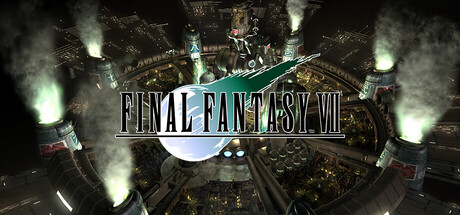
A Legend Reborn: Exploring FINAL FANTASY VII
FINAL FANTASY VII stands as one of the most significant landmarks in the history of the RPG genre, celebrated for its narrative ambition and its ability to evolve alongside gaming technology. As a cornerstone of the Japanese Role-Playing Game (JRPG) tradition, this title is recognized for its deep character progression, strategic decision-making, and a world that blends science fiction with high fantasy. Since its initial 1997 release, the game has maintained a massive cultural footprint, solidified by various re-releases and ports that have brought its legendary characters to new generations of players.
Set in a world facing ecological collapse, the story follows Cloud Strife, a mercenary who joins an eco-terrorist organization. Their mission: to stop a powerful, world-controlling megacorporation from using the planet's life essence as an energy source. However, the stakes escalate far beyond corporate greed when Cloud and his allies find themselves in pursuit of Sephiroth—a superhuman antagonist seeking to wound the planet to harness its healing power for his own rebirth as a god.
Deep Gameplay Mechanics and Strategic Combat
While the series is rooted in traditional JRPG mechanics, the gameplay of FINAL FANTASY VII offers a sophisticated layer of customization and tactical management. While classic iterations focus on turn-based battles, the experience remains defined by its ability to demand both quick reflexes and long-term strategic planning.
To succeed in high-stakes encounters against formidable foes, players must master several key systems:
- Materia System: A dynamic magic-weapon hybrid framework that serves as the backbone of character customization. Players use Materia to alter elemental affinities, enhance weapon strengths, and unlock essential abilities.
- Party Management: Success requires meticulous attention to the unique skill sets of a diverse cast. Navigating complex battles involves coordinating characters such as the cocky protagonist Cloud, the compassionate Aerith Gainsborough, Tifa, and Barrett.
- Strategic Combat Elements: The gameplay demands careful management of status effects, item inventory, and terrain advantages to survive difficult encounters.
- Engrossing Mini-games: Beyond the main combat loop, the game is packed with various side activities ranging from frantic action to real-time strategy elements.
A Lasting Legacy in Gaming History
The impact of FINAL FANTASY VII cannot be overstated. It was a technical pioneer, being the first in its series to utilize full-motion video (FMV) and 3D computer graphics, featuring 3D character models superimposed over pre-rendered backgrounds. This leap in presentation helped set new industry standards for the modern RPG.
While certain elements of the original localization and aging graphics may present challenges for modern players, the core of the experience—the heart-wrenching story and the deep bond between its characters—remains as effective today as it was decades ago. Whether you are exploring the cyberpunk streets of Midgar or engaging in intense battles, the game offers an emotional resonance that few titles can match.
Platform Availability and Appeal
Because of its legendary status, FINAL FANTASY VII has been made available across a vast array of platforms over the years. Players can find various iterations on:
- Original Hardware: PlayStation
- PC: Windows
- Mobile: iOS and Android
- Modern Consoles: PlayStation 4, Nintendo Switch, and Xbox One
This title is a must-play for fans of the JRPG genre, lovers of epic, character-driven narratives, and anyone interested in the history of video game evolution. If you enjoy deep customization systems and stories that blend political intrigue with cosmic stakes, this is an essential addition to your library.