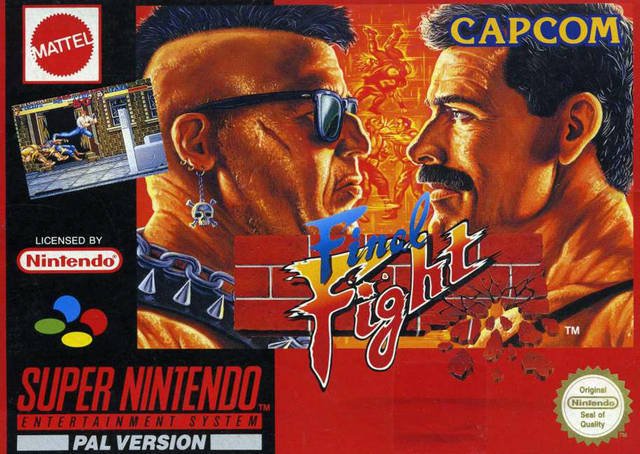
Released on December 20, 1989, Final Fight stands as one of Capcom's most enduring achievements in the beat-'em-up genre. Originally conceived as a sequel to the 1987 classic Street Fighter, the developers famously pivoted from a traditional fighting game to a side-scrolling brawler. This bold decision resulted in an arcade sensation that established a new gold standard for the genre, introducing iconic characters and a gritty urban atmosphere that would influence titles like Streets of Random for years to come.
The Streets of Metro City: Story and Setting
Set in the fictional, lawless sprawl of Metro City, the game places players in the middle of a violent power struggle. The story follows Mike Haggar, a former professional wrestler turned politician, who has recently been elected mayor with the promise of cleaning up the streets. However, the criminal underworld—led by the sinister Mad Gear Gang—is not ready to relinquish control. In a retaliatory strike against Haggar's administration, the gang kidnaps his daughter, Jessica.
To rescue his daughter and dismantle the criminal empire, Haggar must take a "hands-on" approach to law enforcement. He is joined by Jessica’s boyfriend, Cody, and their martial arts expert friend, Guy. Together, this trio must fight their way through various urban districts, facing off against everything from generic street punks to massive, wrestler-inspired brutes like Andore.
Gameplay Mechanics and Character Classes
As a 2.5D side-scrolling beat-'em-up, Final Fight utilizes a progression system where players move from left to right through several lengthy stages. The gameplay loop involves navigating through environments, engaging in combat, and clearing waves of enemies before the screen locks, signaling the arrival of more formidable foes or boss encounters.
While the core controls involve punching, kicking, jumping, and grabbing, the game offers depth through its distinct character roster. Each playable character possesses a unique balance of strengths and weaknesses:
- Mike Haggar: The powerhouse of the group. While he moves slower than his companions, he excels in raw strength, capable of performing devastating throws, slams, and suplexes that can deplete enemy health rapidly.
- Cody: The versatile middle ground. Cody offers a balanced approach to combat, making him an ideal choice for players who want a mix of speed and impact.
- Guy: The agile specialist. Though the physically weakest of the three, Guy compensates with superior speed and acrobatic movement.
Combat is further enhanced by environmental interaction. Players can scavenge weapons dropped by defeated enemies or break objects within the stages to find items like knives or pipes. Unlike some contemporaries, weapon use in Final Fight is often more strategic and less limited, allowing players to tip the scales during intense brawls.
Platform Availability and Legacy
The legacy of Final Fight extends far beyond its original arcade hardware. The game has seen numerous ports across a wide range of platforms, including:
- Super NES (SNES): A highly popular home version, though notable for certain cutbacks such as the removal of the character Guy and the omission of multiplayer mode in some iterations.
- Sega CD: A version praised for being more faithful to the arcade experience, even featuring added voice acting during cutscenes.
- Other Platforms: The game has also seen releases on iOS, Commodore/Amiga, Atari ST, and Game Boy Advance.
With a Metacritic score of 82.00, the game remains a definitive experience for fans of retro action. Whether you are a newcomer to the genre or a veteran looking to relive the glory days of the 16-bit era, Final Fight offers a masterclass in arcade-style combat and character-driven urban grit.