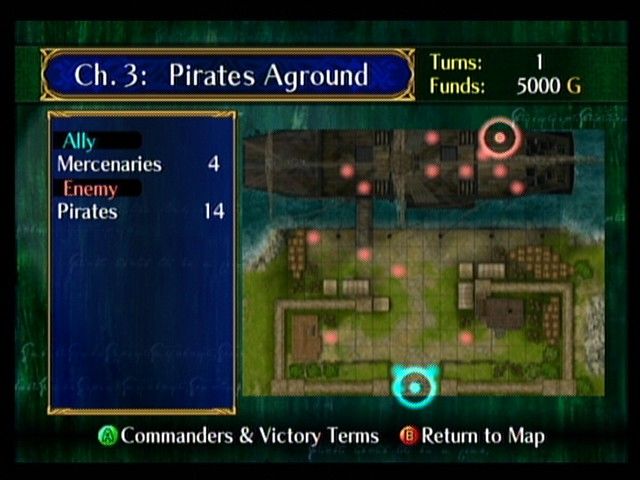
Fire Emblem: Path of Radiance is a tactical role-playing video game that successfully bridges the gap between classic handheld strategy and modern console gaming. Released in 2005 for the Nintendo GameCube, it marks a pivotal moment as the franchise’s first home console entry since the Super Famicom era. Developed by Intelligent Systems and Nintendo SPD, this ninth main installment in the series introduces players to a refined, consequence-driven experience that has earned widespread critical acclaim since its debut.
Fire Emblem: Path of Radiance Story and Setting
The narrative unfolds across the continent of Tellius, a distinct world inhabited by two primary races: the humanoid Beorc and the shapeshifting Laguz. The story begins when the Beorc nation of Daein launches a devastating invasion of the peaceful kingdom of Crimea. Protagonist Ike, the son of a renowned mercenary leader, discovers the injured Princess Elincia, the last heir to the Crimean throne. Together with the Greil Mercenary Group, Ike embarks on a journey to restore Elincia to power, forge alliances across Tellius, and confront the deep-seated racial tensions and historical resentment between the Beorc and Laguz peoples.
Tactical Gameplay and Strategic Depth
At its core, the game revolves around turn-based tactical combat on grid-based battlefields. Players must carefully position their units to exploit advantages, manage resources, and achieve mission objectives. Every fight directly impacts the overarching narrative, and the series’ signature permanent death mechanic ensures that fallen warriors vanish from the story entirely. There are no revival items or second chances, making every tactical decision weighty and consequential. The combat system relies on a classic weapons triangle where swords hold an advantage over axes, axes over lances, and lances over swords, adding a crucial layer to strategic planning. Additionally, players must manage an economy of expendable weapons, deciding when to deploy elite gear and when to rely on standard stock.
Notable Features and Character Progression
A major departure from previous entries is the introduction of the Laguz, a race of lycanthropic humanoids who automatically transform into powerful animal forms after remaining in combat for several turns. While in beast form, they deal massive damage, but in human form they cannot attack, forcing players to adapt their strategies dynamically. Character progression remains deeply tied to battlefield performance, with units gaining experience points, leveling up, and eventually receiving class promotions that grant new proficiencies and stat boosts. The game also features a thorough, well-paced tutorial that eases newcomers into its systems without sacrificing depth. Key highlights include:
- A dynamic combat system that requires careful positioning and resource management
- Permanent death mechanics that raise the stakes for every engagement
- A weapons triangle that dictates unit strengths and weaknesses
- First entries in the series to feature full polygonal 3D graphics, motion cutscenes, and voice acting
Who It Appeals To
This title primarily appeals to fans of deep strategy games, tactical role-playing, and narrative-driven experiences. Players who enjoy high-stakes decision-making, character development, and immersive world-building will find the game highly rewarding. Its willingness to punish poor planning with permanent loss makes it an excellent choice for dedicated gamers seeking a challenging and emotionally engaging campaign. By blending a mature storyline with rigorous tactical combat, Fire Emblem: Path of Radiance stands as a defining console strategy RPG that continues to influence the genre.