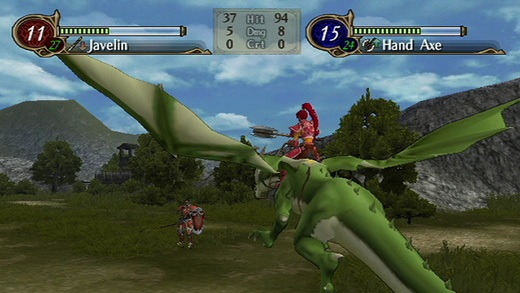
Fire Emblem: Radiant Dawn is a strategy role-playing game originally released for the Nintendo Wii on November 5, 2007. Serving as a direct sequel to Path of Radiance, this tactical title expands upon the series' hallmark blend of deep storytelling and challenging combat. With a Metacritic score of 78.00, it stands as an ambitious, mechanically dense entry that demands precision, patience, and a willingness to navigate complex political landscapes.
The Story and Setting of Fire Emblem: Radiant Dawn
Three years have passed since the brutal conflict that ended with the death of Mad King Ashnard. The once-independent nation of Daein now suffers under the heavy occupation of the Begnion Empire. At the heart of this occupation is Micaiah, the so-called "silver-haired maiden," who leads a small band of freedom fighters known as the Dawn Brigade alongside allies like Sothe. Rallying under the banner of Daein’s long-lost prince, they fight to end a long, dark night of oppression. The narrative is uniquely structured into four distinct parts, each offering a different perspective on the unfolding events. Unlike traditional entries, there is no single main character; players will shift command between multiple armies and different leaders chapter by chapter. While early antagonists may feel one-dimensional, the political backstories and character motivations gradually deepen, eventually paying off long-running threads involving figures like Sephiran, Queen Elincia, Ike, and the enigmatic Black Knight.
Gameplay Mechanics
The gameplay remains firmly rooted in grid-based tactical combat, but the title distinguishes itself through its unorthodox structure and mechanical density. Players must seamlessly switch between several different factions throughout their journey, each with unique units, abilities, and objectives. This format forces a strategic approach reminiscent of classic army management games, culminating in a final act where players must coordinate and manage all their armies simultaneously. The title also reintroduces and refines the skills system, allowing skill scrolls to be moved indefinitely between units rather than being consumed upon use. However, the game features one of the largest casts in the series, which naturally introduces balance challenges. The difficulty curve is exceptionally steep, often bordering on unforgiving, requiring players to master positioning, weapon durability, and hit rates to survive.
Notable Features
- Epic and Atmospheric Soundtrack: The score heavily emphasizes grand, sweeping war themes alongside moments of anxiety and tranquility, featuring iconic tracks like Ike’s theme and "Hymn of the Righteous."
- Multi-Army Command System: The unorthodox format requires players to adapt to shifting leadership dynamics and manage multiple distinct forces across the campaign.
- Polished Skill Management: The movable skill system allows for extensive customization, letting players optimize units across multiple playthroughs.
- Strategic Depth: The final act demands meticulous planning as players control all armies at once, elevating the tactical complexity to its peak.
Platform Availability
Fire Emblem: Radiant Dawn was originally developed and released for the Nintendo Wii. According to available documentation, the title has also been made accessible on PlayStation consoles, including the PS3, PS4, and PS5.
Who It Appeals To
This title is best suited for hardcore strategy RPG enthusiasts and veterans of the Fire Emblem series. Its punishing difficulty, massive character roster, and complex narrative structure may overwhelm newcomers, making it an ideal experience for players who appreciate deep tactical challenges and political storytelling. Many regard it as the capstone and final magnum opus of the original series, offering a grandiose, sweeping conclusion to the continent's history.