FlatOut: The Definitive Arcade Destruction Racing Experience
FlatOut, released in November 2004 by Bugbear Entertainment, remains a standout title in the arcade racing genre, distinguished by its unapologetic focus on vehicular mayhem and physics-based chaos. Unlike its polished competitors that prioritize sleek aesthetics and realistic handling, FlatOut embraces a "low rent" design philosophy, offering players a gritty, high-speed demolition derby experience where the primary goal is not just to cross the finish line first, but to wreck hard along the way. This title laid the groundwork for a tetralogy of games and introduced mechanics that would influence the demolition racing subgenre for years to come.
Gameplay Mechanics and Modes
The core gameplay of FlatOut revolves around two distinct pillars: standard racing and destruction derby. In standard races, players compete against seven other racers across a variety of tracks, aiming to reach the finish line before their opponents. However, the true identity of the game shines in its demolition derby mode, where the last vehicle standing is declared the winner. This mode encourages aggressive driving and strategic collisions, transforming every lap into a potential brawl.
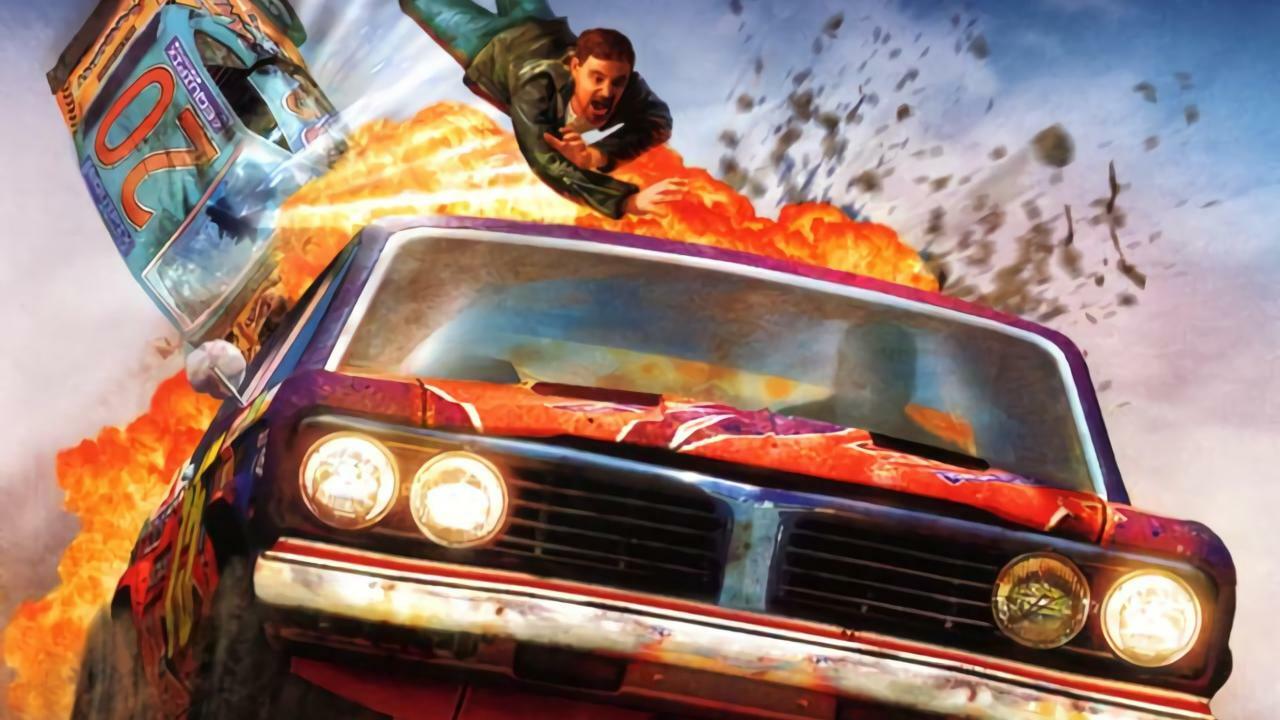
FlatOut also features unique "Bonus" events that break the traditional racing mold. These special challenges require players to eject their drivers from their vehicles through the windshield to score points in activities like high jumps, darts, and bowling. To facilitate these stunts, the game introduces a nitro boost system that charges whenever the player hits an obstacle. This creates a compelling risk-reward dynamic, as drivers must balance high-speed racing with calculated crashes to fuel their destruction capabilities.
The career mode provides a structured path for progression, allowing players to buy and upgrade vehicles in a junkyard. Wins earn cash, which can be spent on tune-ups for speed, horsepower, and traction, or used to purchase new cars from different classes. While players do not need to win every race to advance—placing third or higher is often sufficient—the depth of customization and the nearly 40 races across bronze, silver, and gold circuits offer substantial content for single-player enthusiasts.
Physics, Destruction, and Ragdoll Technology
What truly sets FlatOut apart is its sophisticated physics engine. The game was one of the first to utilize ragdoll physics for its drivers, a technology previously reserved for animated cartoons. This allows drivers to be realistically tossed from their vehicles during high-impact crashes, a feature that became iconic for the series. The vehicle damage system is equally detailed; dents and deformations vary based on the type of accident, the angle of impact, and the objects involved. For instance, falling debris will damage the upper areas of a car, while tire walls and fences react dynamically to collisions, creating a shifting, unpredictable environment.
While the physics are generally praised for enhancing the fun factor rather than adhering to strict realism, the randomness of vehicle resets after severe crashes can occasionally be frustrating. However, this unpredictability adds to the chaotic charm of the arcade experience, ensuring that no two races feel exactly the same.
Platform Availability and Multiplayer Support
Originally launched for Windows, PlayStation 2, and Xbox in late 2004, FlatOut has maintained a broad footprint across gaming platforms. The game supports both single-player and multiplayer modes, with online multiplayer accommodating up to eight players. Console versions offer local split-screen options, with the Xbox version supporting up to four players and the PlayStation 2 supporting two. Later releases included a version for the Wii in 2010, and a PC update in July 2024 added Steam Workshop support and improved compatibility with Steam Deck, ensuring the game remains accessible to modern audiences.
Who Should Play FlatOut?
FlatOut is ideal for players who crave fast-paced, adrenaline-fueled action without the weight of simulation-heavy mechanics. It appeals to fans of the Destruction Derby legacy and those who appreciate arcade racers that prioritize spectacle and physics over realism. While it may lack the narrative depth of other titles, its blend of intense racing, creative destruction events, and robust multiplayer options makes it a essential experience for arcade racing enthusiasts.