Introduction to Grow Home
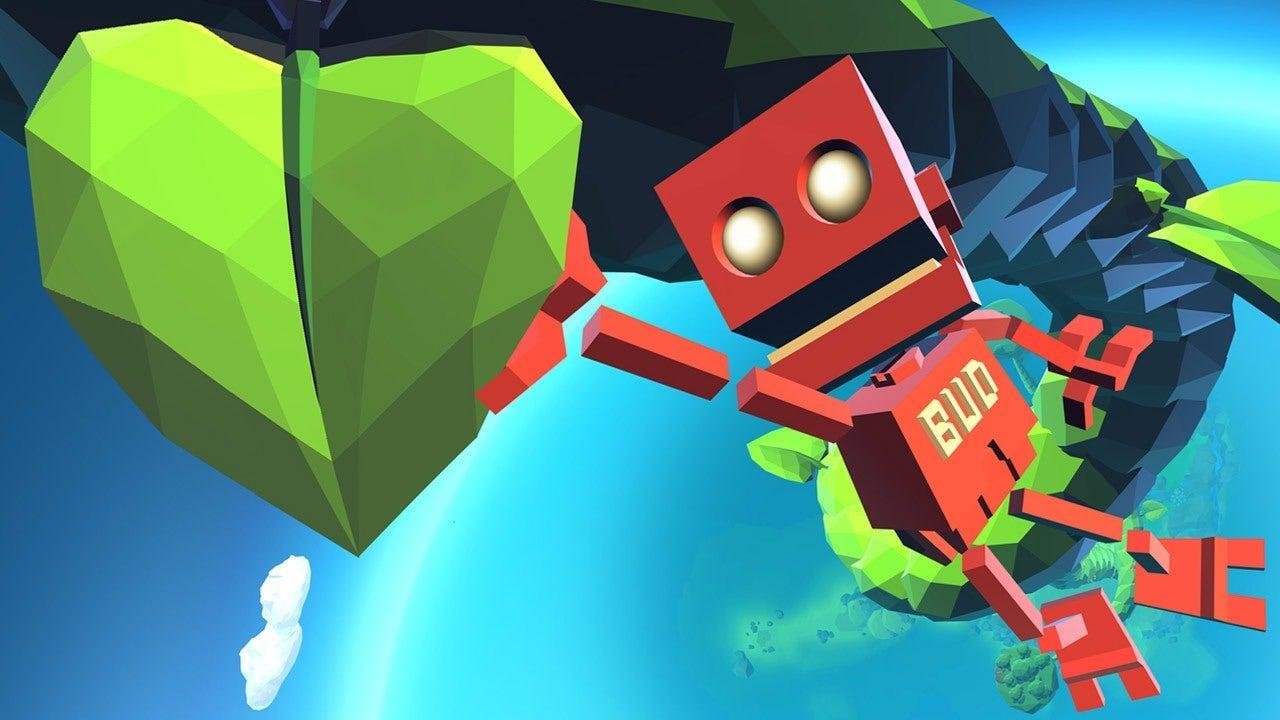
Grow Home is a distinctive cartoon platformer released in 2015 for PC, PlayStation 4, and Linux. Developed by Reflections, a subdivision of Ubisoft, this casual indie adventure game invites players to step into the shoes of B.U.D., a small robot on a critical mission to save his planet. With a Metacritic score of 75.00, the game is recognized for its unique physics-based mechanics and vertical exploration. Originally conceived as an internal project for Ubisoft employees, its engaging gameplay led to a public release, allowing a wider audience to experience its whimsical charm. The title is built on a foundation of playful interaction, where the act of climbing and gardening becomes the core of the adventure.
Story and Setting
The narrative of Grow Home takes place in a surreal, alien world characterized by a golden earth and a vast, vertical sky. The story follows B.U.D., a robot whose purpose is to restore the atmosphere of his dying home planet. To achieve this, B.U.D. must nurture a massive Star plant, growing it upwards toward the stars. The setting is an open world that encourages exploration, allowing players to discover new areas and missions as they progress. The environment is procedurally generated, ensuring that the vertical journey feels dynamic and constantly shifting. The game’s origins as an internal development project are evident in its polished design, which treats the player with the curiosity and wonder associated with a child's world.
Gameplay Mechanics in Grow Home
At the heart of the experience is a physics-driven control scheme that allows for fluid and expressive movement. Players control B.U.D. from a third-person perspective, managing his head, arms, and legs independently. B.U.D. is procedurally animated, meaning his movements are dynamic; he can roll his body to generate momentum, climb vines, and grab onto ledges with precision. The gameplay loop centers on the cultivation of the Star plant. Players must grow "Star Shoots" from the plant to create new platforms, effectively extending the path higher into the sky. These shoots act as the primary means of vertical traversal, requiring players to strategically place them to reach new locations. Additionally, the game incorporates collection mechanics where players can scan flora and fauna, with the collected data saved in an in-game diary. Players can also stash found items in a backpack to use later.
Notable Features
- Physics-Based Exploration: The game relies on a physics engine that gives the world a sense of weight and honesty. B.U.D. interacts with the environment in a "gloriously physical" way, tumbling and rolling as he navigates obstacles.
- Vertical Climbing: The core mechanic involves unbounded climbing. Players ride giant plants and use grown shoots to ascend, creating their own path through the alien world.
- Post-Game Exploration: While the main campaign is relatively short, the game opens up to a vast map upon completion. Players are encouraged to hunt down scattered seeds—football-sized lumps of green stuff—that are hidden in hard-to-reach places.
- Interactive World: The environment is alive with interaction. Seeds can roll away and even fall into the deadly sea if not caught, adding a layer of tension to the collecting process.
- Visual Style: The game features a vibrant, cartoonish aesthetic that highlights the contrast between the small robot and the towering flora.
Who It Appeals To
Grow Home appeals to a broad audience, particularly fans of platformers, exploration games, and physics-based puzzles. Its casual nature and relaxing pace make it accessible to those who enjoy a less stressful gaming experience, while the complex climbing mechanics and hidden secrets provide depth for dedicated players. It is ideal for gamers who appreciate a whimsical atmosphere and the satisfaction of physical interaction within a virtual world. Whether climbing to the stars or hunting for elusive seeds, the game offers a unique adventure that blends the innocence of a children's game with sophisticated gameplay design.