Reviewing .hack//G.U. vol. 3//Redemption: The Final Chapter
In the annals of PlayStation 2 gaming history, few titles offer a narrative conclusion as emotionally charged as .hack//G.U. vol. 3//Redemption. Released on January 18, 2007, this Action RPG serves as the definitive finale to the .hack//G.U. trilogy. For players looking to experience a story where the boundaries between virtual reality and existence itself blur, this title provides a dramatic and impactful conclusion. While the game holds a Metacritic score of 60.00, reflecting a mixed critical reception, its significance within the genre remains undeniable for fans of complex storytelling and character progression.
A Narrative of Betrayal and Dual Realities
The storyline of .hack//G.U. vol. 3//Redemption is dense and focuses heavily on the internal struggles of the protagonist, Haseo. Continuing directly where the second installment left off, the narrative takes a dark turn as Haseo faces a complex web of personal conflict. The game throws the player into a situation where trust is nonexistent; as the synopsis notes, Haseo discovers that "old enemies have returned and some friends have turned against him."
This shift in alliances forces the player to navigate a treacherous path. The stakes are raised significantly in this final volume, as the threat is no longer confined solely to the digital realm. The plot introduces a terrifying new element: a mysterious evil that once lurked only within the confines of the MMO (The World) has now begun causing havoc in the real world. The objective shifts from simple in-game survival to a desperate mission where Haseo and his friends must overcome impending doom to restore balance to both realities. This dual-world conflict is the central pillar of the game's narrative, demanding that players engage with both the fantastical elements of the game world and the grim consequences affecting the real world.
Gameplay Mechanics and the Evolution of Skeith
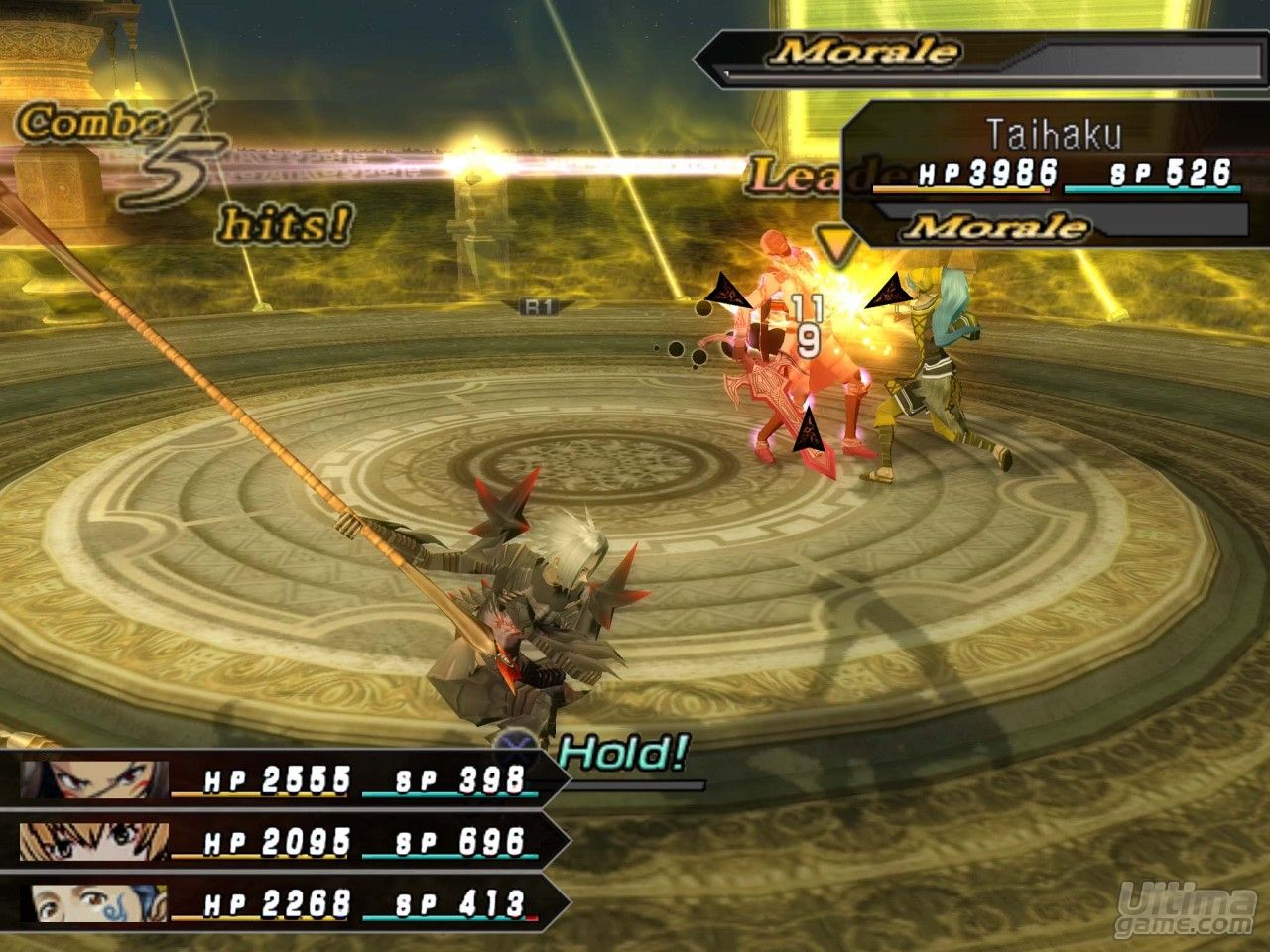
Gameplay in .hack//G.U. vol. 3//Redemption is built upon the foundation of its predecessors but introduces specific enhancements to keep the action fresh for the final leg of the journey. The core of the experience revolves around an enhanced battle system designed to meet the escalating challenges posed by the game's climax.
One of the most notable features available to the player is the ability to utilize the power of the Avatar. Throughout the campaign, players can manipulate the battle mechanics to evolve Haseo's Avatar, Skeith, into new forms. This evolution is not merely cosmetic; it is a critical gameplay mechanic. By evolving Skeith, players gain access to "more powerful attacks," allowing for a deeper strategic layer in combat encounters. This system rewards players for engaging with the progression systems, offering tangible benefits as the difficulty of the final chapters increases.
The Action RPG elements are sharpened in this volume, challenging players to master the timing and execution required to utilize these evolved forms effectively. The interface and controls are designed to facilitate this high-octane combat, ensuring that the player remains focused on the unfolding drama without being bogged down by cumbersome mechanics.
Who Should Play .hack//G.U. vol. 3//Redemption?
This title is primarily aimed at dedicated fans of the .hack franchise who require closure to the overarching narrative. It appeals strongly to players who enjoy anime-style RPGs with a heavy emphasis on lore, character development, and a sci-fi setting. The game is best suited for those who appreciate a story that deconstructs the relationship between a gamer and their digital avatar. While it may not be the entry point for newcomers to the genre due to its specific continuity, for those invested in Haseo's journey, it provides the necessary tools to face the ultimate threat facing both the game and reality.