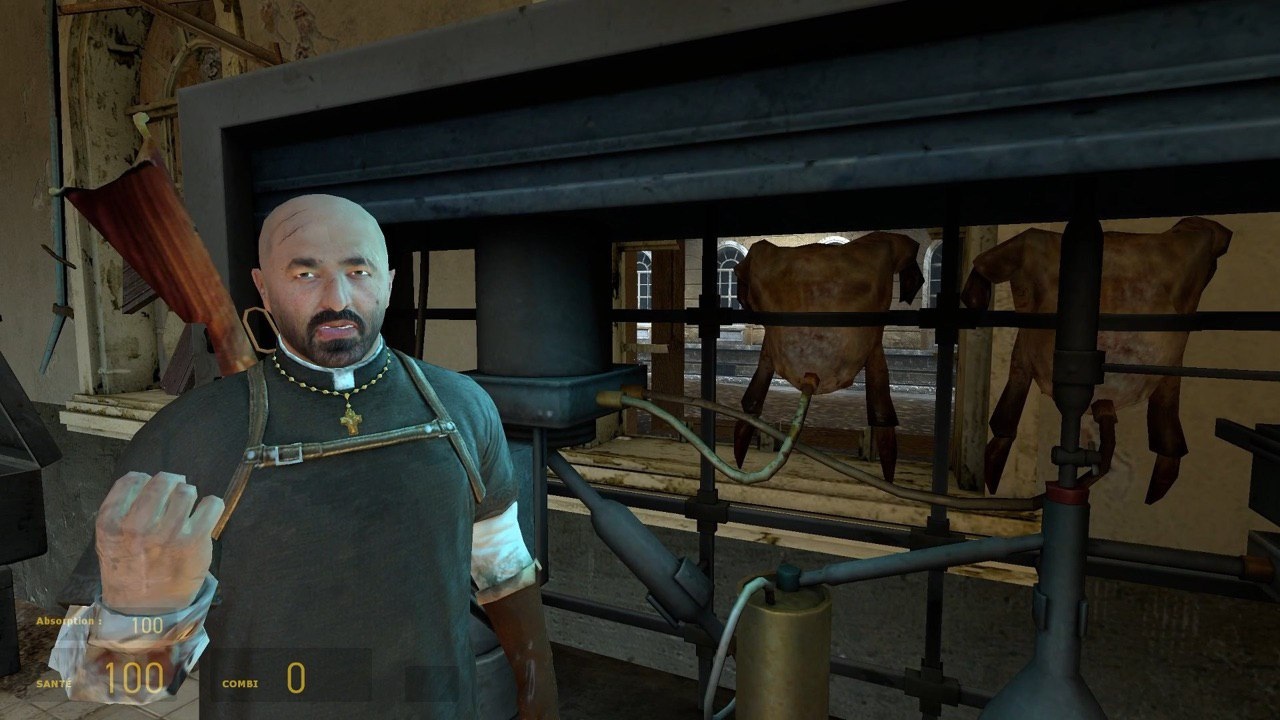
Half-Life 2: Return to Ravenholm is a legendary "what might have been" in gaming history. Originally conceived as a collaborative spin-off between Valve and Arkane Studios—the acclaimed developers behind Dishonored—this project was intended to expand the dark, atmospheric lore of the Half-Life universe. While the project eventually fell through, it remains one of the most fascinating pieces of lost media in the shooter genre.
The Lost Project: Gameplay and Setting
Set within the established framework of the Half-Life 2 universe, this title was designed as an action-heavy shooter. While a fully playable retail version never reached the public, leaked animation tests and stills have provided fans with a glimpse into the intended experience. The game was set to take place in the iconic, zombie-infested town of Ravenholm, a location already known for its intense combat and claustrophobic atmosphere.
The gameplay mechanics were expected to leverage the high-fidelity action capabilities of Arkane Studios, potentially blending the visceral physics-based combat of Valve's engine with the immersive, atmospheric world-building characteristic of the Dishonored series. Players would have navigated the decaying streets of Ravenholm, facing off against the town's terrifying undead inhabitants using a variety of weaponry and environmental interactions.
Notable Features and Legacy
- Collaborative Pedigree: A unique development partnership between Valve and Arkane Studios.
- Atmospheric Horror-Action: Deeply rooted in the survival-horror elements found within the Ravenholm chapter of Half-Life 2.
- Historical Significance: Widely regarded by the gaming community as one of the most significant "canned" or cancelled projects in FPS history.
- Visual Previews: Accessible through leaked animation tests and developer stills that showcase early development progress.
Who This Game Appeals To
Half-Life 2: Return to Ravenholm is a must-study for gaming historians, fans of the Half-Life franchise, and enthusiasts of atmospheric shooters. It appeals specifically to those interested in "lost" game development history and players who admire the intersection of Valve's physics-driven gameplay and Arkane Studios' mastery of immersive environments.
Though it never saw a formal release, the project continues to captivate the community through leaked footage, serving as a testament to the creative ambitions shared between two of the industry's most influential developers. For fans of PC action titles and deep-lore expansions, the remnants of this project offer a haunting look at an alternate timeline for one of gaming's greatest franchises.