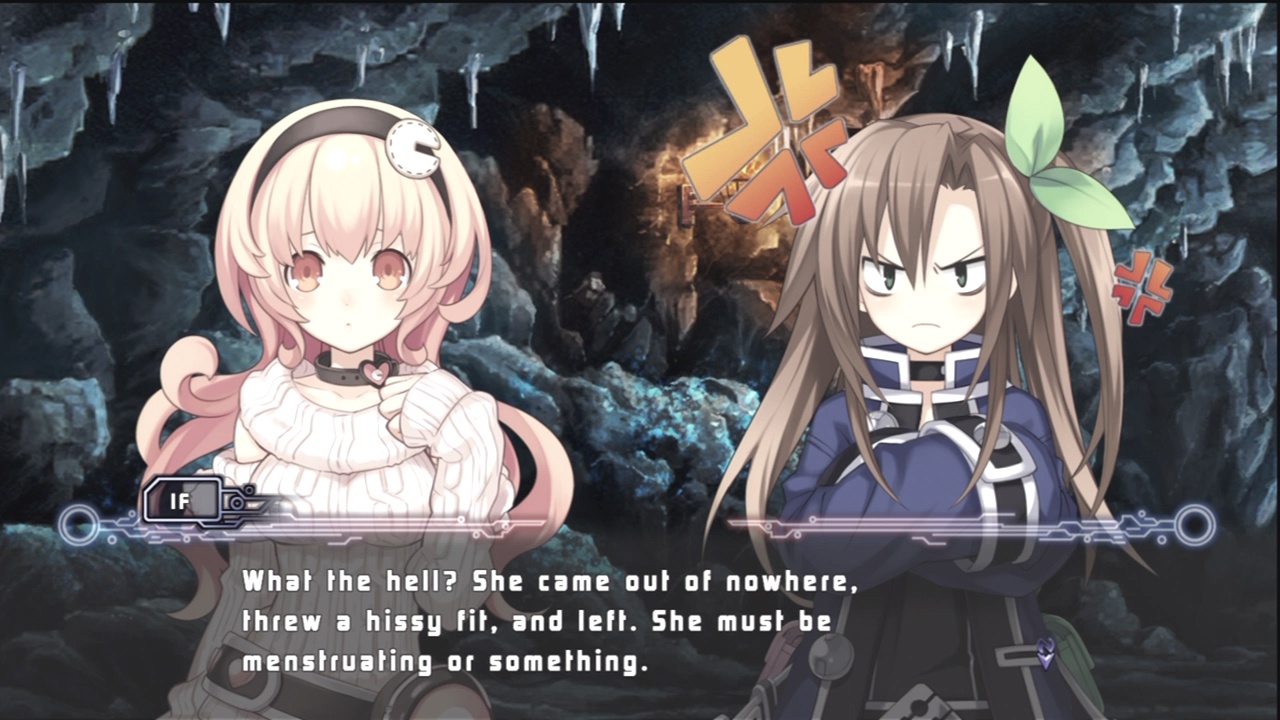
Hyperdimension Neptunia stands as a distinctive entry in the realm of Japanese role-playing games, originally released for the PlayStation 3 on August 19, 2010. Developed by Compile Heart and published by NIS America, this title introduces players to a vibrant, meta-fictional world where the gaming industry itself is personified through anthropomorphic goddesses. As one of the foundational works of the franchise, it sets the stage for a unique blend of character-driven comedy and traditional RPG mechanics, establishing a lore that would expand significantly in subsequent titles.
Story and Setting Overview
The narrative unfolds in Gamindustri, a world divided into four distinct land masses, each governed by a CPU (Console Patron Unit) who serves as the guardian goddess. These regions include Planeptune, the Land of Purple Progress protected by Neptune; Lastation, the Land of Black Regality under Black Heart (Noire); Lowee, the Land of White Serenity guarded by White Heart (Blanc); and Leanbox, the Land of Green Pastures protected by Green Heart (Vert). Above the mortal realm, these goddesses wage a constant war to determine the true goddess, a cycle of conflict that brings chaos to the world below.
The story begins when Neptune, after being overwhelmed by her rivals, plummets into Gamindustri. There, she encounters Historie, a spirit who has watched over the world since its creation. Historie, distressed by the divisions among the goddesses, asks for Neptune's help to restore balance. Compared to later entries in the series, the original Hyperdimension Neptunia is noted for having a deeper and more complex narrative structure that drives the adventure forward.
Hyperdimension Neptunia Gameplay Mechanics
As a JRPG, Hyperdimension Neptunia employs a battle system that rewards strategic party management and resource allocation. The gameplay pacing draws comparisons to titles like Disgaea, offering a relaxing yet engaging grind that allows players to deepen their characters' abilities over time. The combat revolves around navigating the four lands, battling enemies that threaten the peace, and utilizing the unique powers of the CPUs.
The game features a functional combat loop where players must adapt to various challenges across Planeptune, Lastation, Lowee, and Leanbox. While the battle mechanics are adequate and serve the formula well, the experience is defined as much by the character interactions as the tactical encounters. The system supports the narrative's focus on the goddesses' distinct personalities and their roles in maintaining the world's stability.
Notable Features and Platform Availability
- Meta-Narrative Humor: The game is renowned for its clever satire of video game culture, featuring cute girls based on real-world console personalities competing for market share in a fictional industry.
- Character Comedy: Extensive focus on the relationships between the CPU candidates and their human counterparts, delivering a lighthearted tone that balances the underlying plot.
- Four Distinct Regions: Exploration of Planeptune, Lastation, Lowee, and Leanbox provides diverse environments tied to the lore of each goddess.
- Platform Availability: Hyperdimension Neptunia was released physically for the PlayStation 3. Players looking to experience this classic JRPG can find it via physical disk, typically available within the secondary market.
Who It Appeals To
Hyperdimension Neptunia appeals primarily to fans of traditional JRPGs who appreciate a strong emphasis on character development and world-building. The game is ideal for players who enjoy meta-humor and satire within the gaming industry, as well as those interested in stories where the stakes involve the fate of a fictional media landscape. The title also attracts audiences who favor character comedy and the "moe" aesthetic, offering a nostalgic look at a pivotal moment in the franchise's history before later entries refined its mechanics.