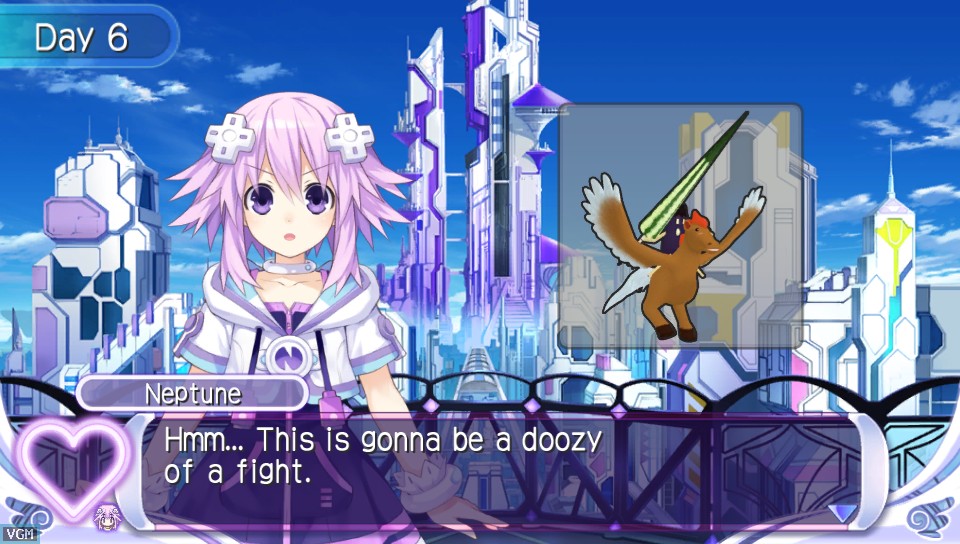
In the ever-shifting landscape of console spinoffs, Hyperdimension Neptunia PP: Producing Perfection steps into the spotlight as a unique blend of idol management and arcade action. Released exclusively for the PlayStation Vita, this title takes the beloved goddesses of Gamindustri and places them in the entertainment industry, tasking the player with guiding their rise to stardom. Rather than focusing solely on traditional role-playing combat, the game shifts the spotlight to talent management, concert production, and character development, offering a distinct experience within the franchise.
Story and Setting Overview
The narrative begins when a sudden cultural shift sweeps through Gamindustri. The world becomes increasingly enamored with pop idols, causing the very source of the goddesses' power, known as Shares, to rapidly vanish. Faced with the threat of being forgotten, Neptune and her companions make a bold decision: they summon a talented idol producer, played by the user, to train them for a career in the spotlight. As the producer, you navigate PR events, manage schedules, and build relationships with each goddess. The story leans heavily into the series' signature self-aware tone, using the idol industry as a backdrop to explore themes of fame, relevance, and the gaming world itself. While the plot provides a lighthearted framework, the true emotional core lies in the personal routes and character interactions that unfold during downtime.
Gameplay and Genre Mechanics of Hyperdimension Neptunia PP: Producing Perfection
Categorized as an arcade and action title with simulation elements, the gameplay loop revolves around training, stat management, and live performance. Players guide their chosen idols through rigorous practice sessions, PR appearances, and casual hangouts to boost their stats and unlock new abilities. The concert sequences break away from traditional rhythm game conventions. Instead of simple button-timing, players act as the stage manager, utilizing camera angles, stage directions, and special effects to energize the crowd. Success depends on strategic planning during the management phase and precise timing during live shows. While some reviewers have noted that the management layer can feel somewhat thin for those seeking deep simulation mechanics, the concert gameplay offers a distinctive, hands-on approach to idol production.
Platform Availability and Release
Hyperdimension Neptunia PP: Producing Perfection was developed exclusively for the PlayStation Vita, launching on June 20, 2013. As a handheld-exclusive title, it was designed to take advantage of portable play, allowing fans to manage their idols and attend concerts on the go. The game remains a single-player experience, focusing entirely on the producer-idol relationship without multiplayer or network-dependent features.
Notable Features
- Meta-Narrative Integration: The game continues the franchise's tradition of breaking the fourth wall, offering sharp commentary on gaming culture and the idol industry.
- Unique Concert Management: Rather than relying on standard rhythm mechanics, players manipulate camera work, stage effects, and directional cues to maximize crowd excitement.
- Character-Driven Routes: The title emphasizes spending time with individual goddesses, unlocking personal stories and relationships that reward dedicated management.
- Stat Training System: Players must carefully balance PR events, practice sessions, and rest days to optimize idol growth and performance outcomes.
Who It Appeals To
This title is primarily designed for dedicated fans of the Hyperdimension Neptunia series who want to explore their favorite characters in a new context. While it may not satisfy players looking for a deeply complex idol simulation or a polished rhythm game, it excels as a character-focused experience. Those who appreciate meta-humor, visual novel-style storytelling, and a more strategic approach to concert production will find the most value here. It serves as a lighthearted, narrative-driven diversion that highlights the charm of the cast, even if the core management systems remain relatively straightforward.