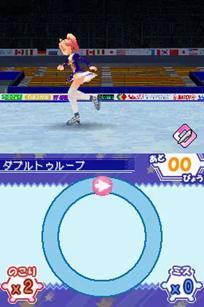
KuruKuru Princess: Tokimeki Figure☆Mezase! Vancouver stands as a distinctive entry in the Nintendo DS library, offering players a dedicated simulation and sports experience centered on the art of figure skating. Developed and published by Spike, this title was released in Japan on December 10, 2009, inviting fans to immerse themselves in the world of competitive athletics through a unique blend of gameplay mechanics and character-driven storytelling. As the third installment in the Kurukuru Princess series, also known as the Imagine Ice Championships or Spinning Princess franchise, the game refines the formula established by its predecessors, focusing heavily on the technical and emotional aspects of pursuing a dream on ice.
KuruKuru Princess: Tokimeki Figure☆Mezase! Vancouver Story and Setting
The narrative is set against the backdrop of the prestigious Winter Games, with the action taking place in Vancouver. Players follow the journeys of aspiring figure skaters, including dedicated athletes such as Ayaka, Luna, and Kim. The story weaves together on-ice performance and off-ice drama, emphasizing the personal growth and relationships that define a skater's career. Through a mix of competitive events and narrative segments, the game explores themes of friendship, rivalry, and dedication. With a CERO A rating, indicating content suitable for all ages, the story remains wholesome and focused on the thrill of competition, devoid of any violent elements.
Notable Features and Gameplay Mechanics
KuruKuru Princess: Tokimeki Figure☆Mezase! Vancouver distinguishes itself through a combination of authentic sports simulation and charming character interactions. The gameplay offers a diverse range of features designed to appeal to fans of both athletics and visual novels.
- Professional Sport Nomenclature: The game utilizes authentic terminology related to figure skating, providing an educational layer for players interested in the technical vocabulary of the sport.
- Mini-Games and Challenges: Core gameplay revolves around a series of mini-games that test timing, rhythm, and precision, simulating the pressure of executing complex routines.
- Visual Novel Sidequests: Players can engage in text-heavy side missions that expand the lore, revealing character backgrounds and motivations that fuel their competitive drive.
- Cute Character Design: True to the series' aesthetic, the game features "kawaii" character art, appealing to fans of simulation hybrids with a focus on personality and development.
- Character Progression: The visual novel elements are integral to progression, allowing players to unlock potential and understand the rivalries that define the circuit.
Platform Availability and Release Details
KuruKuru Princess: Tokimeki Figure☆Mezase! Vancouver was released exclusively in Japan on December 10, 2009. The game is compatible with the Nintendo DS and DS Lite handheld consoles, as well as other systems in the DS family. While the original release is a Japan-exclusive title, it is designed to function on hardware sold worldwide, though the text and audio are in Japanese. For collectors and enthusiasts, the game is cataloged under the Nintendo DS software code NTR-P-BQPJ. The game has garnered attention from the preservation community, with fan translation projects working to make the storylines of characters like Ayaka and Luna accessible to a global audience.
Who It Appeals To
This title is specifically tailored for a niche audience of Nintendo DS collectors and fans of Japanese simulation games. It appeals to players who enjoy the intersection of sports mechanics and character development, particularly those with an interest in figure skating or the visual novel genre. The game is ideal for fans of the Kurukuru Princess series, as well as those who appreciate detailed mini-game collections wrapped in a wholesome, non-violent package. The inclusion of professional terminology also makes it an interesting curiosity for players seeking authentic sports representations within a simulation context, offering a unique experience that balances technical challenge with narrative depth.