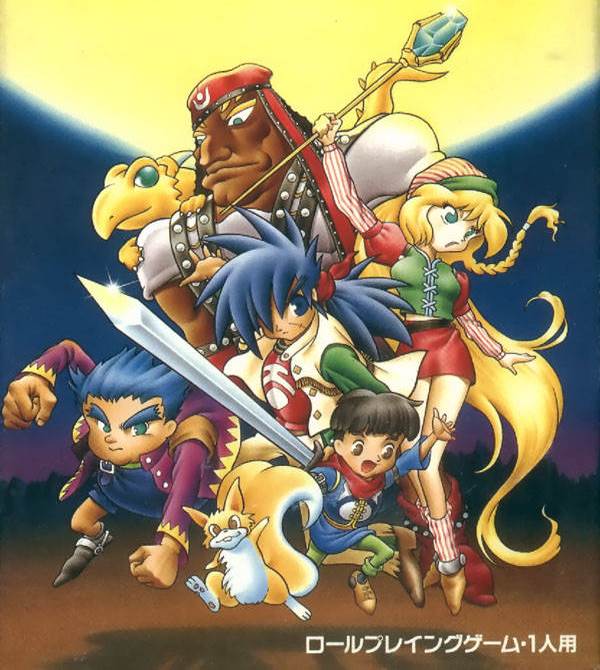
Overview of Last Bible III
Last Bible III stands as the third installment in the four-part Last Bible franchise, marking a significant shift in the series' history as the first entry to depart from portable hardware. Released for the Super Nintendo Entertainment System on March 4, 1995, this title expanded the scope of the franchise while retaining the core identity that established it. While the earlier entries focused on handheld experiences, this SNES release brought a more substantial presentation to a beloved formula, earning recognition among dedicated RPG collectors and enthusiasts.
Genre and Core Gameplay Mechanics
Rooted firmly in the role-playing genre, Last Bible III is a spin-off of the expansive Megami Tensei franchise. While the game presents a typical-RPG medieval setting that heavily echoes classic Dragon Warrior titles, its mechanical foundation remains distinctly tied to its parent series. Players are introduced to a unique monster-battling system where communication is paramount. Rather than simply defeating enemies in combat, players can converse with monsters to recruit them directly into their party. Once integrated, these demons can be fused together to create more powerful entities, a core progression mechanic that encourages strategic team building and experimentation.
Story and World Setting
The narrative unfolds within a medieval fantasy landscape that is deeply intertwined with the demon realm, a staple of the broader Megami Tensei universe. Players will encounter a familiar roster of demons while navigating a plot that demands careful decision-making. Contrary to its playful and whimsical exterior, the storyline proves to be remarkably mature. The English translation deliberately avoids toning down the original language, preserving the intensity and complexity of the narrative for players who appreciate depth beneath a lighthearted surface.
Platform Availability and Notable Features
- Hardware Focus: Released for the SNES on March 4, 1995, marking the first departure from portable hardware in the series.
- Expanded Presentation: The move away from portable systems allowed for enhanced audio and visual fidelity compared to its Game Boy predecessors.
- Translation Approach: Maintains the original script's unfiltered tone, offering a faithful experience rather than a censored adaptation.
- Gameplay Depth: Combines accessible combat with complex demon fusion mechanics that reward long-term planning.
By stepping outside the constraints of portable gaming, Last Bible III delivered a more robust experience that stands alongside other notable titles like Paladins Quest and Tecmo Secret of the Stars in the eyes of retro gaming communities. The expanded platform capacity allowed the developers to refine the formula without sacrificing the series' defining identity.
Who Last Bible III Appeals To
This title is specifically crafted for players who appreciate classic JRPG mechanics blended with supernatural lore. Fans of the Megami Tensei series will immediately recognize and appreciate the familiar demon recruitment and fusion systems, while newcomers to the franchise will find an accessible entry point into monster-collecting gameplay. It is particularly recommended for those seeking a more narrative-driven experience that balances whimsical presentation with mature storytelling. Enthusiasts of SNES-era RPGs, collectors of niche Japanese releases, and players who enjoy comparing different monster-battling franchises will find this installment a rewarding addition to their library.