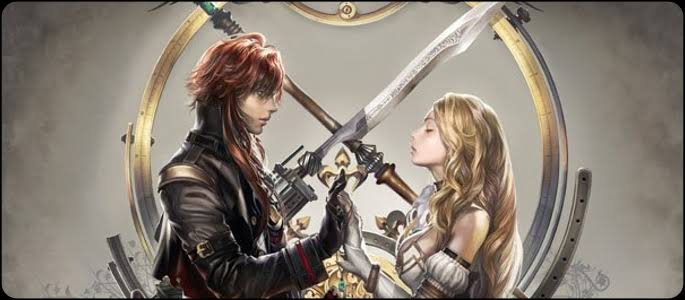
Last Rebellion is a role-playing game developed by HitMaker and released for the PlayStation 3 in 2010. As one of the first titles from HitMaker to transition from handhelds to the console market under the Nippon Ichi banner, the game attempts to deliver a distinct experience through its mechanical design. While the title offers a unique combat framework, it occupies a niche position within the RPG library, appealing primarily to players who prioritize experimental gameplay systems over polished production values.
Story and World of Last Rebellion
The narrative is set in a realm where the balance between two deities governing life and death has been shattered. This disruption causes the dead to rise as undead demons that plague the land. Players control Nine, a Blade, and Aisha, a Sealer, both of whom have been blessed by Meiktilia, the goddess of death. Their quest is to exact revenge on Alfred, Nine's younger brother, for the assassination of their father and the king. A defining element of the plot involves Nine and Aisha sharing a single body, a condition that serves as a core mechanic in the gameplay and drives the story's emotional dynamics.
Gameplay Mechanics and Combat
Unique Limb-Targeting System
The most distinctive feature of Last Rebellion is its battle system. Combat revolves around a limb-targeting mechanic where players must strategically select specific appendages to attack. Each enemy possesses multiple limbs, and determining the correct order of strikes is essential for success. Battles can involve several opponents simultaneously, requiring players to manage complex sequences of attacks across numerous targets. This system provides a tactical depth that distinguishes the game from standard turn-based RPGs, offering a clever and methodical approach to combat that rewards careful planning.
Difficulty and Campaign Length
The game presents a variable difficulty curve. Early sections and specific dungeon areas can be exceptionally challenging, with significant spikes in difficulty that test the player's mastery of the combat mechanics. However, as the campaign progresses, the game becomes notably easier, with later dungeons described as accessible. The total playthrough time is brief, with the main content typically consumable in under fifteen hours. The release contains no downloadable content.
Visuals, Audio, and Technical Features
- Graphics: The visual presentation has been characterized as resembling titles from the previous console generation. While textures are of decent resolution, they are often criticized for appearing bland and lifeless. Character models have drawn negative attention regarding their design and execution.
- Interface: Navigation can be difficult due to complex environments. The in-game map requires a high-definition display to be legible; the text is difficult to read on standard definition televisions.
- Audio: The soundtrack and voice acting have faced criticism for their quality, with the music described as unappealing and the acting failing to enhance the narrative.
- Achievements: The game includes a Platinum trophy that is widely regarded as straightforward to unlock.
Who Should Play Last Rebellion?
Last Rebellion appeals to a specific segment of the RPG audience. It is recommended for players who are fascinated by experimental combat systems and wish to experience a unique limb-targeting mechanic. Hardcore RPG fans who enjoy dissecting battle mechanics may find value in the game's clever combat design. Conversely, the title is less suitable for those prioritizing polished visuals, a balanced difficulty curve, or a compelling narrative. The short campaign length and technical shortcomings mean that prospective players should manage expectations regarding production values and story depth.