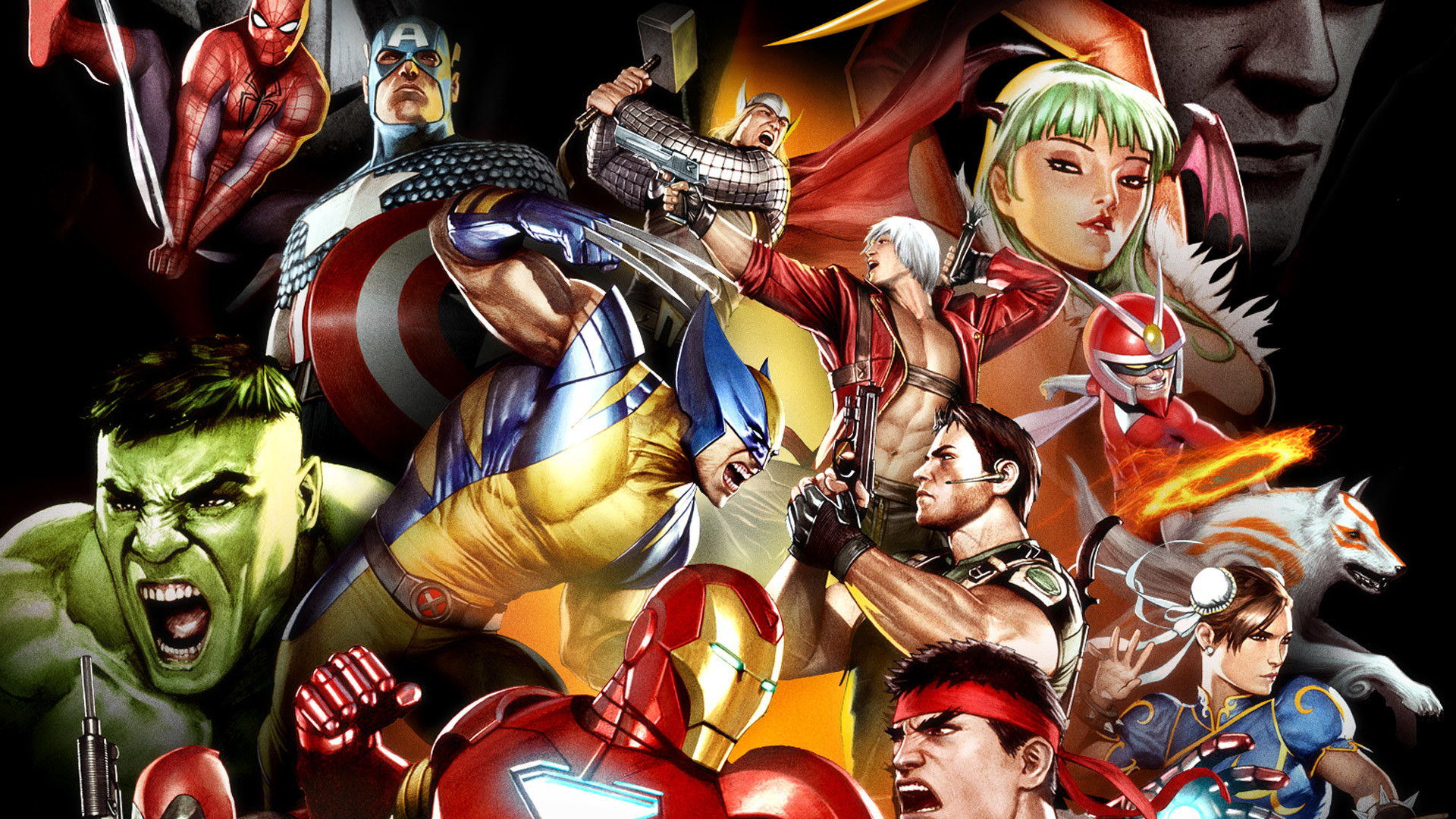
After an eleven-year hiatus following the legendary 1999 hit Marvel vs. Capcom 2: New Age of Heroes, Capcom returned to the fighting game frontier with Marvel vs. Capcom 3: Fate of Two Worlds. Released on February 15, 2011, for the PlayStation 3, this installment marked a massive technical shift for the franchise, moving away from traditional 2D sprites in favor of fully realized three-dimensional character models. As a crossover title, it brings together iconic legends from Marvel Comics and Capcom's most beloved video game franchises for high-octlamic, over-the-top combat.
Fast-Paced 3v3 Combat Mechanics
At its core, Marvel vs. Capcom 3: Fate of Two Worlds remains a high-speed, 3v3 tag-team fighter. Players assemble a squad of three characters, utilizing various "Crossover Assists" to call in partners or tagging out to manage health. The game is famous for its "Hyper Combos"—devastating super moves that can be unleashed individually, as a "Team Hyper Combo" (using members one after another), or even as a "Crossover Hyper Combo" (triggering all three simultaneously) for maximum destruction.
While the series' DNA remains intact, this entry introduced significant changes to the control scheme, drawing inspiration from Tatsunoko vs. Capcom. The game utilizes a simplified four-button attack system consisting of Light, Medium, Heavy, and Special attacks. While some purists argued these streamlined controls made the game easier to play, many welcomed the change as it lowered the barrier to entry for new players without sacrificing the depth required for competitive play.
Innovative New Systems
To keep the gameplay fresh and unpredictable, several new mechanics were introduced to the Marvel vs. Capcom formula:
- Aerial Exchange: A high-stakes "rock-paper-scissors" mechanic used during air combos. Depending on the direction held while pressing the special button, players can deal more damage (Up), drain an opponent's meter gauge (Side), or gain a meter gauge for themselves (Down).
- X-Factor: A powerful comeback mechanic that buffs a character's speed and damage output while regenerating red health. The potency of this buff increases dramatically as your team dwindles; it is at its most potent when you have only one character remaining.
- Extended Combos: The introduction of "Off the Ground" (OTG) hits and wall bounces allows players to extend combos further than ever before, creating visually stunning and complex offensive sequences.
A Clash of Two Universes
The setting and roster of Marvel vs. Capcom 3: Fate of Two Worlds serve as a love letter to fans of both genres. The game features an expansive cast of characters, bringing together superheroes and gaming icons in a shared arena. This collision of worlds creates a unique atmosphere where the physics-defying action of Marvel meets the technical precision of Capcom's fighting legends.
Who is this game for?
With a Metacritic score of 84.00, the game was a commercial and critical success, shipping over 2 million units shortly after its debut. It appeals to a wide variety of players:
- Fighting Game Veterans: Those who crave high-execution gameplay, complex combo strings, and deep meter management will find endless depth in the X-Factor and aerial exchange systems.
- Casual Fans: The simplified button layout and accessible mechanics make it an excellent entry point for those new to the genre or fans of the Marvel and Capcom universes.
- Competitive Enthusiasts: The addition of wall bounces and OTG mechanics provides a high skill ceiling for those looking to master the art of the 3v3 tag system.
Available on the PlayStation 3, Marvel vs. Capcom 3: Fate of Two Worlds stands as a landmark title in fighting game history, blending nostalgia with modern innovation.