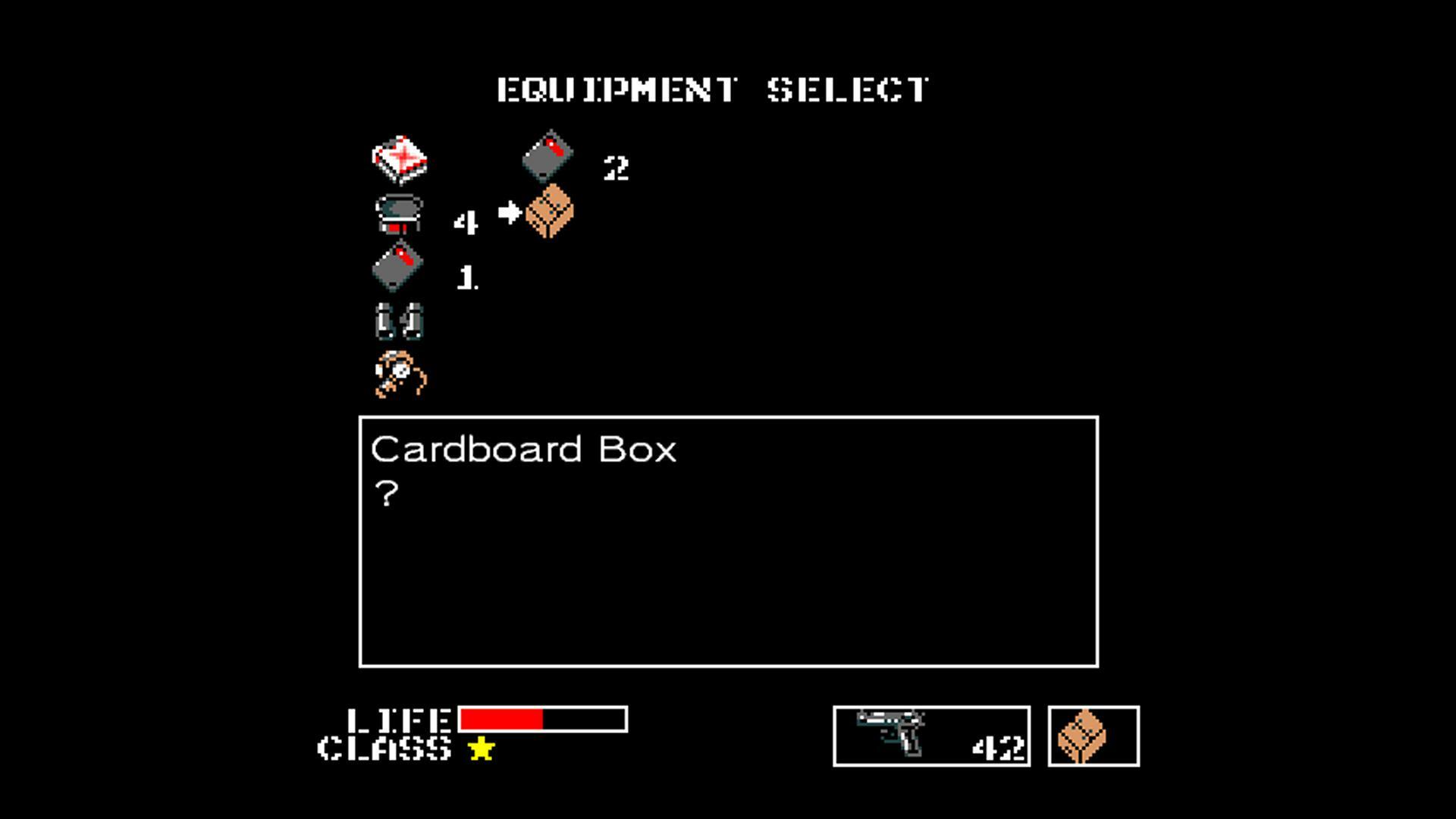
Released in 1987, METAL GEAR stands as a groundbreaking title that launched one of the most influential franchises in video game history. Developed by Hideo Kojima for the MSX2 home computer system, this stealth-action game redefined the war genre by challenging players to prioritize evasion over direct combat. Kojima, drawing inspiration from the film The Great Escape and constrained by the hardware's limited sprite capacity, crafted an experience where surviving is just as important as winning.
The Mission in Outer Heaven
The narrative centers on the fictional region of Outer Heaven, a heavily armed territory located in the depths of southern Africa. Within this hostile zone, a terrifying weapon known as METAL GEAR is being developed. Players assume the role of Solid Snake, a member of the elite secret army FOX HOUND. Snake's primary objective is to infiltrate this fortified enemy stronghold and destroy the superweapon before it can be deployed. The urgency of the mission is driven by the directive sent to the agent: "GO AHEAD SOLID SNAKE!"
Gameplay Mechanics and Stealth Innovation
METAL GEAR introduced core mechanics that would define the stealth genre for decades to come. Due to technical limitations that restricted the number of enemies and projectiles visible on screen, Kojima designed a gameplay loop where avoiding combat was the optimal strategy. Players must navigate through levels filled with guards and sensors, utilizing tactics to bypass detection rather than engaging in firefights. This approach forced players to think strategically, using the environment and timing to their advantage.
- Infiltration Strategy: The game emphasizes silent movement and observation, allowing players to identify patrol patterns and weaknesses in security.
- Hardware Constraints: The limited sprite count necessitated a design where stealth was not just a mechanic but a necessity, creating a unique tension compared to standard shooters of the era.
- Boss Encounters: The mission culminates in a confrontation with the titular METAL GEAR, establishing the franchise's tradition of fighting massive mechanical threats.
Platform Availability and Ports
The original release of METAL GEAR arrived on the MSX2 computer system in 1987. Following its success, the game saw several other releases, though with varying degrees of fidelity to Kojima's vision.
- MSX2: The original platform where Kojima completed the game, offering the authentic experience intended by the developer.
- NES: A port released without Kojima's knowledge or consent. This version was developed by a separate team under a tight three-month window, resulting in significant changes, including the replacement of the Metal Gear boss with a supercomputer.
- Commodore 64 and MS-DOS: Subsequent ports to these platforms were based on the NES version and were widely considered shoddy and difficult to play.
- PS3: The game was later re-released as part of the HD Edition, allowing modern audiences to experience the classic title.
The Legacy of METAL GEAR
Although the NES port became the most recognizable version in North America for many years, the original MSX2 release remains the canonical foundation of the series. METAL GEAR appealed to gamers looking for a deeper, more cerebral approach to conflict than the action-heavy titles common in the late 1980s. For players interested in the roots of tactical espionage, the game offers a fascinating look at how hardware constraints can drive innovation. It laid the groundwork for the tactical espionage adventures that followed, cementing its status as a seminal work in gaming culture.