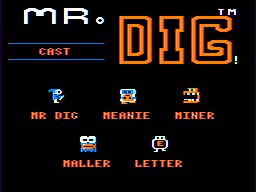
Mr. Do! stands as a seminal entry in the history of arcade gaming, originally developed by Universal in 1982. Often compared to Namco's Dig Dug, this title carved out its own legacy as one of the most underappreciated classic arcade games of its era. The game introduced a unique mechanical twist to the genre and holds a special place in arcade history as one of the first titles released as a conversion kit, allowing existing cabinets to be updated with this new experience. While the original arcade version debuted in 1982, the game's extensive porting history includes a significant release date of June 23, 1995, marking the availability of home console iterations that brought the fun to a wider audience.
Gameplay and Core Mechanics
At its heart, Mr. Do! is a maze game where players control a character digging through the ground to collect cherries and score points. The objective is to amass the highest score possible while navigating the shifting tunnels. The gameplay loop involves digging paths to reach cherries, causing them to fall into the player's cart, and avoiding enemies that pursue the player through the maze. Although the game shares a superficial resemblance to Dig Dug, it operates on distinct principles. The character digs tunnels to drop fruit, whereas the mechanics differ significantly in movement and interaction. Confusing the two is common, but Mr. Do! offers a unique experience centered on physics-based cherry collection and precise tunneling strategies.
Story and Character Setting
The narrative context of Mr. Do! is whimsical and straightforward. The protagonist is depicted as a circus clown, adding a layer of charm to the arcade action. This character design contrasts with the original Japanese version, where the hero appears as a snowman. The setting revolves around the challenge of traversing the ground to gather harvest, fitting the circus theme with the cherry collection mechanic. This visual distinction highlights the cultural adaptations made during the game's localization and development phases.
Platform Availability
Following its arcade success, Mr. Do! was ported to a diverse array of home video game consoles and computer systems. The game reached players on platforms such as the Game Boy, SNES, Commodore and Amiga systems, as well as Atari hardware including the Atari 2600 and Atari 8-bit. The release date of June 23, 1995, is associated with the game's availability in the home market, ensuring that fans could experience the title long after its arcade heyday. Additionally, the game was remade in Japan as Neo Mr. Do!, further extending its lifecycle.
Key Historical Achievements of Mr. Do!
- Conversion Kit Pioneer: Mr. Do! was one of the first arcade games to be released as a conversion kit. Taito Corp. published this kit in Japan, allowing arcade operators to upgrade existing cabinets, a practice that was innovative for the time.
- Commercial Success: The game was a commercial hit, selling 30,000 units in the United States alone.
- Arcade Show Icon: It became a popular choice on the 1983 video arcade-based game show Starcade, cementing its status in pop culture.
- Legacy: As the first game in the Mr. Do series, it laid the foundation for future iterations and remains a respected title among retro gaming enthusiasts.
Who Should Play Mr. Do?
This game appeals strongly to retro gaming fans and those interested in the evolution of arcade mechanics. Players who enjoy maze games and strategy will appreciate the depth of tunneling and timing required to collect cherries efficiently. While newcomers might initially draw parallels to Dig Dug, the distinct gameplay of Mr. Do! offers a refreshing challenge for anyone looking to explore classic arcade titles that deserve recognition. It is a must-play for collectors and historians interested in the era of Universal and the impact of conversion kits on the arcade industry.