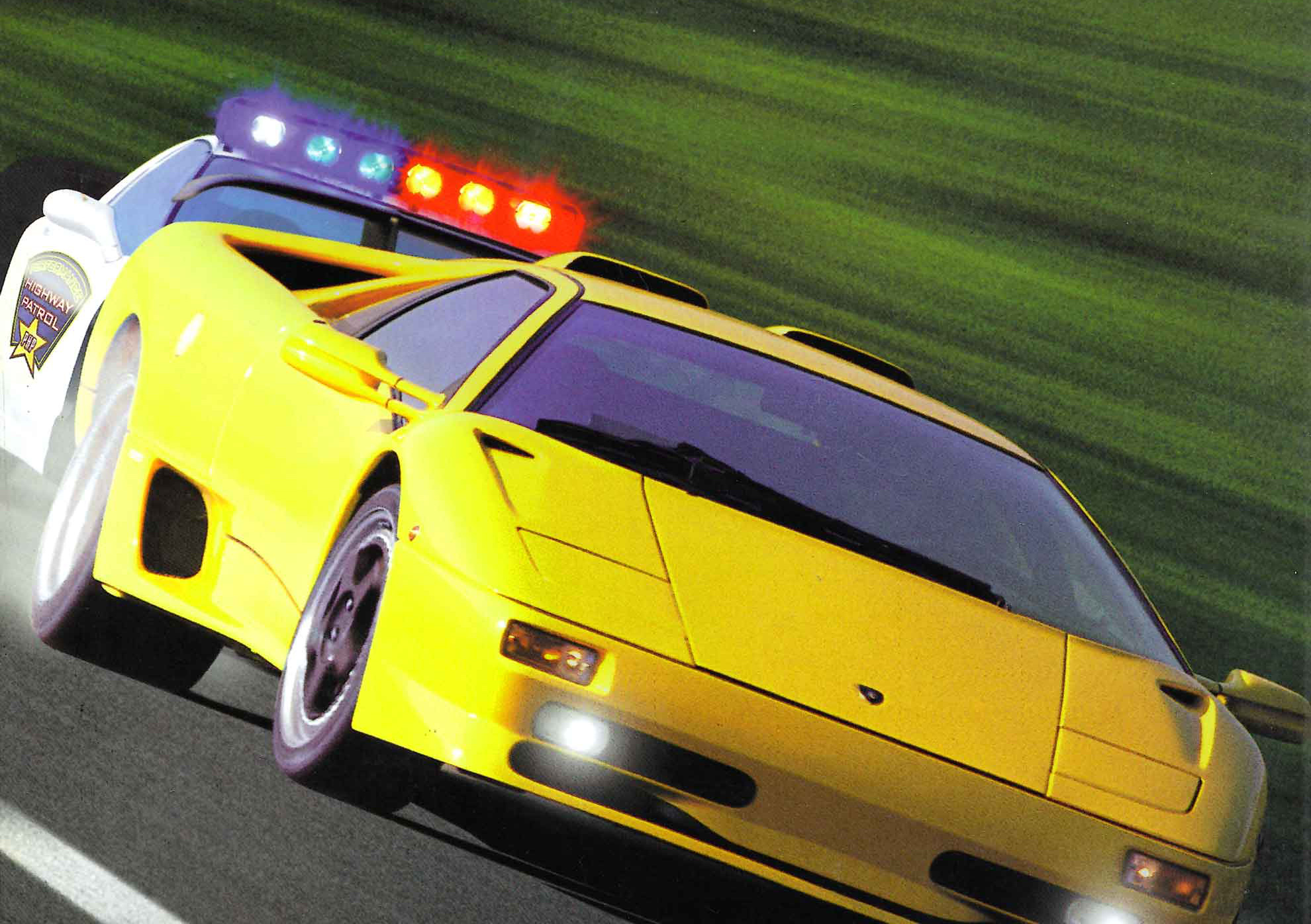
Released in 1998, Need for Speed III: Hot Pursuit stands as a landmark title in the racing genre, marking the third major installment in Electronic Arts' legendary franchise. Known for significantly integrating high-stakes police chases into its core gameplay, the title delivers an intense, arcade-style experience that centers on the thrill of driving exotic sports cars through varied North American landscapes. With its impressive visual fidelity for the era and a refined AI system, it remains a definitive entry for fans of competitive, high-speed racing.
High-Octane Gameplay and Racing Modes
The gameplay of Need for Speed III: Hot Pursuit is defined by two distinct categories of competition. While the series has always focused on the prestige of driving high-end vehicles, this installment pushes the boundaries of tension through its eponymous "Hot Pursuit" mode. In this mode, players face off against an opponent on tracks heavily populated by law enforcement. The goal is simple yet demanding: cross the finish line without incurring enough tickets to be sent to virtual jail.
Beyond the pursuit-centric modes, the game offers a variety of traditional racing formats that provide depth and replayability:
- Single Race: A straightforward one-off race against computer-controlled opponents.
- Knockout: A high-pressure elimination mode where the driver who finishes in last place is removed from the competition.
- Tournament: An eight-round championship where drivers earn points based on their finishing positions to climb the leaderboard.
- Hot Pursuit: The signature mode featuring intense police intervention and tactical driving.
The PC version of the game even offers a unique "role reversal" variation, allowing players to take control of a police vehicle with the objective of capturing up to six racers before they can finish the race.
A Visual Masterpiece of the Late 90s
At its launch, Need for Speed III: Hot Pursuit was celebrated as one of the most visually stunning racing games available. The attention to detail in the environments and vehicle rendering set a new standard for the genre. Players can experience realistic weather effects, such as rain that creates reflections on wet surfaces and spray kicked up by following cars. The lighting mechanics are particularly noteworthy, with headlights realistically illuminating the road during night-time circuits.
The game features a highly desirable roster of licensed vehicles, categorized into three distinct classes to provide different racing tiers. Notable cars include:
- Lamborghini Diablo and Countach
- Ferrari 355 F1 and 550
- Jaguar XJR-15 and XK8
- Aston Martin DB7
- Mercedes SL600 and CLK GTR
- Specialized police pursuit vehicles, such as the Corvette C5
Advanced AI and Technical Features
A major leap forward for this installment is the significantly improved police AI. Law enforcement officers do not merely follow the player; they utilize sophisticated tactics, including attempting to bump drivers off the road and setting up strategic roadblocks. To assist players in navigating these threats, a "scanner" feature provides real-time police radio chatter, allowing drivers to anticipate incoming maneuvers from the authorities.
The game was released for PlayStation in March 1998, followed by an enhanced port for Microsoft Windows in late 1998. The PC version is particularly notable for its technical flexibility, supporting LAN and TCP/IP multiplayer, as well as a robust modding community that allows players to introduce custom tracks and vehicles into the game.
With its blend of prestigious automotive culture and adrenaline-fueled law enforcement evasion, Need for Speed III: Hot Pursuit appeals to hardcore racing enthusiasts and fans of arcade-style combat racing alike. It remains a highly regarded classic, celebrated for its atmosphere, technical achievement, and the sheer intensity of its pursuits.