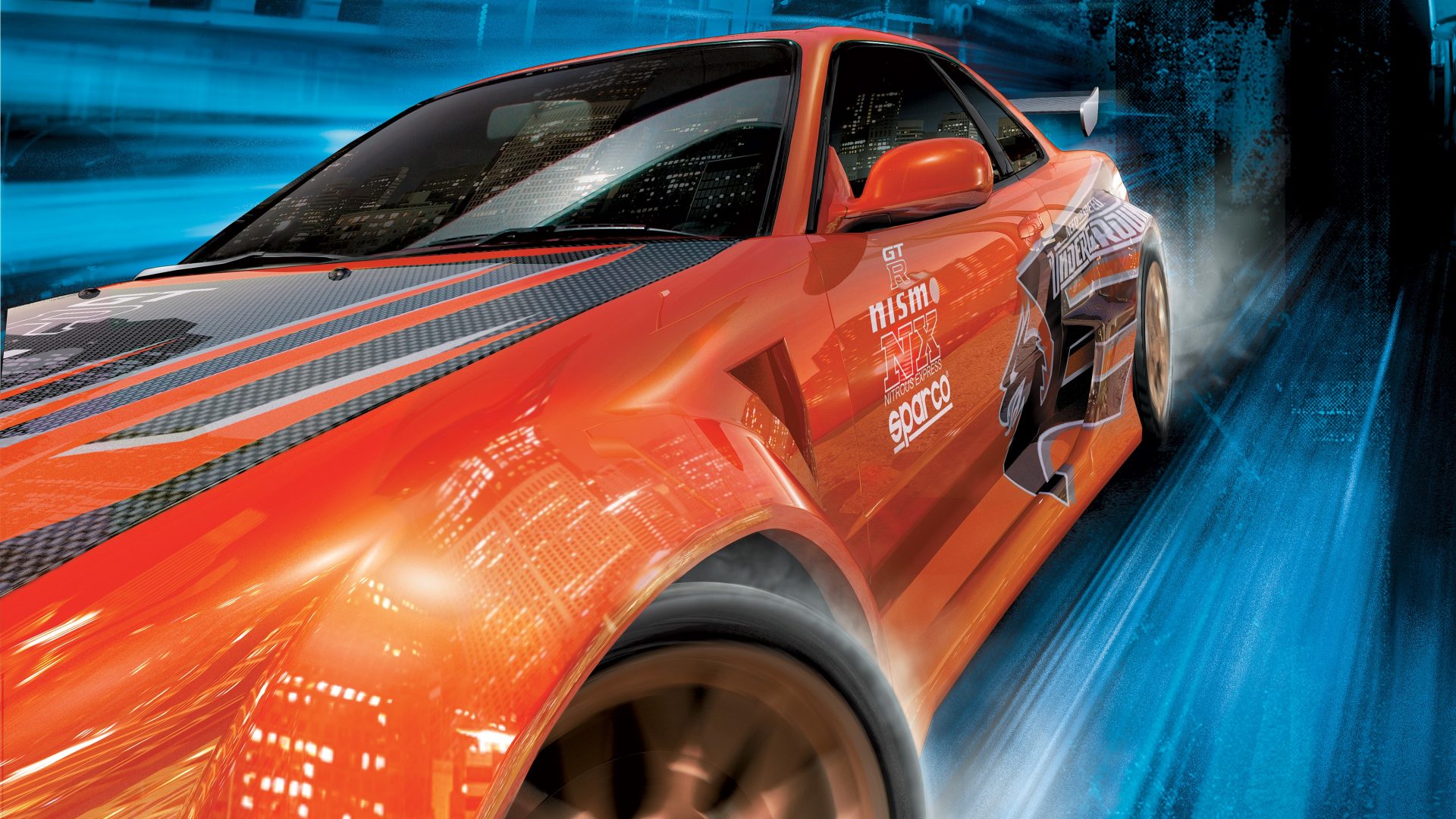
Need for Speed: Underground stands as a pivotal entry in the long-running racing franchise, developed by EA Black Box and released on November 17, 2003. Marking a bold creative pivot for the series, this seventh installment abandoned the traditional exotic supercar and sports car focus of its predecessors to dive headfirst into the gritty import car scene. By shifting the spotlight to modified everyday vehicles and underground street culture, it successfully rebooted the franchise and established a new identity that resonated with players worldwide.
Genre and Gameplay Mechanics
Categorized as an arcade racing title, Need for Speed: Underground emphasizes fast-paced nighttime street competition over realistic simulation. The core loop revolves around competing in circuit, drag, and drift events across a sprawling urban environment. What truly sets the gameplay apart is its deeply integrated progression system. Players earn cash and reputation through races to unlock a massive array of brand-name performance and visual upgrades from real-world tuning companies like AEM, Enkei, and HKS. The flexible customization mode allows for thousands of unique vehicle combinations, making car modification the centerpiece of the experience. Progression is structured around a career mode containing 111 distinct objectives, ensuring a lengthy and rewarding single-player journey.
Story and Setting
For the first time in the series, Underground introduces a comprehensive storyline woven directly into the career mode. The action unfolds in Olympic City, a fictional metropolis inspired by the architectural and cultural vibes of Seattle, New York, and Los Angeles. The player begins as an unknown driver and is quickly recruited by a contact named Samantha, who guides them through the city’s illegal street racing circuit. Along the way, racers like Jose, Klutch, and Dirt offer specialized event types, while mechanic T.J. provides performance upgrades tied to time trial challenges. The narrative captures the atmosphere of the import scene, blending style-focused progression with the thrill of competing to become the city’s top underground racer.
Platform Availability
Upon its initial launch in November 2003, the game was made available across several major consoles and personal computers. Players could experience it on PC, Xbox, PlayStation 2, and GameCube. The franchise also expanded to other hardware, with a Game Boy Advance version arriving later that winter and an arcade cabinet release following in 2005. This broad multi-platform release helped cement its status as a widely accessible racing title.
Notable Features
- Deep Customization System: Over 20 base vehicles paired with extensive performance and aesthetic modifications from licensed real-world brands.
- First Career Mode: A structured 111-objective storyline that ties progression directly to car modification and racing rewards.
- Atmospheric Presentation: Utilizes THX technology for enhanced audio, paired with a distinct nighttime neon aesthetic that defines the import culture vibe.
- Critical & Commercial Success: Achieved a Metacritic score of 82.00 and sold approximately 15 million copies, directly inspiring a sequel and influencing the series' future direction.
Who It Appeals To
This title is specifically crafted for fans of arcade racing, car modification enthusiasts, and players who prefer stylized, fast-paced competition over realistic driving physics. It resonates strongly with those who enjoy deep progression systems, urban street racing culture, and games that prioritize vehicle personalization. Whether revisiting a classic or discovering it for the first time, the game remains a defining entry for anyone who appreciates how customization and racing can merge into a cohesive, culturally rich experience.