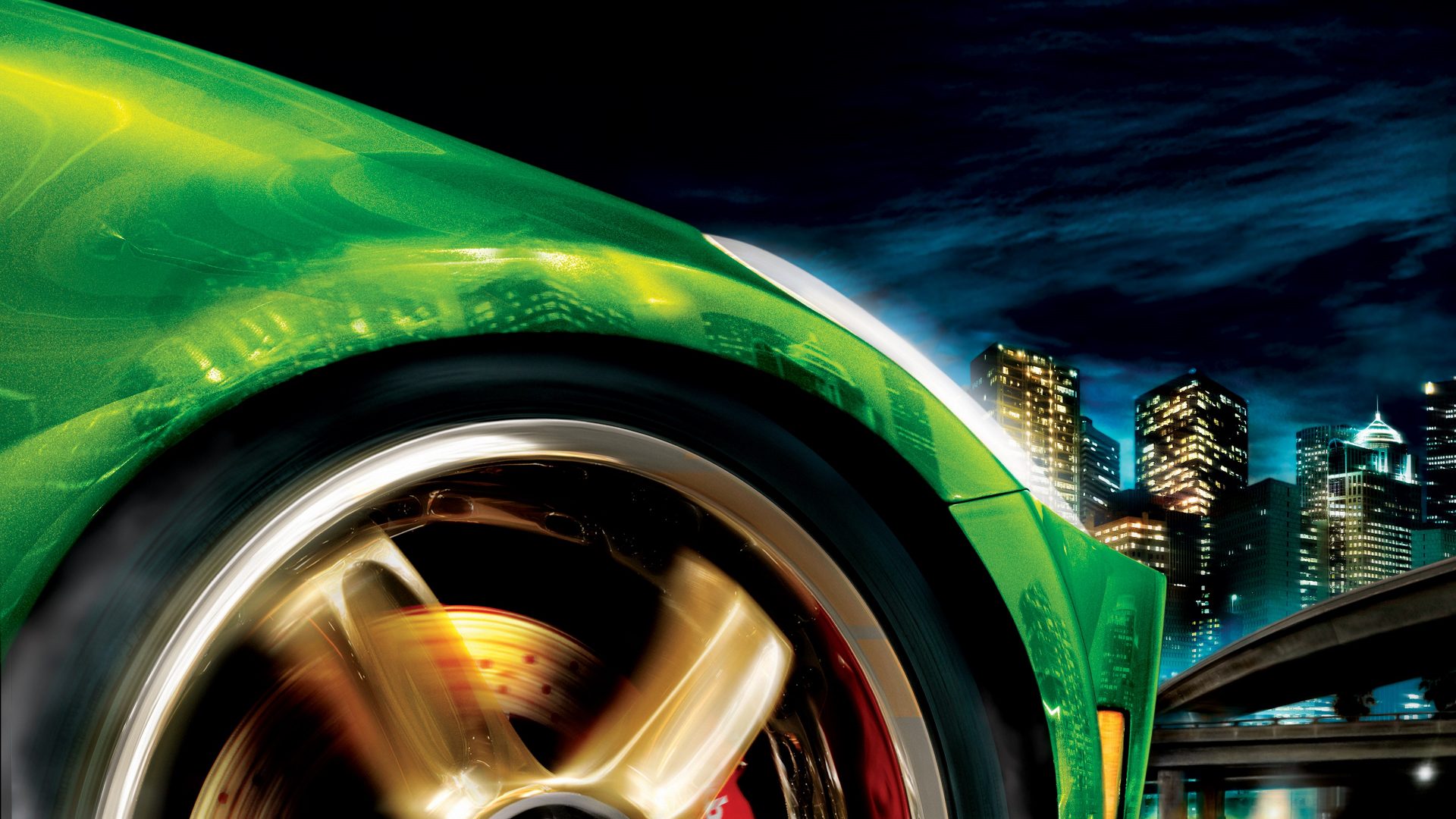
Overview
Released on November 15, 2004, Need for Speed: Underground 2 stands as a defining entry in the arcade racing genre. Developed and published by Electronic Arts, this cross-platform title expanded the series' iconic formula by blending high-speed street racing with unprecedented vehicle customization. Originally available on PC, PlayStation 2, Xbox, Nintendo DS, and GameCube, the game built upon the success of its predecessor by introducing a sprawling open-world environment and deeper mechanical systems. With a Metacritic score of 82.00 reflecting its critical reception, it remains a benchmark for early 2000s arcade racers.
Gameplay and Core Mechanics
At its heart, the game revolves around the underground tuning culture. Players do not just race; they meticulously modify their vehicles with a broad customization suite that extends far beyond performance upgrades. The visual rating system ties directly to progression, meaning the aesthetic choices you make can unlock sponsorships, magazine features, and exclusive events. Racing structures include circuit tracks, sprint courses, and closed-loop competitions, alongside specialized events like drag and drift challenges where judges evaluate speed, distance, and technique. Navigation is streamlined through a built-in Satellite Messaging System and GPS, allowing players to track objectives, communicate with contacts, and navigate the expansive map without getting lost.
Story and Setting
The narrative picks up months after the events of the first game. After a career-defining incident leaves your vehicle in ruins, you awaken in a new location and are introduced to Rachel Teller, whose voice is brought to life by Brooke Burke. Rachel serves as your primary guide, lending you a temporary car as you settle into your new life. The game shifts away from linear race selection, introducing an explore mode that lets players roam freely through Bayview. This fictional metropolis is a composite of real-world locations, with its City Center inspired by Philadelphia, Beacon Hill drawing from Beverly Hills, and Coal Harbor modeled after Camden, New Jersey. Bayview itself acts as a microcosm of the American West Coast, offering diverse districts to discover at your own pace.
Need for Speed: Underground 2: Notable Features and Audience Appeal
Several standout mechanics differentiate this installment from other racing titles. The introduction of fully customizable SUVs expanded the vehicle roster, allowing players to take on new rival crews. Platform-specific enhancements added unique layers to the experience, such as the Nintendo DS version featuring a custom decal design tool, while the PlayStation Portable port adapted the formula for handheld play. The career mode rewards creativity and exploration, encouraging players to balance performance tuning with aesthetic flair to attract sponsors and build their street racing legacy. The game also features a gradual difficulty curve, ensuring that newcomers can enjoy the arcade-style handling while seasoned players tackle increasingly demanding circuits and specialized events.
The title appeals strongly to fans of arcade racers who value player expression over hyper-realistic simulation. Its blend of open-world exploration, deep visual customization, and accessible yet challenging race structures makes it a compelling choice for players who enjoy progression systems and creative freedom. Whether you are a longtime series veteran or new to underground racing culture, the game delivers a polished, style-forward experience that captures the essence of street racing at its peak.