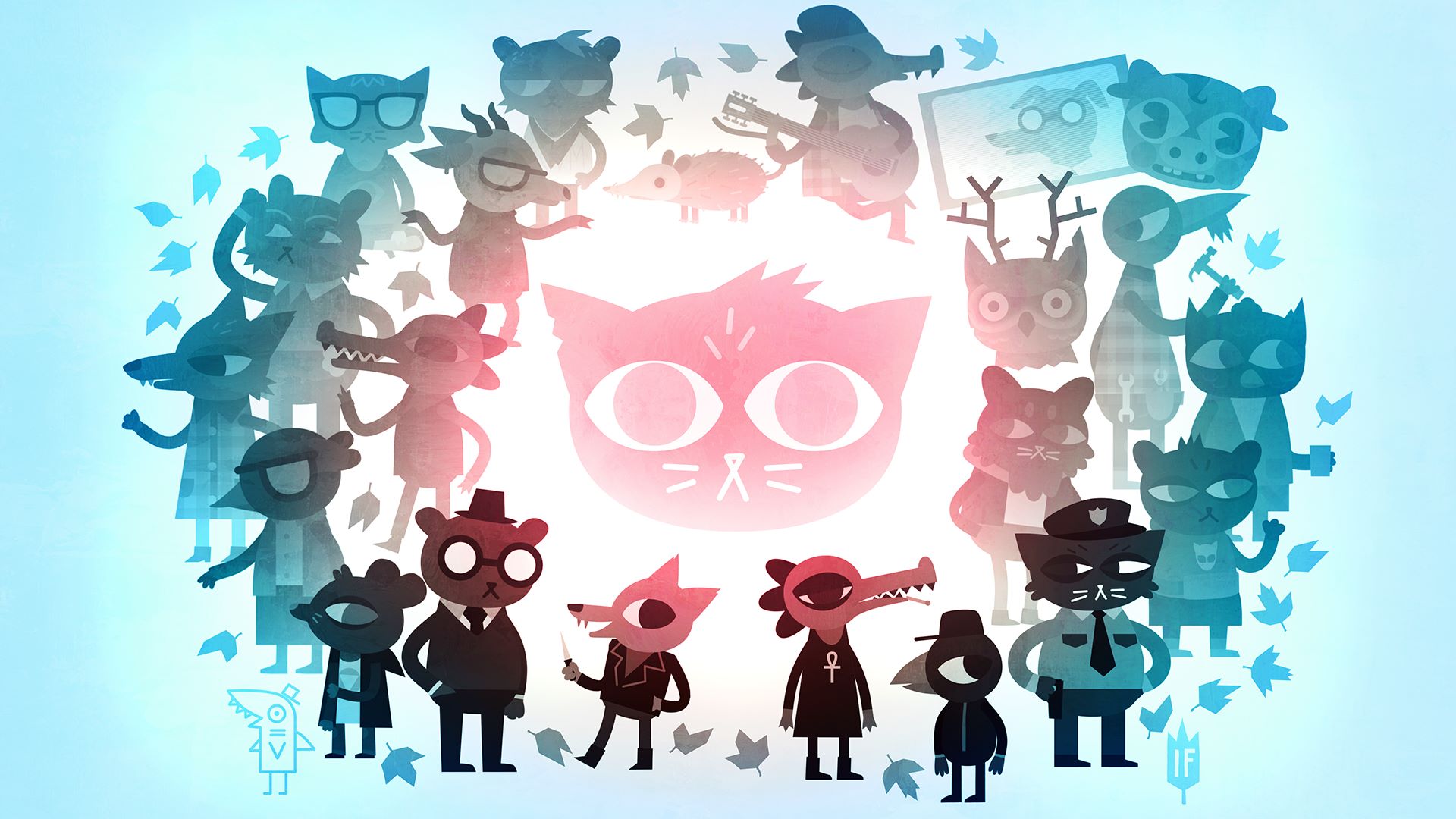
Developed by Infinite Fall, Night in the Woods is an evocative adventure game that prioritizes narrative depth and atmospheric world-building over complex mechanical challenges. Set within a universe of anthropomorphic animals, the game explores heavy themes such as mental health, socioeconomic hardship, and the daunting transition into adulthood. Since its release in February 2017, it has garnered critical acclaim, evidenced by a notable Metacritic score of 88.00.
A Journey Through Possum Springs
The story follows Mae Borowski, a 20-year-old cat and college dropout who returns to her childhood home of Possum Springs. Mae's return is fueled by a sense of uncertainty; having left her studies behind, she finds herself adrift and struggling with a dissociative disorder that affects how she perceives the world around her. As she attempts to reconnect with her old friends—including her childhood best friend Gregg and his boyfriend Angus—she discovers that the town she once knew has changed significantly.
Possum Springs is depicted as an economically-strapped, rust-belt environment where local businesses are shuttering and residents are forced to settle for dwindling career options. Amidst this backdrop of nostalgia and decay, a sense of unease begins to permeate the town. Rumors of strange occurrences in the nearby forest prompt Mae and her circle of friends to investigate, leading to a deeper exploration of the secrets lurking within their community.
Gameplay Mechanics and Exploration
Night in the Woods is a story-first experience that leans heavily into the "walking simulator" tradition. The gameplay focuses on exploration, interaction, and dialogue rather than traditional puzzles or combat. Players navigate the autumnal streets of Possum Springs, utilizing basic movement mechanics such as running and jumping to traverse the environment.
Key gameplay elements include:
- Exploration: Wandering through the town to see, touch, and interact with various objects and landmarks. Conversations: Engaging with a diverse cast of characters, from the front-porch poet Selmers to the distant Bea.
- Branching Dialogue: Choosing response lines for Mae that can influence the direction of the story, even if changes to the overarching plot remain subtle.
- World-Building: Using environmental interactions to gain context about the socioeconomic struggles and political undertones affecting the residents.
Who is this game for?
This title is ideal for players who value "stream of consciousness" storytelling and character-driven narratives. If you enjoy games that function as interactive literature—focusing on emotional resonance, heavy themes, and beautifully executed visuals—Night in the Woods will likely resonate with you. However, those seeking high-octane action or intricate mechanical puzzles may find the gameplay lightweight.
Platform Availability
Players can experience the story of Mae Borowski on a wide variety of platforms, including:
- PC
- Xbox One
- PlayStation 4
- Nintendo Switch
- iOS