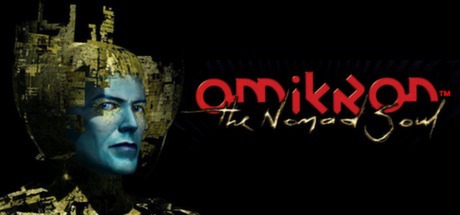
Before Quantic Dream established itself as a titan of cinematic storytelling with heavyweights like Heavy Rain and Detroit: Become Human, the studio released an ambitious, genre-defying experiment known as Omikron: The Nomad Soul. This title stands as one of the most daring attempts in interactive storytelling history, blending disparate gameplay mechanics into a single, hauntingly atmospheric experience that pushes the boundaries of traditional RPG and adventure design.
The narrative begins with a desperate plea from a parallel universe. When the mysterious character Kay’l 669 enters our reality seeking urgent help to save their dying world, the player is thrust into a cosmic struggle. As a "nomad soul," you possess the unique ability to traverse the boundaries between dimensions, entering the dark, futuristic, and post-industrial cityscape of Omikron on the planet Phaenon. The story follows an investigation into a series of serial killings that eventually unravels a supernatural truth involving ancient demons led by the prince Astaroth.
The Experimental Mechanics of Omikron: The Nomad Soul
The gameplay is defined by its unique "Virtual Reincarnation" concept. This mechanic allows your soul to transfer between different bodies, fundamentally altering how you interact with the environment and approach challenges. Because the player can inhabit more than forty different non-player characters (NPCs), no two playthroughs feel exactly the same. This ability to jump from body to body creates a deeply layered experience where investigation and survival depend on which character you currently possess.
The game transitions through several distinct playstyles and perspectives, making it difficult to pin down to a single genre:
- Third-Person Adventure: A significant portion of the game focuses on navigating the 3D environment of Omikron City. Players can explore using elevators or specialized vehicles known as "Sliders," investigating clues and engaging in deep, character-driven dialogue sequences.
- Side-On Combat: In certain encounters, the perspective shifts to a side-on view where players engage in unarmed combat, utilizing punches, kicks, and special moves.
- First-Person Shooter: The game incorporates intense first-person shooting sequences for armed combat, though these segments are noted for their high level of difficulty.
Beyond movement and combat, the game features intricate resource management. Players must monitor energy levels—which can be replenished with food, drinks, or special potions—and mana levels to facilitate spellcasting. Even environmental navigation presents challenges, such as managing oxygen during swimming sequences.
A Cult Classic Legacy
While modern players may find the controls unintuitive and face technical hurdles when attempting to run the game on contemporary PC hardware, the sheer ambition of Omikron: The Nomad Soul remains undeniable. It serves as a fascinating window into the early creative mind of director David Cage. The experience is further elevated by an iconic soundtrack featuring ten original songs produced by David Bowie alongside Reeves Gabrels, contributing to the game's otherworldly atmosphere.
Originally released for Microsoft Windows in 1999 and later for the Dreamcast in 2000, this title appeals to fans of experimental narrative adventures, cult classics, and anyone interested in the evolution of Quantic Dream. It is a must-experience for those who appreciate games that prioritize bold, boundary-pushing ideas over traditional polished conventions.