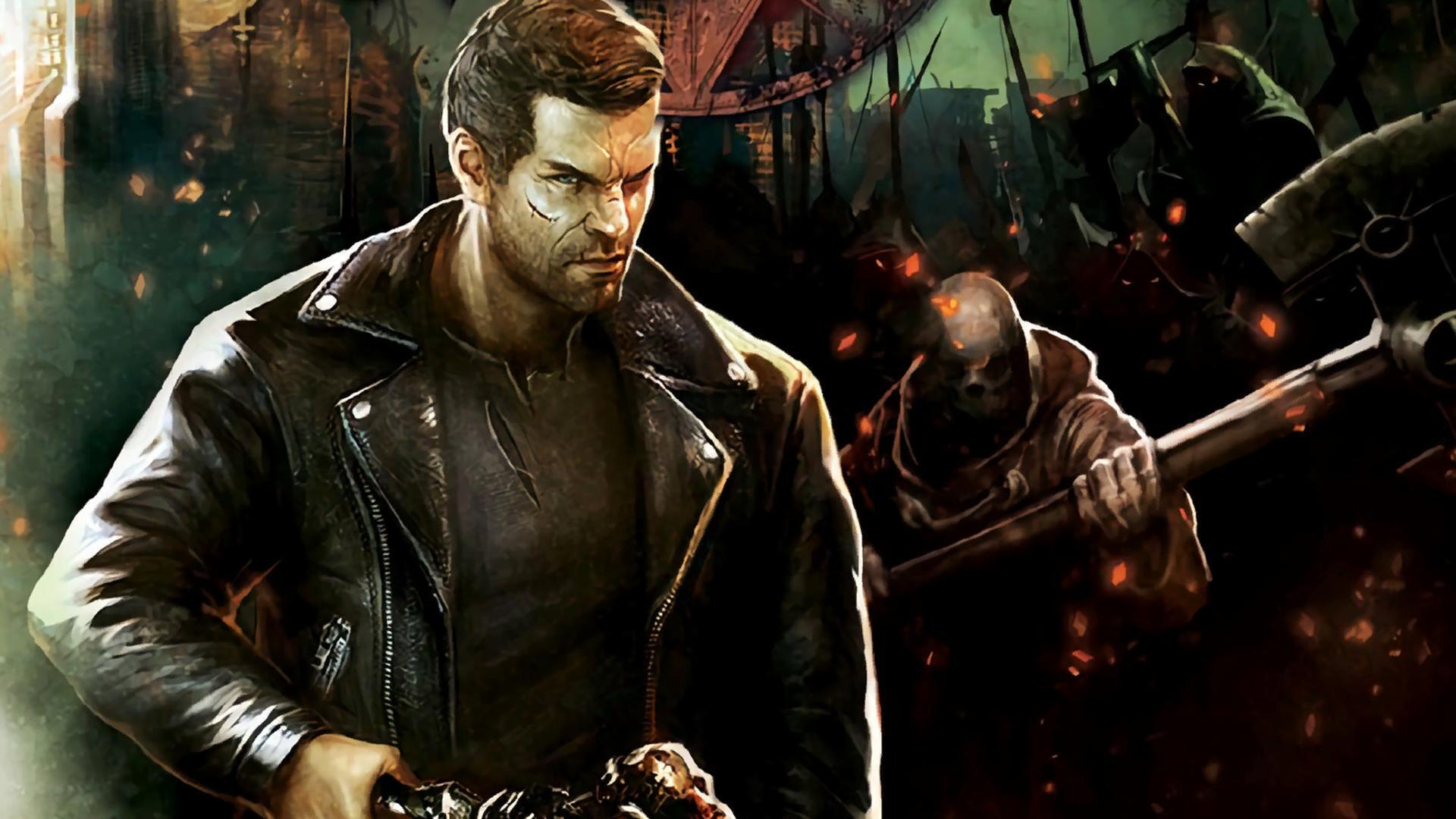
Overview of Painkiller Hell & Damnation
Painkiller Hell & Damnation stands as a high-octane return to the roots of the classic first-person shooter genre. Released on October 31, 2012, this title serves as both a remake of the original Painkiller and a continuation of its core events. Developed by The Farm 51, a studio comprised of former Painkiller developers, the game strips away the complex expansions of the past to focus purely on relentless, unapologetic combat. It delivers a visceral, fast-paced experience that prioritizes satisfying firepower and chaotic enemy encounters over intricate mechanics or lengthy narratives. For players seeking a nostalgic yet polished run-and-gun adventure, this entry successfully captures the chaotic energy that defined early 2000s shooter design.
Genre and Gameplay Mechanics
Categorized firmly as an action shooter, the game emphasizes speed, agility, and overwhelming firepower. The gameplay revolves around a streamlined run-and-gun loop that heavily nods to FPS classics like Doom, Blood, and Duke Nukem 3D. Players navigate through thirteen distinct levels, each featuring unique landscapes and hordes of demonic enemies. The core mechanics include responsive controls that facilitate ultra-fast movement, signature bunny-hopping traversal, and a vast arsenal of twisted weapons designed for maximum dismemberment. Beyond the standard gunplay, the game reintroduces franchise staples such as demon morphs and collectible cards that unlock bonuses. The difficulty and balance have been tweaked from the original, offering a more polished but equally punishing challenge that rewards aggressive playstyles.
Story and Setting
The narrative picks up after the events of the Battle Out of Hell expansion, deliberately ignoring the intervening sequels to maintain a focused storyline. Daniel Garner, the series protagonist, finds himself trapped in a hellish purgatory following a fatal car accident. His torment is interrupted when Death herself approaches him with a dark proposition: collect 7,000 souls to pay off a cosmic debt, and she will reunite him with his deceased wife, Catherine. This pact sets the stage for a journey through Purgatory, where demonic powers manifest as countless dark creatures fighting over the fate of imprisoned souls. The story introduces returning characters like Eve, whose relationship with Daniel remains strained, and frames the relentless violence as a means to an end. While the plot is primarily designed to serve as a vehicle for the action rather than a deeply explored tale, it effectively establishes the grim, supernatural backdrop for the carnage.
Platform Availability and Notable Features of Painkiller Hell & Damnation
The title launched on October 31, 2012, and is available across a wide range of platforms, including PC, macOS, Linux, Xbox 360, and PlayStation 3. The game is notable for its comprehensive visual overhaul, which freshens up the original game's locales with modern lighting and detailed textures while retaining the classic level layouts. Key features include a fully integrated cooperative campaign mode, allowing two players to team up with a new female companion, and a robust multiplayer suite supporting up to eight players. The multiplayer selection includes survival and deathmatch modes, ensuring extended replayability beyond the single-player experience. Despite its shorter campaign length, the game compensates with highly polished mechanics and a faithful recreation of the series' signature chaotic combat.
- Complete visual and technical overhaul of original environments
- Two-player co-op campaign with a new female playable character
- Multiplayer suite featuring survival and deathmatch modes for up to eight players
- Signature franchise mechanics including demon morphs and collectible card systems
Who It Appeals To
This title is specifically crafted for fans of old-school, arcade-style shooters who value speed and visceral combat over complex storytelling or survival mechanics. Players who enjoyed the unadulterated action of early FPS games will appreciate the responsive controls, brutal weapon feedback, and relentless enemy swarms. It also appeals to veteran series followers looking for a polished reintroduction to the Painkiller universe, as well as co-op enthusiasts seeking a straightforward, action-packed multiplayer experience. While newcomers to the franchise may find the lack of modern narrative depth or tutorialization challenging, those who embrace its uncompromising, adrenaline-fueled design will find it to be a highly satisfying throwback to a golden era of gaming.