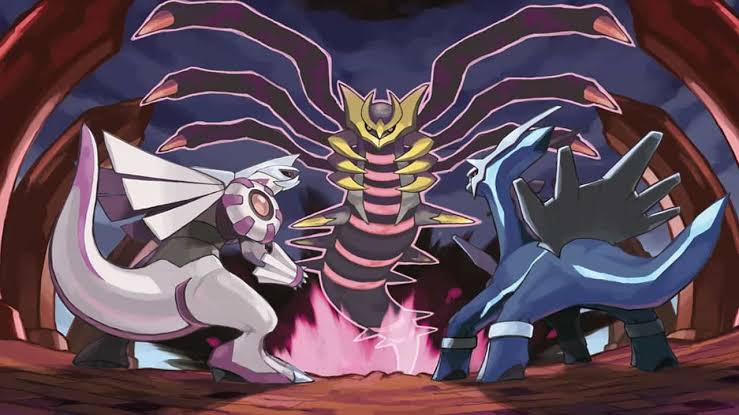
Pokémon Diamond and Pokémon Pearl stand as a defining entry in the long-running franchise, originally released for the Nintendo DS on April 22, 2007. Blending traditional RPG mechanics with the beloved adventure structure fans know well, these titles transport players to the uncharted Sinnoh region. Developed by Game Freak and published by Nintendo alongside The Pokémon Company, the games challenge players to explore a vast new landscape, catch over one hundred new Pokémon, and master strategic turn-based battles. With a Metacritic score of 85.00, the release marked a significant step forward in visual presentation and gameplay polish while staying true to its roots.
Core Gameplay and Mechanics
At its heart, the experience remains a deeply engaging RPG adventure built around exploration, collection, and combat. Players navigate a map filled with diverse routes, caves, and towns, encountering wild creatures to capture and train. The turn-based battle system requires careful type management and strategic team building, while the game's internal real-time clock ensures the environment shifts between day and night, affecting which Pokémon appear in the wild. Graphics take a noticeable leap forward by blending classic 2D character sprites with fully 3D environments and buildings. This hybrid approach creates dynamic perspectives for exploration and introduces highly detailed, flashy attack animations that bring combat to life. Trainer and Pokémon sprites outside of battle are larger and more intricate, while in-battle animations provide a fresh visual flair.
Story and Setting
The narrative unfolds across the Sinnoh region, beginning in the quiet Twinleaf Town. After investigating a disturbance at a nearby lake, players meet Professor Rowan, who grants them a starter Pokémon—chosen from a classic trio of fire, water, and grass types—for self-defense and future battles. From there, the journey follows a familiar yet compelling structure: collecting eight gym badges, challenging the Elite Four, and ultimately claiming the title of Pokémon League Champion. Along the way, players must also thwart a mysterious villain group whose plans threaten the region's balance. While the plot prioritizes adventure over complex storytelling, the localization delivers solid dialogue with amusing NPC interactions that keep the world feeling alive. Newcomers to the franchise will find an accessible entry point, while veterans will recognize the same satisfying loop of progression and discovery.
Key Features of Pokémon Diamond and Pokémon Pearl
- Introduction of new Pokémon species, including Lucario, Mime Jr., Munchlax, and Weavile.
- Enhanced graphical presentation that merges 2D sprites with 3D environments and dynamic attack animations.
- Real-time clock system that alters in-game weather, Pokémon encounters, and daily schedules.
- Deep strategic combat requiring players to build balanced teams and exploit type advantages.
- Offline-friendly design that continues to offer a complete experience despite the retirement of the Nintendo Wi-Fi Connection service in 2014.
Platform Availability and Target Audience
Pokémon Diamond and Pokémon Pearl were designed exclusively for the Nintendo DS, taking full advantage of the handheld's dual screens and wireless capabilities during its era. While online connectivity features are no longer available, the offline gameplay remains fully intact and highly replayable. The game is rated E for Everyone and caters primarily to grade-school children and families who enjoy classic RPG mechanics. Its straightforward objectives, clear progression paths, and monster-collecting focus make it an ideal entry point for younger players, while its strategic depth and nostalgic charm continue to appeal to longtime fans. Whether exploring the Sinnoh region for the first time or revisiting it with a modern perspective, the adventure delivers a polished and enduring handheld RPG experience.