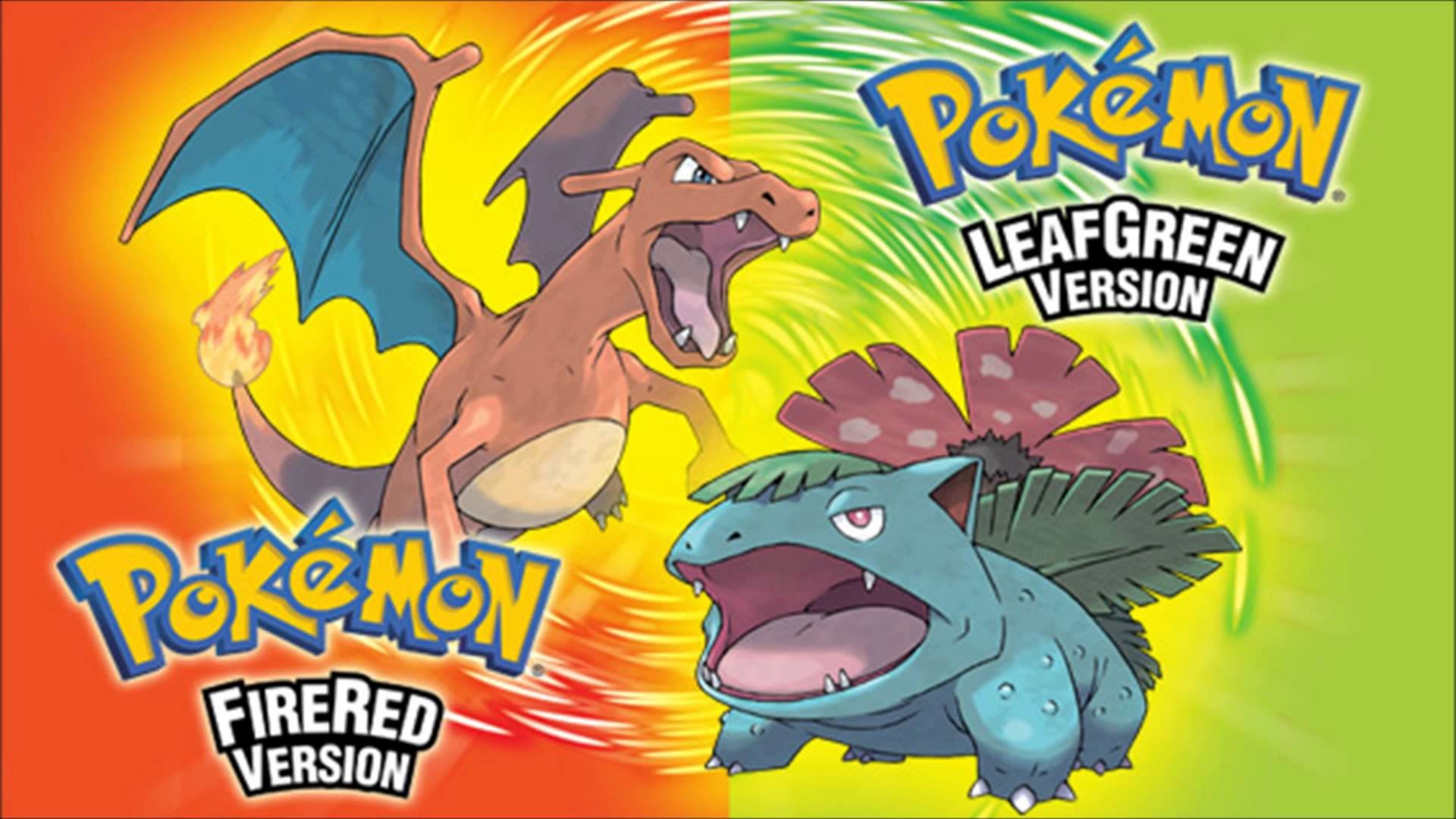
Pokémon FireRed and LeafGreen stand as landmark entries in the long-running role-playing franchise, originally launching for the Game Boy Advance in January 2004. Developed by Game Freak and published by The Pokémon Company, these enhanced remakes transformed the classic 1996 Pokémon Red and Blue experiences into a more refined format. While the original titles were commercial successes, FireRed and LeafGreen hold the distinction of being the franchise’s first enhanced remakes, ultimately selling around 12 million copies worldwide. With an aggregate Metacritic score of 81.00, the games successfully modernized the traditional formula while maintaining the core identity that made the series iconic.
Genre and Core Gameplay Mechanics
Falling squarely into the strategy and role-playing categories, the games utilize an overhead perspective where players navigate maps, explore diverse locations, and engage in turn-based combat. The foundation of the experience revolves around capturing and raising Pokémon, utilizing a strategic type-based battle system that functions much like a complex rock-paper-scissors mechanic. Players must carefully manage their team’s elemental advantages, as many Pokémon possess dual types that add tactical depth to every encounter. Beyond standard wild encounters, players face fixed-sequence trainer battles and must conquer eight distinct Gyms, each led by a Gym Leader specializing in specific elemental types.
Story and Setting Overview
The narrative follows the player character through a journey across the Kanto region, where the primary objective is to complete the Pokédex—a digital encyclopedia documenting every caught Pokémon. As the protagonist progresses, they traverse multiple dungeons, battle rival trainers, and ultimately challenge the Elite Four, a group of formidable trainers centered around Ice, Fighting, Ghost, and Dragon types. The climax features a confrontation with the final boss and reigning Pokémon Champion, who is also the player’s rival. Upon completing the main campaign, the story expands with post-game content that allows veterans and newcomers alike to continue exploring the region and refining their roster.
Platform Availability and Notable Features of Pokémon FireRed and LeafGreen
Originally released in Japan in January 2004, with North American and European launches following in September and October, the titles were distributed by Nintendo for the Game Boy Advance. They were notably compatible with the Game Boy Advance Wireless Adapter, which was bundled with the cartridges to facilitate multiplayer trading and battling. Later, Nintendo re-marketed the games as Player’s Choice titles due to their sustained popularity. In 2026, the experience was further expanded with releases for the Nintendo Switch and Switch 2, bringing the classic formula to modern hardware. Key additions during the original remake cycle included a contextual help menu and access to a new region, offering fresh exploration opportunities without alienating long-time fans.
- Wireless Adapter Compatibility: Bundled with the game to enable seamless trading and competitive battling.
- Contextual Help Menu: Streamlined the learning curve by providing real-time guidance on mechanics.
- Expanded Exploration: Introduced a new accessible region alongside the classic Kanto map.
- Modern Hardware Porting: Successfully adapted for Nintendo Switch and Switch 2 systems in 2026.
Who It Appeals To
Pokémon FireRed and LeafGreen primarily target strategy enthusiasts and role-playing fans who appreciate methodical team-building and tactical combat. The games strongly appeal to veterans of the original 1996 releases who value nostalgia, as well as newcomers seeking an accessible yet deeply strategic entry point into the series. Players who enjoy completing collection-based objectives, such as filling out the Pokédex, will find the trading mechanics and post-game dungeons highly rewarding. The blend of traditional turn-based mechanics, structured Gym progression, and expanded multiplayer support makes it a standout title for both solo strategists and competitive multiplayer participants.