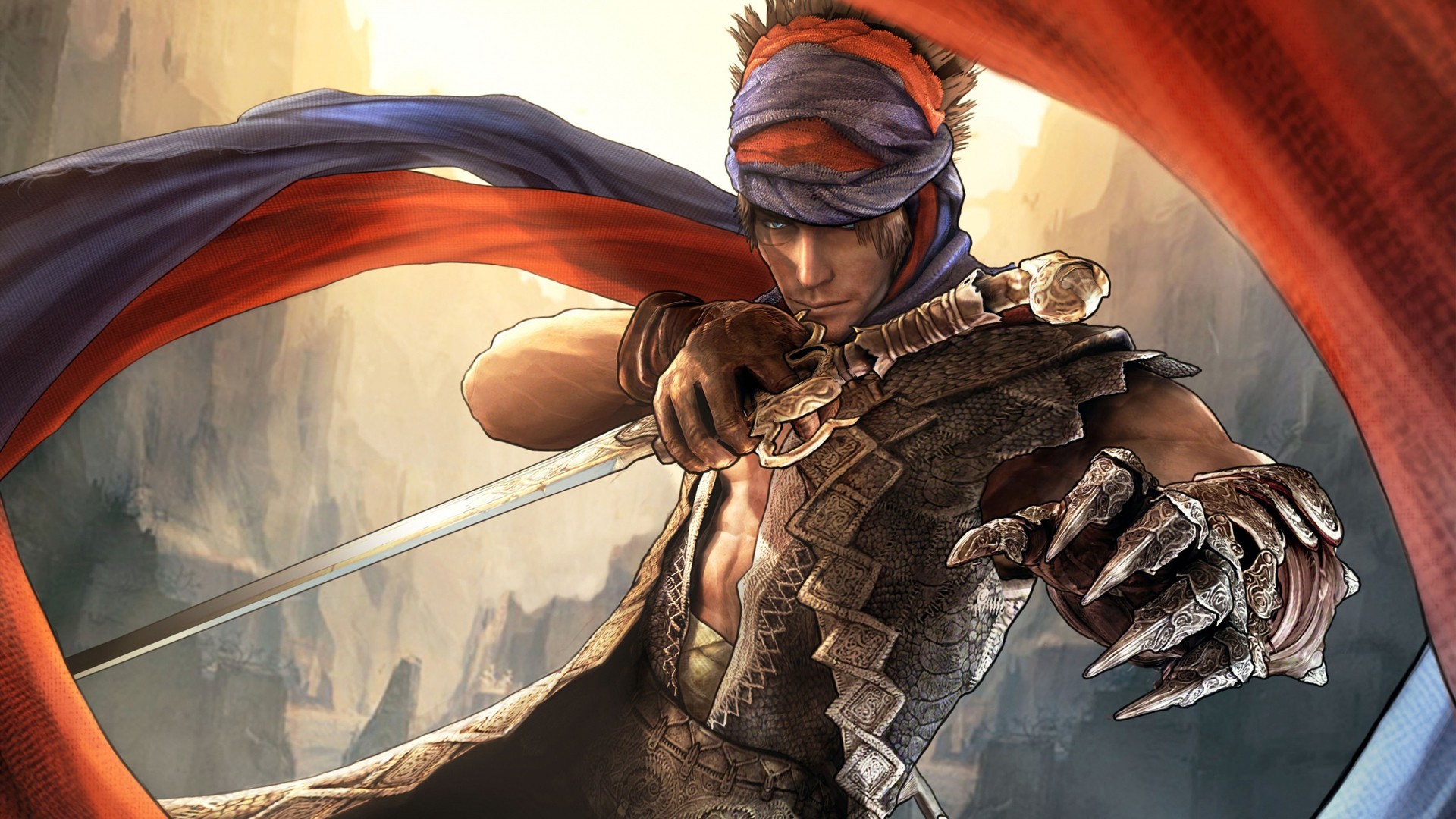
A Vibrant Reimagining: Prince of Persia (2008)
Released in December 2008, Prince of Persia (2008) marked a bold, experimental departure for one of gaming's most storied franchises. Moving away from the darker, more violent tones established in Warrior Within and The Two Thrones, this installment returned to the romantic fantasy roots seen in the Sands of Time era. Instead of a gritty warrior, players encounter a light-hearted, charismatic, and somewhat rogue-ish protagonist—a "magnificent bastard" of a tomb raider whose latest expedition has left him separated from his gold and his donkey.
A Story of Light and Corruption
The game's narrative begins with the Prince stumbling into the path of Elika, a young woman fleeing from pursuers. What starts as a simple act of heroism quickly escalates into a global catastrophe. When Elika’s father destroys a sacred seal within a temple, he inadvertently unleashes Ahriman, a god of darkness, upon the world. This release of dark energy triggers a "corruption"—a spreading, oily blight that twists the landscape and consumes everything in its path.
As the Prince and Elika journey together, they seek to undo this magical oil spill and restore light to the land. The relationship between the two is central to the experience; unlike many companion-based games where a partner might feel like a burden, Elika is an essential pillar of the gameplay, providing the magic necessary to combat the darkness and aid in traversal.
Gameplay Mechanics and Art Direction
While Prince of' Persia (2008) retains the series' signature wall-running and acrobatic platforming, it introduces significant changes to the combat and difficulty loop. The gameplay leans closer to a rhythmic experience, with a heavy focus on fluid movement through a beautiful, painterly world.
- Dynamic Partnership: Elika acts as your lifeline. She possesses the power to save the Prince from fatal falls or combat defeats, ensuring that the narrative journey remains continuous without the need for frequent respawn screens.
- Stunning Art Style: One of the game's most celebrated features is its visual direction. The world resembles a living watercolor painting, featuring breathtaking vistas and distinct, lush environments that make exploration a joy.
- Traversal-Focused Combat: While traditional combat is scaled back, the emphasis remains on agility, using the environment to navigate massive, vertical landscapes.
Who Should Play This Game?
This title is a "cult classic" that appeals to players who value atmosphere and art direction over high-difficulty combat. It is perfect for fans of cinematic adventure games like Ico or Bioshock Infinite, where the bond between characters drives the emotional weight of the story. While some long-time fans may find the simplified mechanics a departure from the series' roots, those looking for an engrossing, beautiful, and emotionally resonant fantasy epic will find much to love.
Technical Specifications
- Genre: Action / Adventure
- Platforms: PC, macOS, Xbox 360, PlayStation 3
- Metacritic Score: 82.00