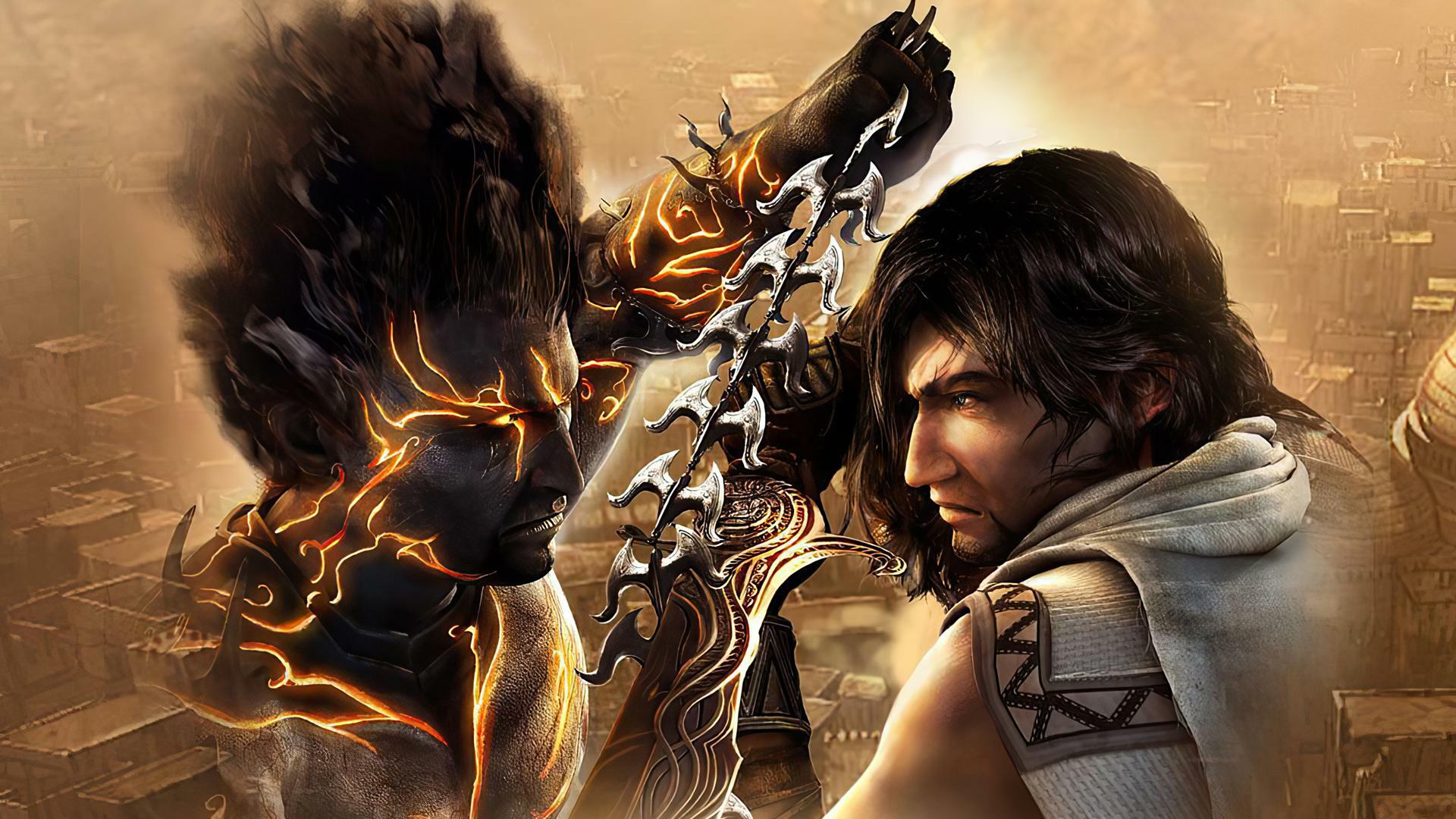
Prince of Persia: Rival Swords stands as a dynamic entry in the acclaimed action-adventure franchise, bringing the Babylonian hero’s final chapter to portable and motion-controlled platforms. Released in early 2007, this title adapts the narrative and mechanics of the console classic The Two Thrones while introducing platform-specific innovations. As a dual-platform release for the PSP and Wii, it offers players an intense blend of acrobatic traversal, strategic combat, and cinematic storytelling.
Genre and Gameplay Mechanics of Prince of Persia: Rival Swords
Firmly operating within the action-adventure genre, the game emphasizes fluid movement, environmental interaction, and real-time combat. The core gameplay loop revolves around navigating sprawling, vertically designed levels filled with ledges, poles, drapes, and chasms. Players utilize the Prince’s signature wall-running, swinging, and sliding mechanics to traverse the world seamlessly. Combat focuses on dual-wielding ancient blades, requiring precise timing and positioning to defeat waves of enemies. The experience also introduces unique finishing moves, such as the deadly Daggertail technique, which demands rapid controller movements to execute devastating strikes. Stealth-based takedowns and pulse-quickening chariot races further diversify the experience, ensuring that combat and exploration remain tightly interwoven.
Story and Setting Overview
The narrative picks up at the conclusion of the Sands of Time trilogy, thrusting the Prince back into the heart of Babylon. Rather than finding a restored kingdom, he arrives to discover the ancient city engulfed in flames and his ship destroyed along the coast. His primary objective quickly becomes rescuing Kaileena, the empress of time, who has been kidnapped during the chaos. As the Prince pushes deeper into the ruined metropolis, the sands of time are unleashed, triggering a dramatic transformation that splits his soul and manifests a darker, more ruthless alter ego. The story unfolds through a cinematic real-time engine, guided by the Prince’s reflective inner monologue. This narrative device allows players to grasp the tragic stakes and complex lore without interrupting the pacing of the action.
Platform Availability
Prince of Persia: Rival Swords was officially released on April 3, 2007, for both the PlayStation Portable and the Nintendo Wii. While the core experience remains consistent across both systems, each version includes platform-exclusive content and tailored control schemes. The PSP iteration was praised for its substantial handheld adaptations and functional multiplayer mode, whereas the Wii release capitalized on motion-sensing peripherals to reimagine the combat and traversal mechanics. Despite the technical constraints inherent to translating a console-heavy title to handheld and motion-controlled hardware, both versions successfully deliver the atmospheric Babylonian settings and fast-paced progression that define the franchise.
Notable Features
- Motion-Enhanced Combat: The Wii version utilizes the Nunchuk and remote to simulate weapon weight and directional strikes, allowing players to carve through enemies with the Daggertail or perform timed Speed Kills.
- Interactive World Design: Every environment is built as a playground, featuring interactive architectural elements that can be jumped across, swung from, or slid down at any moment.
- Atmospheric Presentation: A gripping Middle Eastern-inspired soundtrack and top-notch voice acting accompany the game’s dramatic cutscenes and real-time storytelling sequences.
- Exclusive Multiplayer & Content: Both ports introduce additional gameplay modes and exclusive sequences that expand upon the base campaign, offering varied ways to engage with the Prince’s arsenal.
Who It Appeals To
This title is best suited for fans of character-action games who value fluid platforming, environmental puzzle-solving, and narrative-driven quests. Players who enjoyed the Sands of Time trilogy will appreciate how Prince of Persia: Rival Swords wraps up the saga while refining the combat and traversal systems. Those who enjoy motion-controlled gameplay or handheld action adventures will also find a compelling experience in its responsive controls and tightly paced level design. While newcomers to the series might benefit from prior context, the game’s cinematic presentation and intuitive mechanics ensure that the journey through a besieged Babylon remains accessible and engaging.