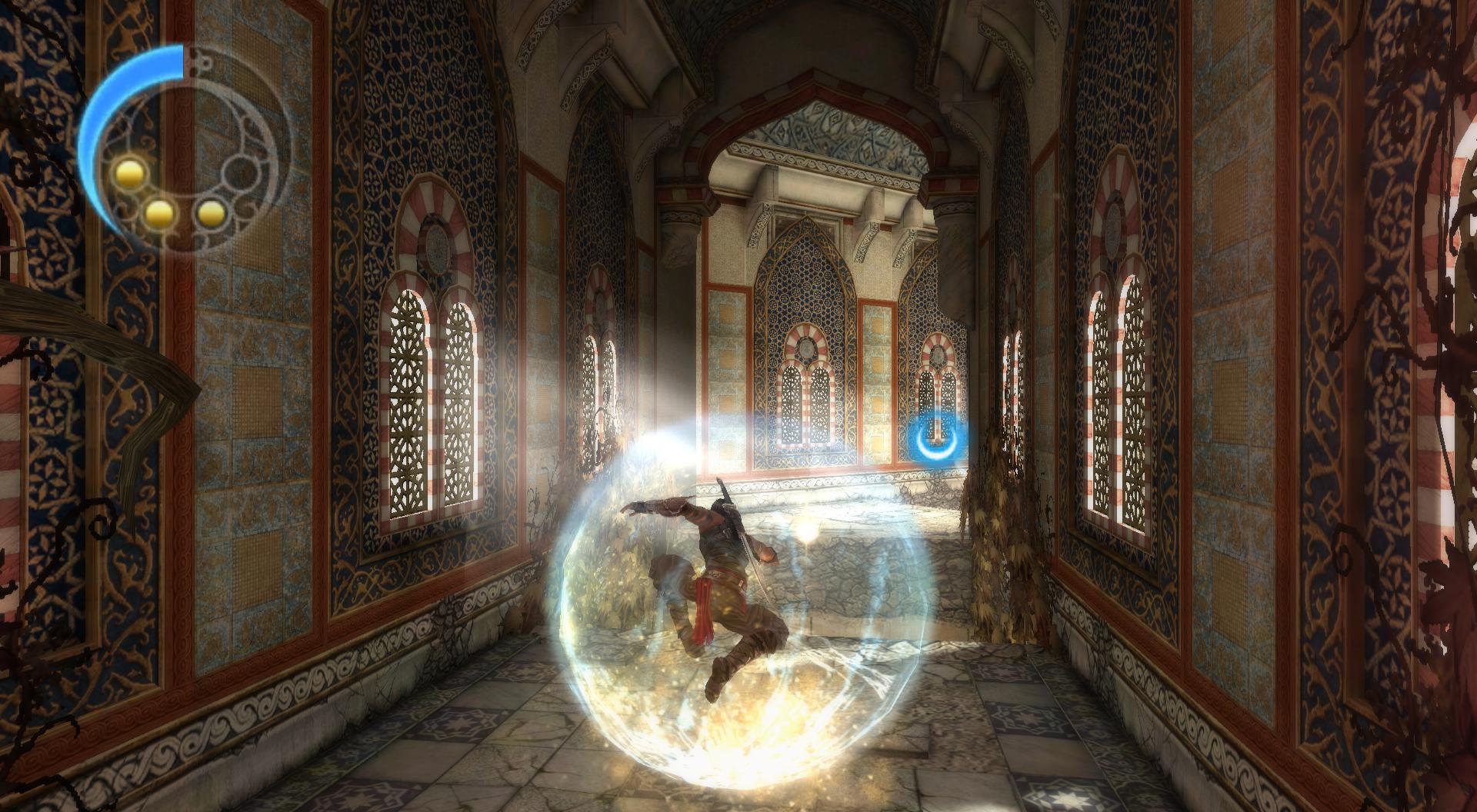
Prince of Persia: The Forgotten Sands (Wii)
Released for the Nintendo Wii on May 18, 2010, Prince of Persia: The Forgotten Sands stands as a distinct entry in the celebrated action-adventure franchise. Developed by Ubisoft Quebec, this version diverges significantly from its contemporaries by offering a completely independent storyline, unique environments, and gameplay mechanics specifically tailored to leverage the Wii motion-sensing hardware. As a third-person platformer built around acrobatic traversal and environmental puzzle-solving, the game invites players to navigate dizzying ruins and ancient landscapes while mastering a suite of creative pointer-controlled abilities. With a Metacritic score of 75.00, the title is recognized for its inventive design and strong production values, even as it balances the series traditional strengths with some gameplay compromises.
Story and Mythical Setting
Unlike previous entries that revolve around the Sands of Time, this installment follows the Prince as he flees the wrath of an encroaching sandstorm. Guided to safety by a genie named Zahra, he discovers the mythical kingdom of Izidahar, a forgotten realm constructed by a long-departed ancestral race. While exploring an oasis, the Prince uncovers a sword embedded in vines and inadvertently unleashes a dormant demonic force. To restore life to the dying kingdom, he must track down a mysterious beast, recover the broken hilt of the sword, and confront the corruption spreading across the land. The narrative carries the tone of an Arabian Nights tale, blending dry wit, seasoned traveler banter, and a sense of wonder that appeals to both longtime fans and newcomers to the series.
Acrobatic Gameplay and Wii Pointer Mechanics
At its core, the game delivers the series signature parkour-style platforming, requiring precise jumps, wall-runs, and environmental navigation through trap-laden ruins. The Wii version distinguishes itself by introducing three Creation Powers that utilize the console pointer controls:
- Spirit Hook: Allows the Prince to place rings on walls, creating climbing anchors and bridging dangerous gaps.
- Whirlwind: Functions as a ground-based elevator or free-standing ladder, launching the player upward to reach elevated platforms.
- Magic Sphere: Deploys midair to create a floating platform, acting as a safety net to prevent fatal falls.
These powers are introduced gradually, initially restricted to designated zones before becoming fully accessible for creative chain-combos. Combat relies on basic gesture controls and an upgrade system that rewards players with new moves through standard gameplay and Heroic Challenges. While the combat can feel sluggish and the camera occasionally struggles during fights, the platforming remains tight and rewarding. The game also supports local multiplayer, allowing a second player to assist by freezing enemies and traps or helping to reveal hidden secrets.
Notable Features and Production Values
Despite some criticism regarding its visual fidelity being comparable to earlier-generation consoles, the Wii version maintains a strong sense of scale and atmospheric art direction. Vast canyons, intricate vine networks, and organically designed ruins create an immersive backdrop that emphasizes the Prince acrobatic prowess. The soundtrack features Arabian-inspired melodies, though occasional audio glitches and heavy reliance on ambient environmental sounds may affect the overall auditory experience. Voice performances, led by Yuri Lowenthal as the Prince, bring charm and personality to the journey. The release also includes substantial bonus content, such as unlockable character skins, art galleries, developer diaries, bonus levels, and the original 1992 Prince of Persia game, adding significant value for collectors and series enthusiasts.
Who It Appeals To
Prince of Persia: The Forgotten Sands is best suited for players who appreciate precision platforming, environmental puzzle-solving, and motion-controlled gameplay experiments. Fans of the franchise will appreciate the fresh narrative direction and the return of the Prince signature acrobatic traversal, while newcomers can enjoy a self-contained experience that captures the essence of Arabian fantasy. Wii owners looking for a visually distinct action-platformer that embraces the console unique hardware will find this title to be a creative, if occasionally flawed, addition to their library.