Proteus is a unique and meditative indie adventure game that invites players to explore a dream-like island world. Released on January 30, 2013, it offers a gameplay experience that is as much about immersion and discovery as it is about storytelling. The game is played in first-person, with the player's primary interaction being their presence in the world and the way they observe it. There are no explicit goals, no quests, and no text—just an open world that reacts to your movements and encourages you to wander, discover, and reflect.
Gameplay and Mechanics
Proteus is designed to be a slow, contemplative experience. The game features procedurally generated islands that change with each playthrough, ensuring that no two sessions are ever the same. Players can explore tranquil valleys, ruins, and other surreal environments filled with creatures both real and imagined. The world reacts to the player’s presence, subtly changing the environment and the music in response to movement and discovery.
The game’s most notable feature is its dynamic soundtrack, composed by award-winning musician David Kanaga. The music shifts in tone and tempo based on the environment and time of day, creating an ever-changing auditory experience. Fans of ambient music and artists like Boards of Canada or Brian Eno will find the soundtrack particularly appealing.
Players can use the built-in "postcard" function to save and share screenshots of the world they discover, encoding the data in each image. This allows for a more personal and social interaction with the game’s ever-changing environments.
Visual Style and Themes
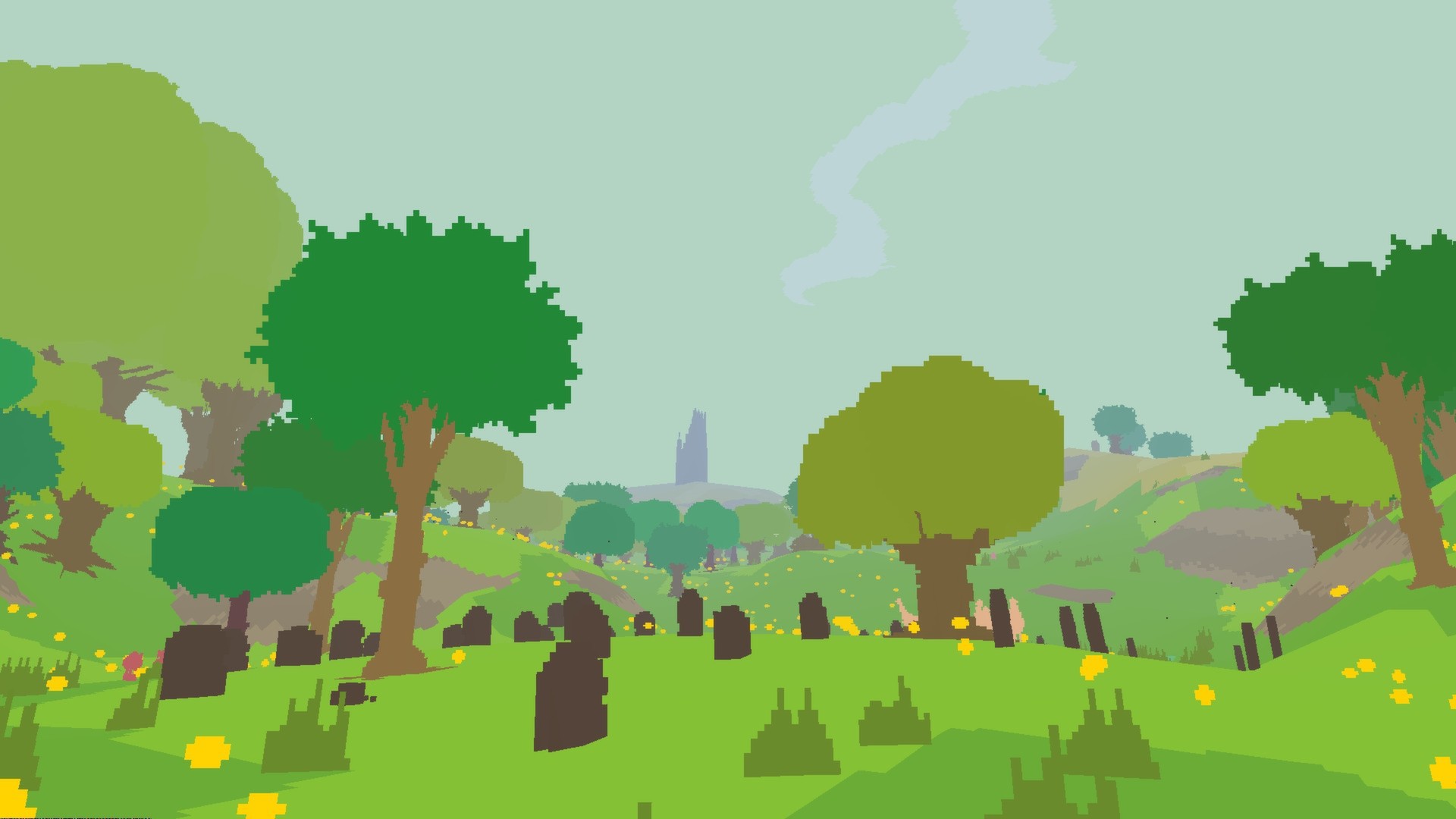
Proteus features a distinctive graphical style that blends 2D and 3D elements, with wild, shifting color palettes. The visual design is reminiscent of both 8-bit video games and early 20th-century modernist paintings, creating a surreal and artistic atmosphere. The game’s dream-like setting is further enhanced by dynamic weather changes and the slow passage of time, as the island transitions from day to night and back again.
Platforms and Availability
Proteus is available on multiple platforms, including PC, macOS, Linux, PlayStation 3, and PS Vita. While the PC and PlayStation 3 versions are generally praised for their visual quality and ease of control, the Vita version has received some criticism for its less intuitive movement mechanics.
Who Is Proteus For?
Proteus is ideal for players who enjoy slow, open-ended experiences and value immersion and exploration over structured gameplay. It appeals to fans of ambient music, indie games, and those who seek a more artistic and reflective approach to gaming. The lack of explicit objectives may not suit everyone, but for those who appreciate the beauty of a procedurally generated world and the subtle interplay between sound and environment, Proteus is a must-play.
With a Metacritic score of 80.00, Proteus has been well-received for its unique approach to game design and its ability to evoke a sense of wonder and curiosity. It stands as a testament to the evolving definition of what a game can be, offering an experience that is as much about the journey as it is about the destination.